
Construction
Authority Sources
Member of
Description
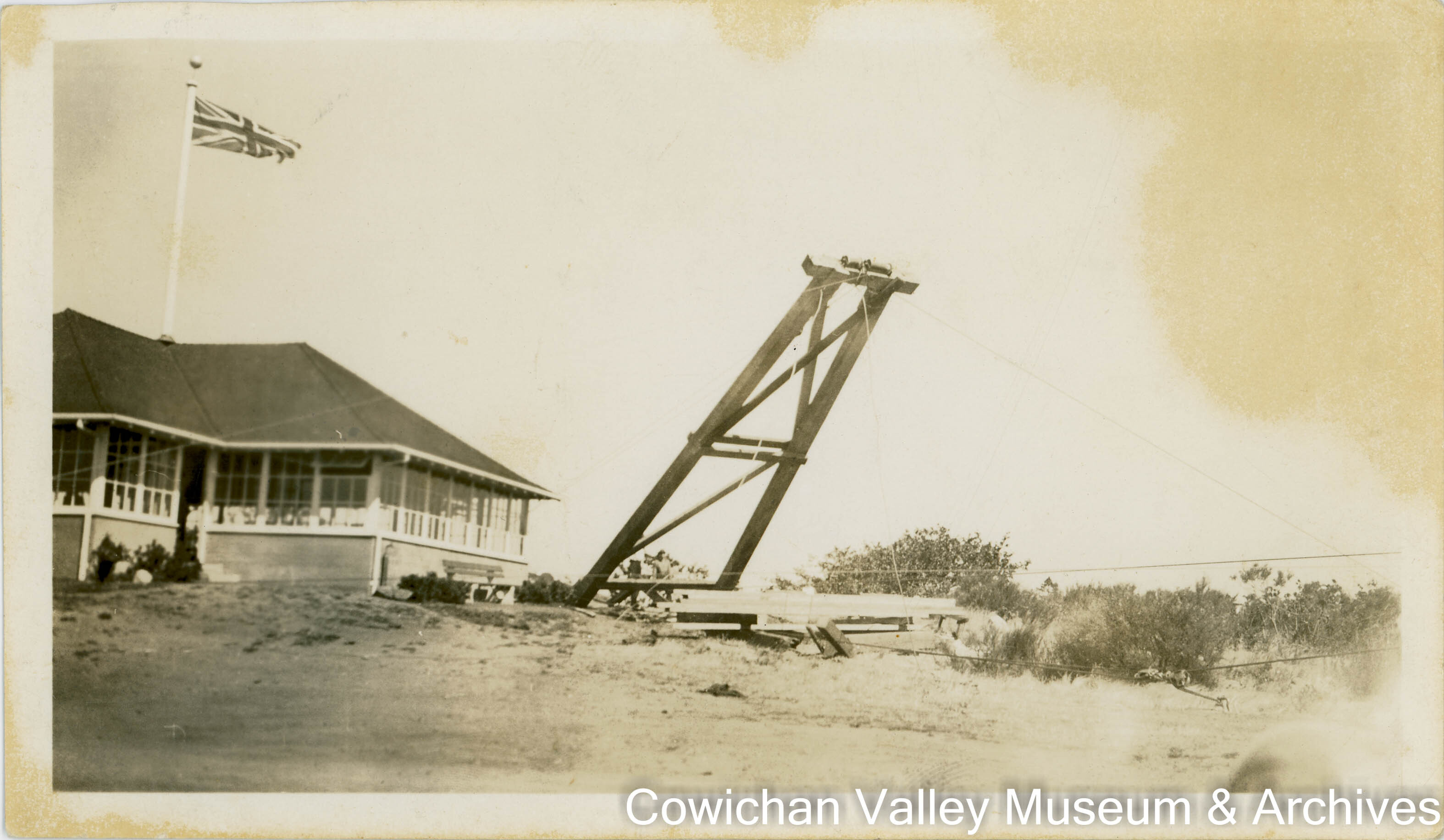
Image of a flagpole being installed at Beacon Hill Park. This flagpole was donated by the Mayo Lumber Co.
Member of
Description
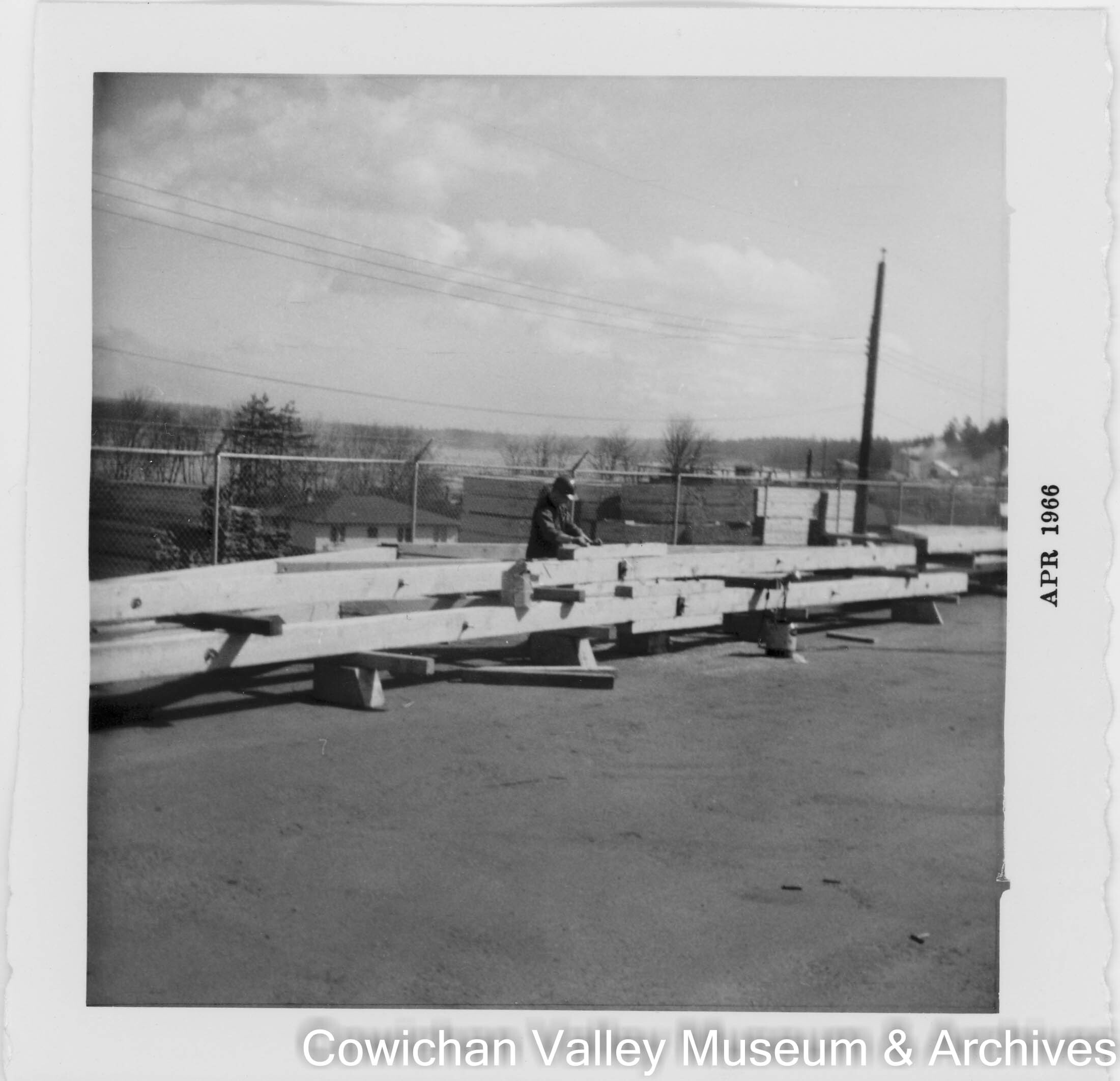
Image of a worker constructing a structure out of lumber at the Mayo Lumber Co. sawmill in Nanaimo.
Member of
Description
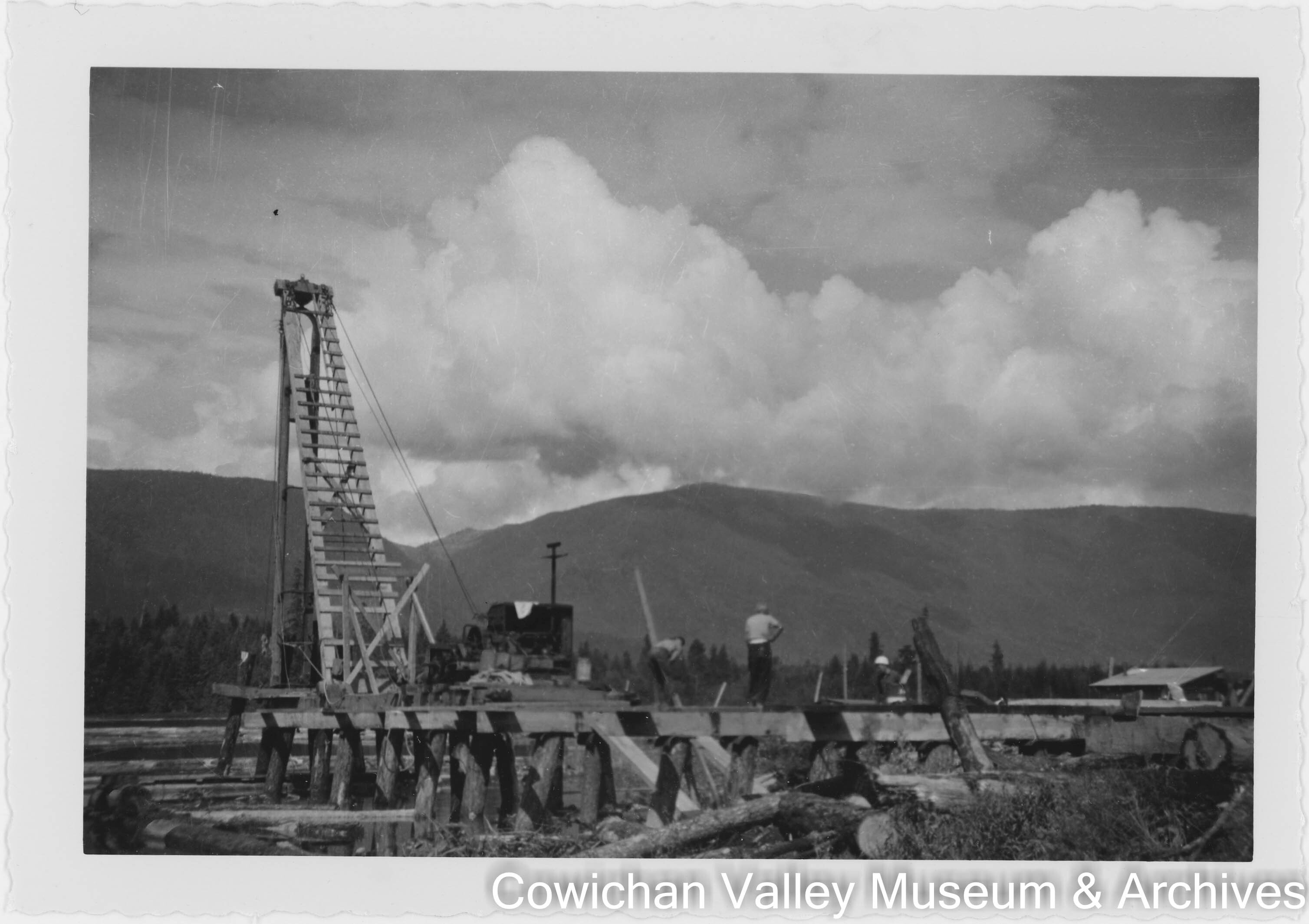
Image of construction workers and machinery on the partially constructed Mayo Lumber Co. sawmill at Beaver Lake.
Member of
Description
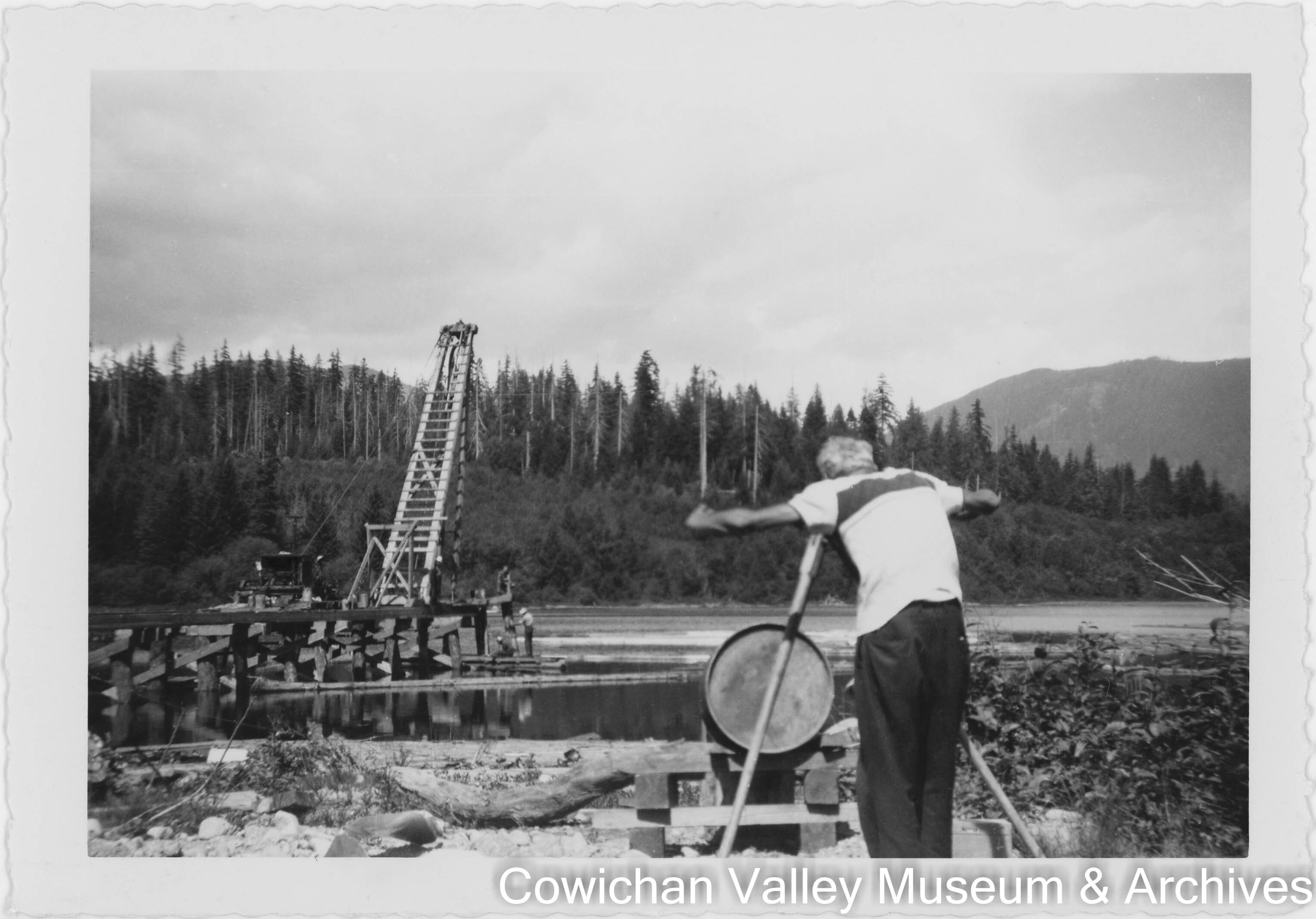
Image of an unidentified man standing on the shore with his arms spread in front of the partially constructed Mayo Lumber Co. sawmill at Beaver Lake.

Member of
Description
Image of the partially constructed Mayo Lumber Co. sawmill at Beaver Lake. Two construction workers walk along the dock.
Member of
Description
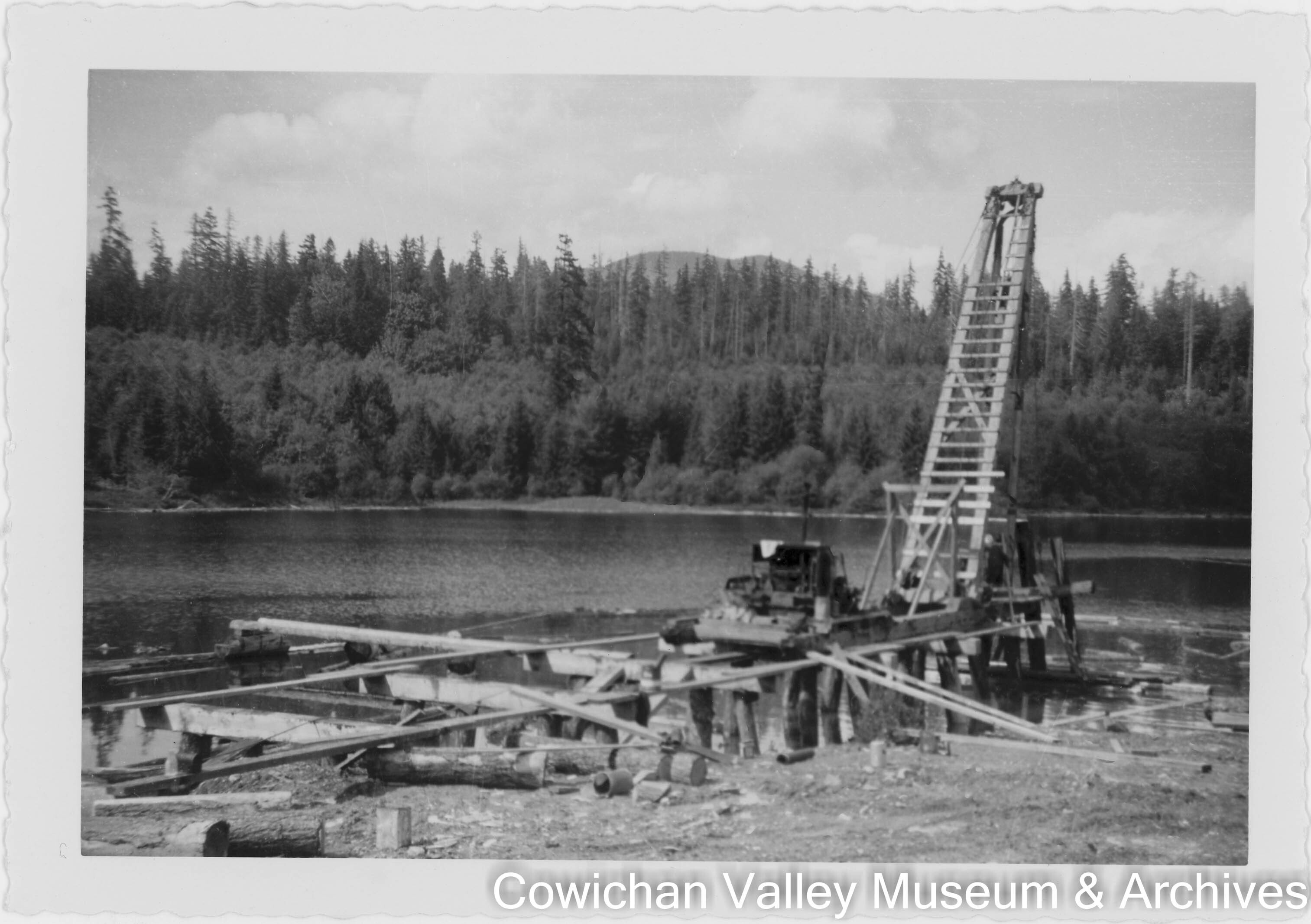
Image of the partially constructed Mayo Lumber Co. sawmill at Beaver Lake.
Member of
Description
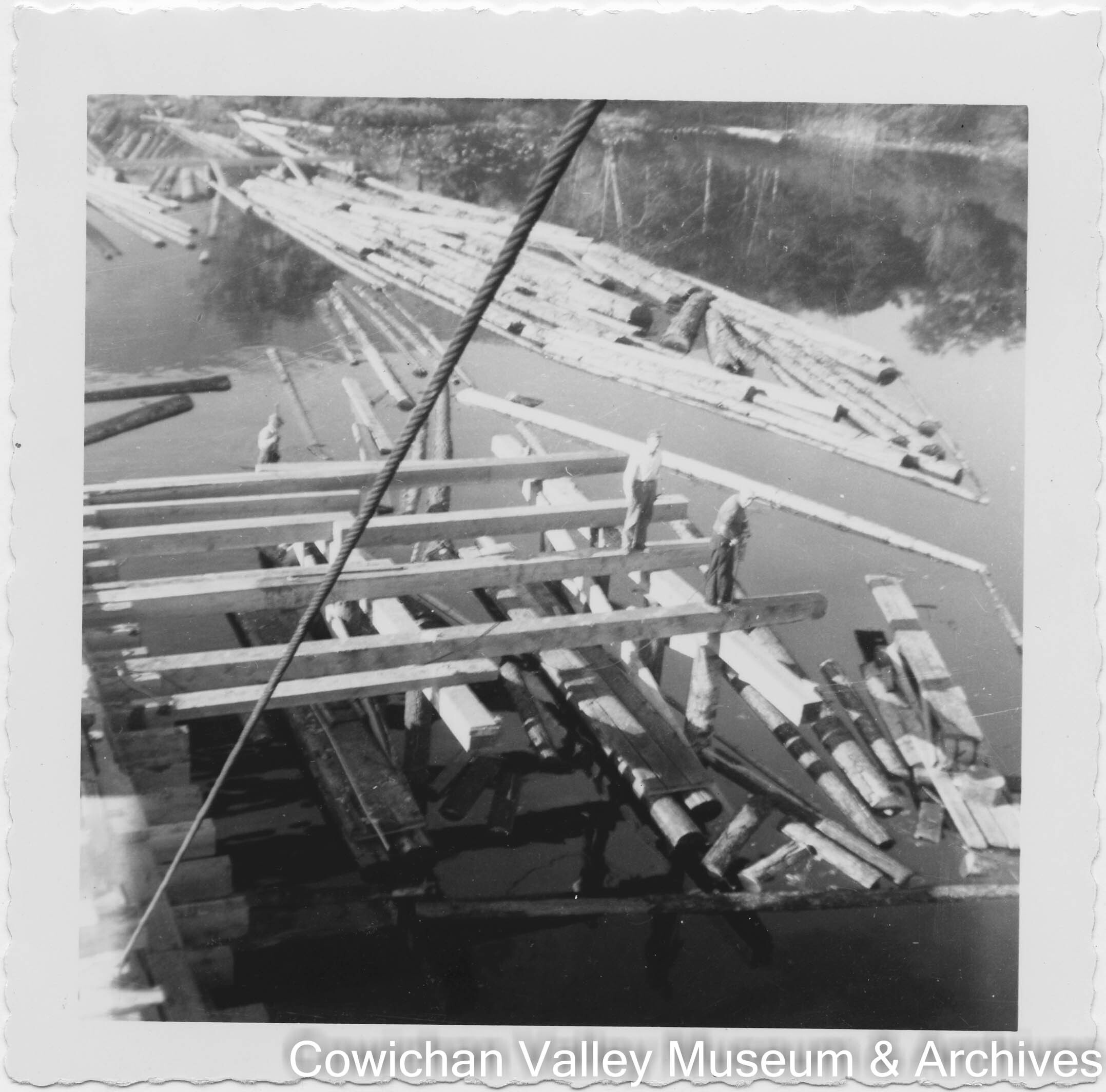
Image of two unidentified construction workers standing on wooden beams during the construction of the Mayo Lumber Co.'s Beaver Lake sawmill near Lake Cowichan.
Member of
Description
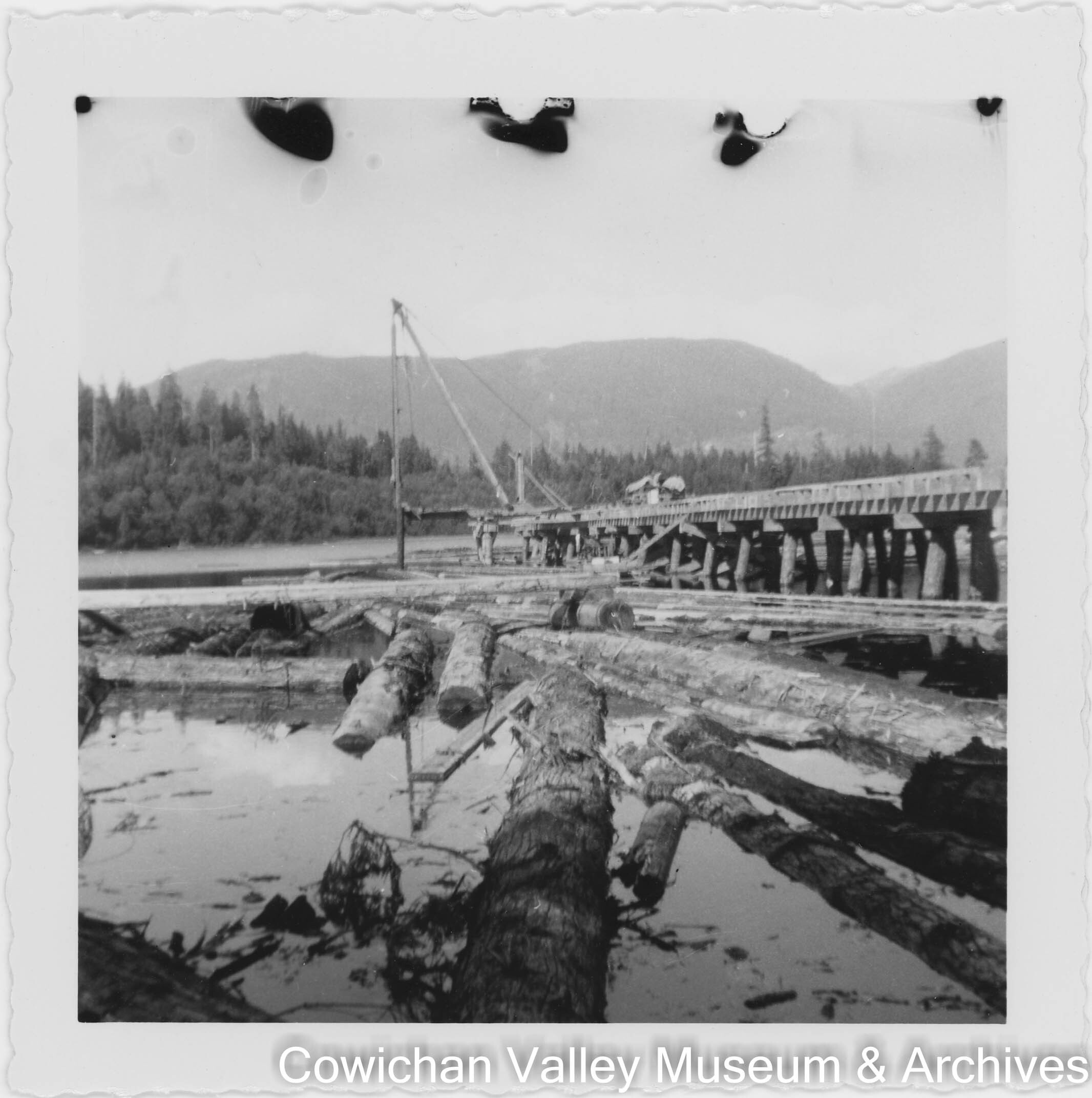
Image of the Mayo Lumber Co.'s Beaver Lake sawmill being constructed.
Creator: Bodalia, Chandra
Description
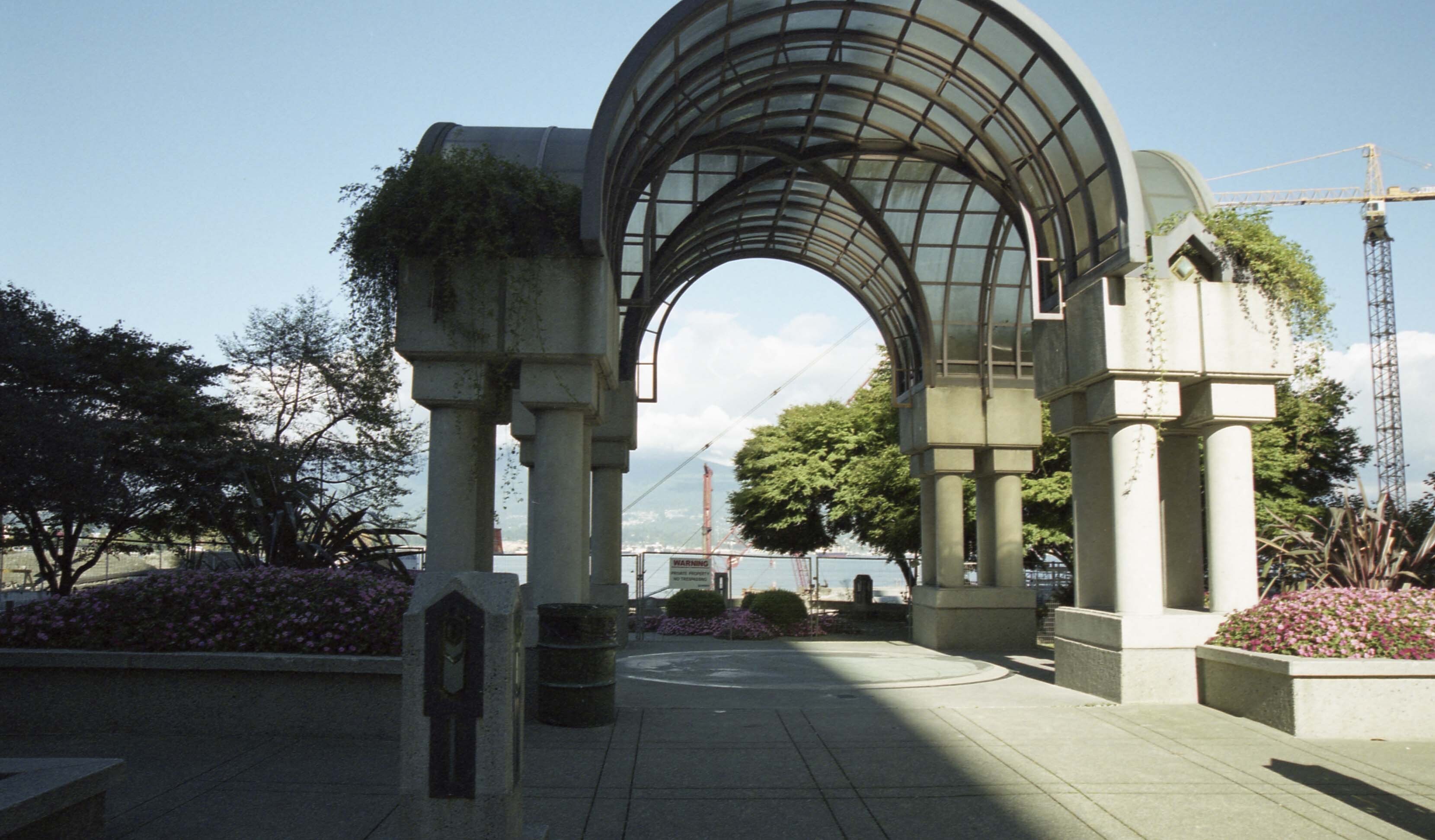
Photograph of the Komagata Maru Memorial construction site in Vancouver, B.C.
On May 23, 1914, the vessel S.S. Komagata Maru reached the shores of Burrard Inlet in Vancouver, British Columbia. On board were 376 passengers, British subjects of Indian descent, including 340 Sikhs, 24 Muslims and 12 Hindus, along with the Japanese crew and a cargo of 1,500 tons of coal. The ship was not allowed to berth so for the next two months government officials denied all passengers entry into Canada. This standoff represented an important challenge to Canadian immigration policies that discriminated on the basis of race. The local South Asian community united to fight their deportation, but eventually lost the legal battle, and the ship and most of its passengers were sent back to India. When S.S. Komagata Maru returned to Budge Budge in Calcutta on September 29, 1914 (today known as Kolkata, India), a massacre occurred. British Indian forces—informed by British perceptions that the passengers were revolutionaries—fired at the returnees. Twenty passengers died, many more were injured, more than two hundred were imprisoned without charge, and others went into exile. This tragedy is a symbol of the early struggle of South Asian Canadians for justice and equality and remains a significant event in Canadian history, symbolizing racial discrimination and sparking movements for South Asian rights and immigration reform.
On May 23, 1914, the vessel S.S. Komagata Maru reached the shores of Burrard Inlet in Vancouver, British Columbia. On board were 376 passengers, British subjects of Indian descent, including 340 Sikhs, 24 Muslims and 12 Hindus, along with the Japanese crew and a cargo of 1,500 tons of coal. The ship was not allowed to berth so for the next two months government officials denied all passengers entry into Canada. This standoff represented an important challenge to Canadian immigration policies that discriminated on the basis of race. The local South Asian community united to fight their deportation, but eventually lost the legal battle, and the ship and most of its passengers were sent back to India. When S.S. Komagata Maru returned to Budge Budge in Calcutta on September 29, 1914 (today known as Kolkata, India), a massacre occurred. British Indian forces—informed by British perceptions that the passengers were revolutionaries—fired at the returnees. Twenty passengers died, many more were injured, more than two hundred were imprisoned without charge, and others went into exile. This tragedy is a symbol of the early struggle of South Asian Canadians for justice and equality and remains a significant event in Canadian history, symbolizing racial discrimination and sparking movements for South Asian rights and immigration reform.
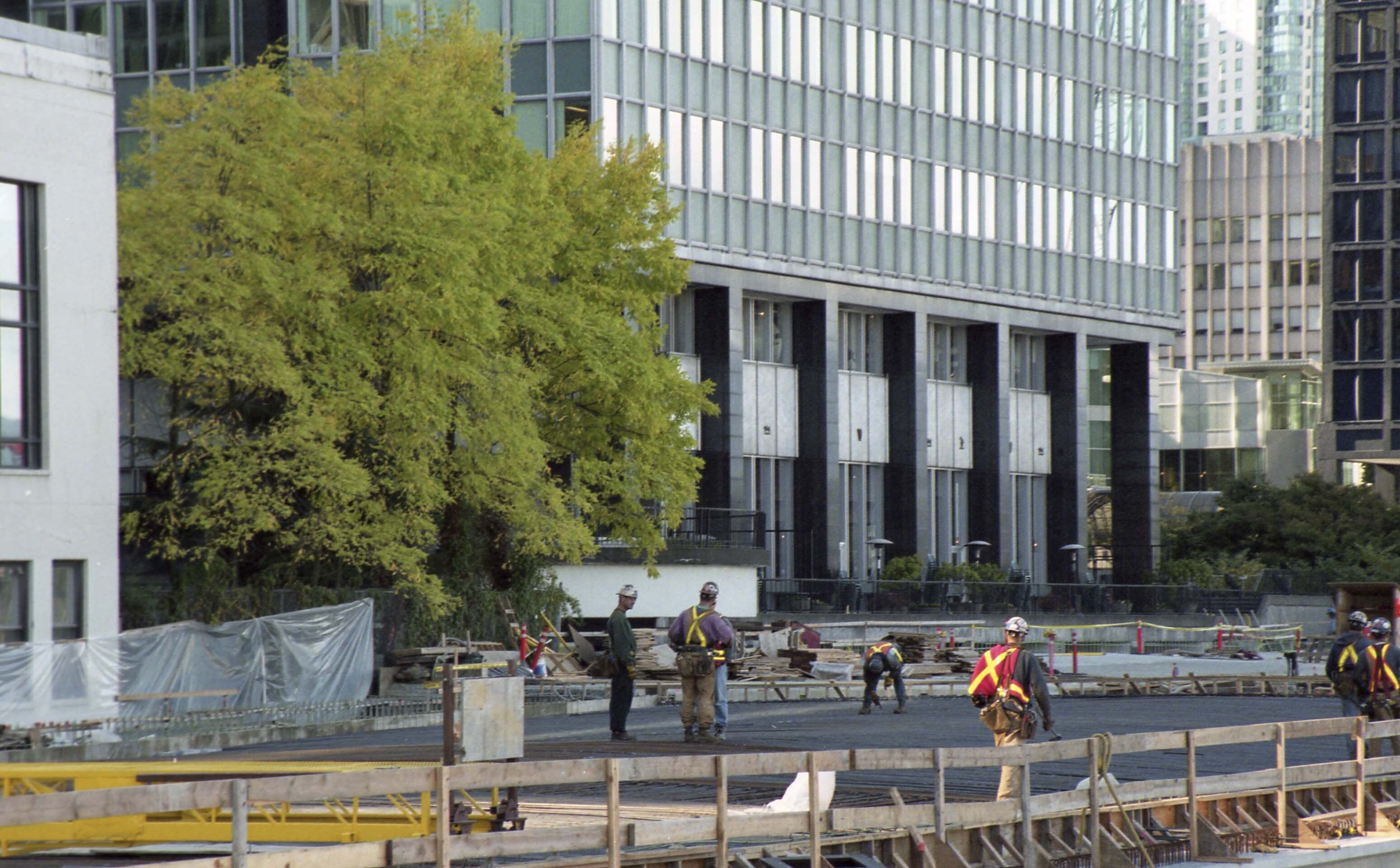
Creator: Bodalia, Chandra
Description
Photograph of the Komagata Maru Memorial construction site in Vancouver, B.C.
On May 23, 1914, the vessel S.S. Komagata Maru reached the shores of Burrard Inlet in Vancouver, British Columbia. On board were 376 passengers, British subjects of Indian descent, including 340 Sikhs, 24 Muslims and 12 Hindus, along with the Japanese crew and a cargo of 1,500 tons of coal. The ship was not allowed to berth so for the next two months government officials denied all passengers entry into Canada. This standoff represented an important challenge to Canadian immigration policies that discriminated on the basis of race. The local South Asian community united to fight their deportation, but eventually lost the legal battle, and the ship and most of its passengers were sent back to India. When S.S. Komagata Maru returned to Budge Budge in Calcutta on September 29, 1914 (today known as Kolkata, India), a massacre occurred. British Indian forces—informed by British perceptions that the passengers were revolutionaries—fired at the returnees. Twenty passengers died, many more were injured, more than two hundred were imprisoned without charge, and others went into exile. This tragedy is a symbol of the early struggle of South Asian Canadians for justice and equality and remains a significant event in Canadian history, symbolizing racial discrimination and sparking movements for South Asian rights and immigration reform.
On May 23, 1914, the vessel S.S. Komagata Maru reached the shores of Burrard Inlet in Vancouver, British Columbia. On board were 376 passengers, British subjects of Indian descent, including 340 Sikhs, 24 Muslims and 12 Hindus, along with the Japanese crew and a cargo of 1,500 tons of coal. The ship was not allowed to berth so for the next two months government officials denied all passengers entry into Canada. This standoff represented an important challenge to Canadian immigration policies that discriminated on the basis of race. The local South Asian community united to fight their deportation, but eventually lost the legal battle, and the ship and most of its passengers were sent back to India. When S.S. Komagata Maru returned to Budge Budge in Calcutta on September 29, 1914 (today known as Kolkata, India), a massacre occurred. British Indian forces—informed by British perceptions that the passengers were revolutionaries—fired at the returnees. Twenty passengers died, many more were injured, more than two hundred were imprisoned without charge, and others went into exile. This tragedy is a symbol of the early struggle of South Asian Canadians for justice and equality and remains a significant event in Canadian history, symbolizing racial discrimination and sparking movements for South Asian rights and immigration reform.