
Activism
Creator: Bodalia, Chandra
Description
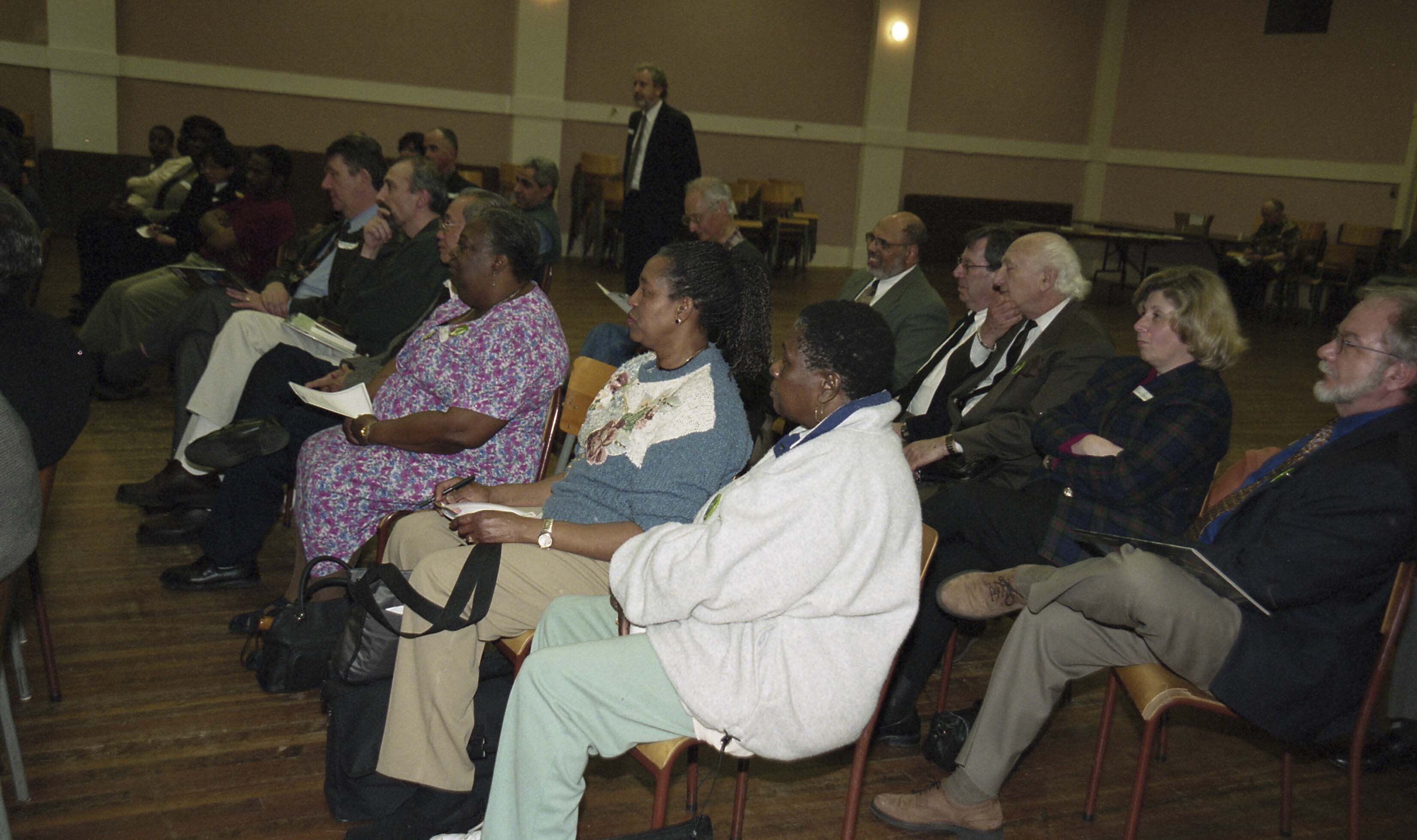
Photograph of attendees at an International Day for the Elimination of Racial Discrimination event.
The International Day for the Elimination of Racial Discrimination is guided by the United Nations International Convention on the Elimination of All Forms of Racial Discrimination and recognizes that the injustices and prejudices fueled by racial discrimination take place every day. Observed annually on March 21, it commemorates the day police in Sharpeville, South Africa, opened fire and killed 69 people at a peaceful demonstration against apartheid "pass laws" in 1960. This day serves as a call to action for individuals, organizations, and all levels of government to actively work to eliminate all forms of racial discrimination, injustice, systemic racism and hate.
The International Day for the Elimination of Racial Discrimination is guided by the United Nations International Convention on the Elimination of All Forms of Racial Discrimination and recognizes that the injustices and prejudices fueled by racial discrimination take place every day. Observed annually on March 21, it commemorates the day police in Sharpeville, South Africa, opened fire and killed 69 people at a peaceful demonstration against apartheid "pass laws" in 1960. This day serves as a call to action for individuals, organizations, and all levels of government to actively work to eliminate all forms of racial discrimination, injustice, systemic racism and hate.
Creator: Bodalia, Chandra
Description
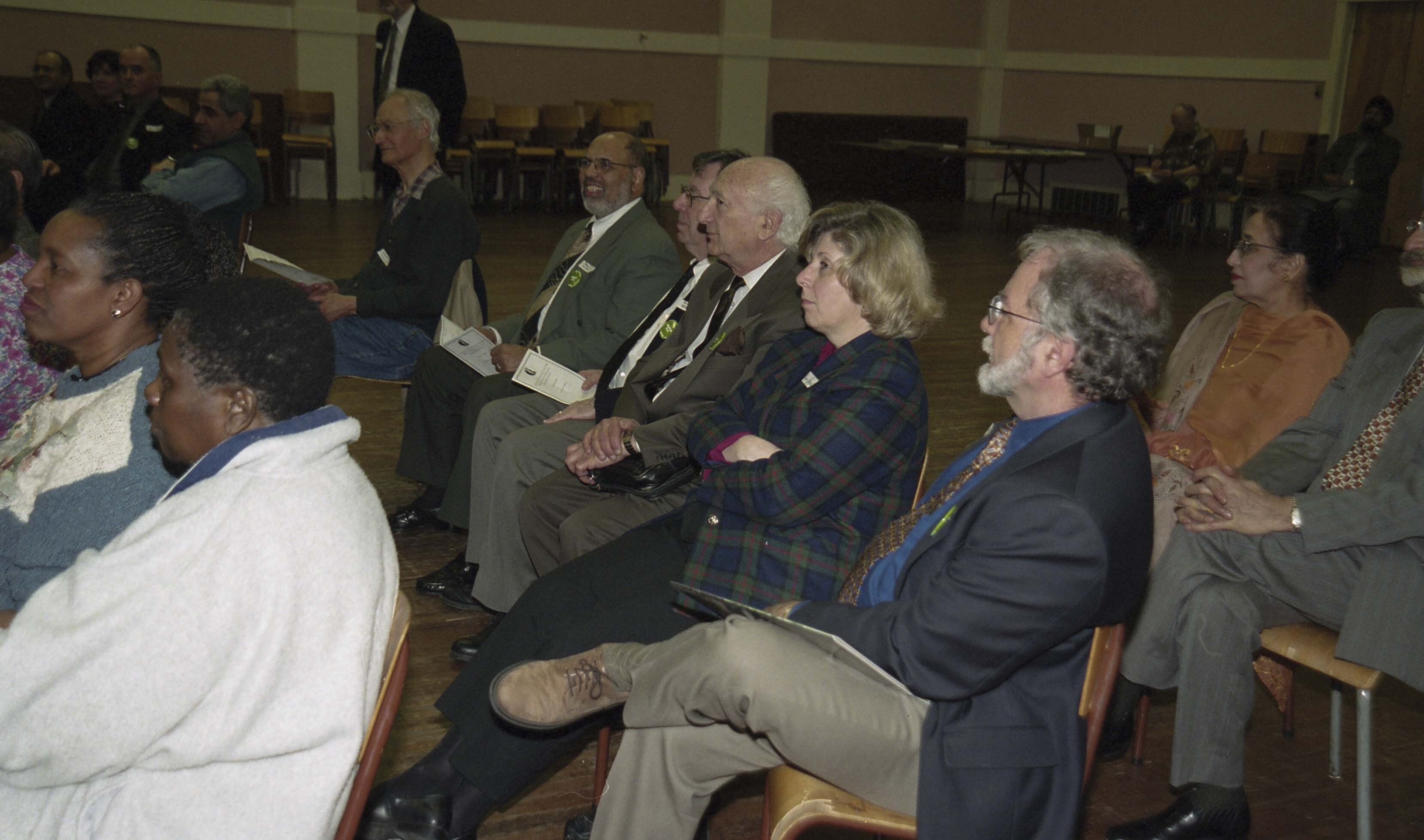
Photograph of attendees at an International Day for the Elimination of Racial Discrimination event.
The International Day for the Elimination of Racial Discrimination is guided by the United Nations International Convention on the Elimination of All Forms of Racial Discrimination and recognizes that the injustices and prejudices fueled by racial discrimination take place every day. Observed annually on March 21, it commemorates the day police in Sharpeville, South Africa, opened fire and killed 69 people at a peaceful demonstration against apartheid "pass laws" in 1960. This day serves as a call to action for individuals, organizations, and all levels of government to actively work to eliminate all forms of racial discrimination, injustice, systemic racism and hate.
The International Day for the Elimination of Racial Discrimination is guided by the United Nations International Convention on the Elimination of All Forms of Racial Discrimination and recognizes that the injustices and prejudices fueled by racial discrimination take place every day. Observed annually on March 21, it commemorates the day police in Sharpeville, South Africa, opened fire and killed 69 people at a peaceful demonstration against apartheid "pass laws" in 1960. This day serves as a call to action for individuals, organizations, and all levels of government to actively work to eliminate all forms of racial discrimination, injustice, systemic racism and hate.
Creator: Bodalia, Chandra
Description
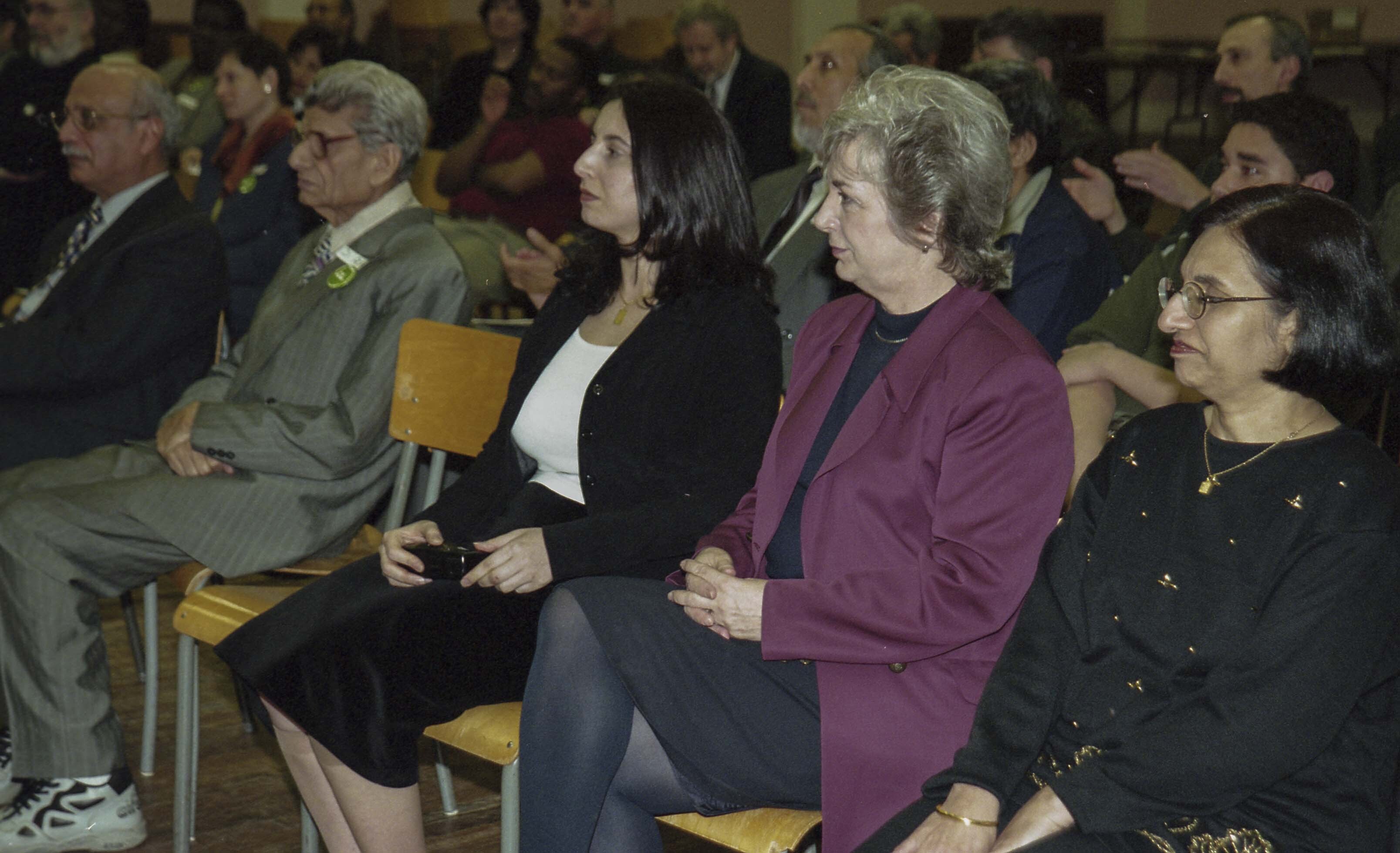
Photograph of attendees at an International Day for the Elimination of Racial Discrimination event.
The International Day for the Elimination of Racial Discrimination is guided by the United Nations International Convention on the Elimination of All Forms of Racial Discrimination and recognizes that the injustices and prejudices fueled by racial discrimination take place every day. Observed annually on March 21, it commemorates the day police in Sharpeville, South Africa, opened fire and killed 69 people at a peaceful demonstration against apartheid "pass laws" in 1960. This day serves as a call to action for individuals, organizations, and all levels of government to actively work to eliminate all forms of racial discrimination, injustice, systemic racism and hate.
The International Day for the Elimination of Racial Discrimination is guided by the United Nations International Convention on the Elimination of All Forms of Racial Discrimination and recognizes that the injustices and prejudices fueled by racial discrimination take place every day. Observed annually on March 21, it commemorates the day police in Sharpeville, South Africa, opened fire and killed 69 people at a peaceful demonstration against apartheid "pass laws" in 1960. This day serves as a call to action for individuals, organizations, and all levels of government to actively work to eliminate all forms of racial discrimination, injustice, systemic racism and hate.
Creator: Bodalia, Chandra
Description
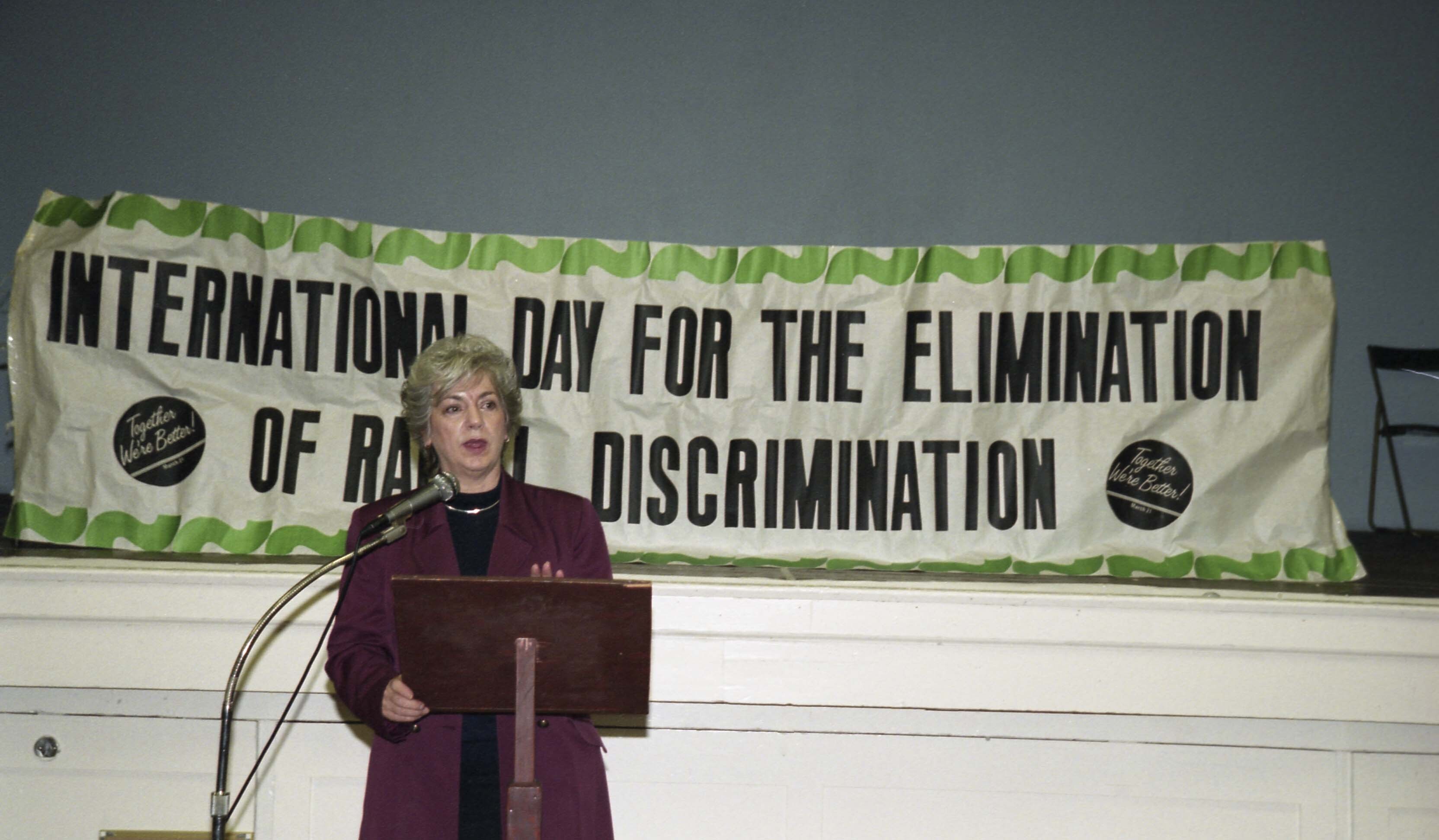
Photograph of an unidentified woman speaking at an International Day for the Elimination of Racial Discrimination event.
The International Day for the Elimination of Racial Discrimination is guided by the United Nations International Convention on the Elimination of All Forms of Racial Discrimination and recognizes that the injustices and prejudices fueled by racial discrimination take place every day. Observed annually on March 21, it commemorates the day police in Sharpeville, South Africa, opened fire and killed 69 people at a peaceful demonstration against apartheid "pass laws" in 1960. This day serves as a call to action for individuals, organizations, and all levels of government to actively work to eliminate all forms of racial discrimination, injustice, systemic racism and hate.
The International Day for the Elimination of Racial Discrimination is guided by the United Nations International Convention on the Elimination of All Forms of Racial Discrimination and recognizes that the injustices and prejudices fueled by racial discrimination take place every day. Observed annually on March 21, it commemorates the day police in Sharpeville, South Africa, opened fire and killed 69 people at a peaceful demonstration against apartheid "pass laws" in 1960. This day serves as a call to action for individuals, organizations, and all levels of government to actively work to eliminate all forms of racial discrimination, injustice, systemic racism and hate.
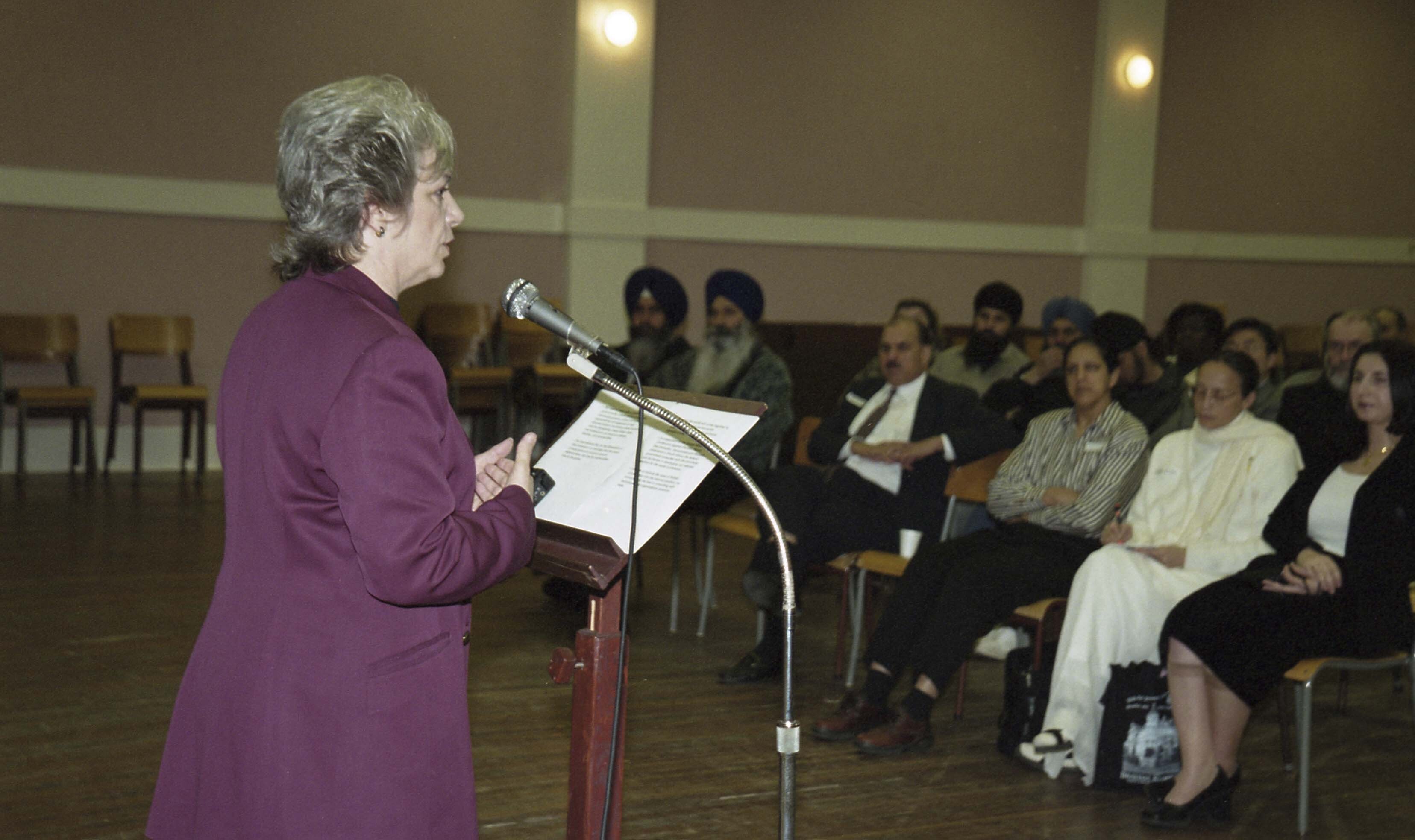
Creator: Bodalia, Chandra
Description
Photograph of an unidentified woman speaking at an International Day for the Elimination of Racial Discrimination event.
The International Day for the Elimination of Racial Discrimination is guided by the United Nations International Convention on the Elimination of All Forms of Racial Discrimination and recognizes that the injustices and prejudices fueled by racial discrimination take place every day. Observed annually on March 21, it commemorates the day police in Sharpeville, South Africa, opened fire and killed 69 people at a peaceful demonstration against apartheid "pass laws" in 1960. This day serves as a call to action for individuals, organizations, and all levels of government to actively work to eliminate all forms of racial discrimination, injustice, systemic racism and hate.
The International Day for the Elimination of Racial Discrimination is guided by the United Nations International Convention on the Elimination of All Forms of Racial Discrimination and recognizes that the injustices and prejudices fueled by racial discrimination take place every day. Observed annually on March 21, it commemorates the day police in Sharpeville, South Africa, opened fire and killed 69 people at a peaceful demonstration against apartheid "pass laws" in 1960. This day serves as a call to action for individuals, organizations, and all levels of government to actively work to eliminate all forms of racial discrimination, injustice, systemic racism and hate.
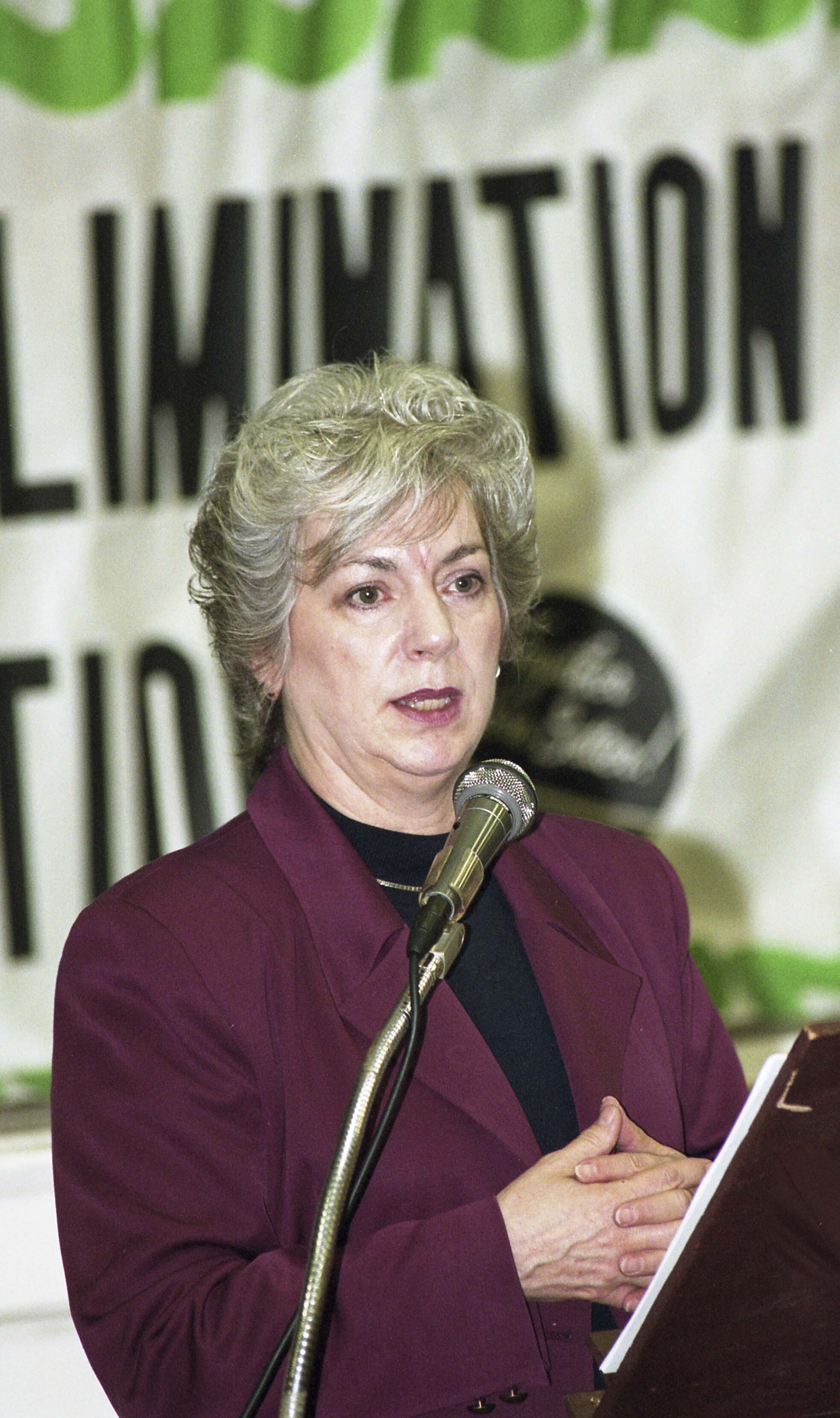
Creator: Bodalia, Chandra
Description
Photograph of an unidentified woman speaking at an International Day for the Elimination of Racial Discrimination event.
The International Day for the Elimination of Racial Discrimination is guided by the United Nations International Convention on the Elimination of All Forms of Racial Discrimination and recognizes that the injustices and prejudices fueled by racial discrimination take place every day. Observed annually on March 21, it commemorates the day police in Sharpeville, South Africa, opened fire and killed 69 people at a peaceful demonstration against apartheid "pass laws" in 1960. This day serves as a call to action for individuals, organizations, and all levels of government to actively work to eliminate all forms of racial discrimination, injustice, systemic racism and hate.
The International Day for the Elimination of Racial Discrimination is guided by the United Nations International Convention on the Elimination of All Forms of Racial Discrimination and recognizes that the injustices and prejudices fueled by racial discrimination take place every day. Observed annually on March 21, it commemorates the day police in Sharpeville, South Africa, opened fire and killed 69 people at a peaceful demonstration against apartheid "pass laws" in 1960. This day serves as a call to action for individuals, organizations, and all levels of government to actively work to eliminate all forms of racial discrimination, injustice, systemic racism and hate.
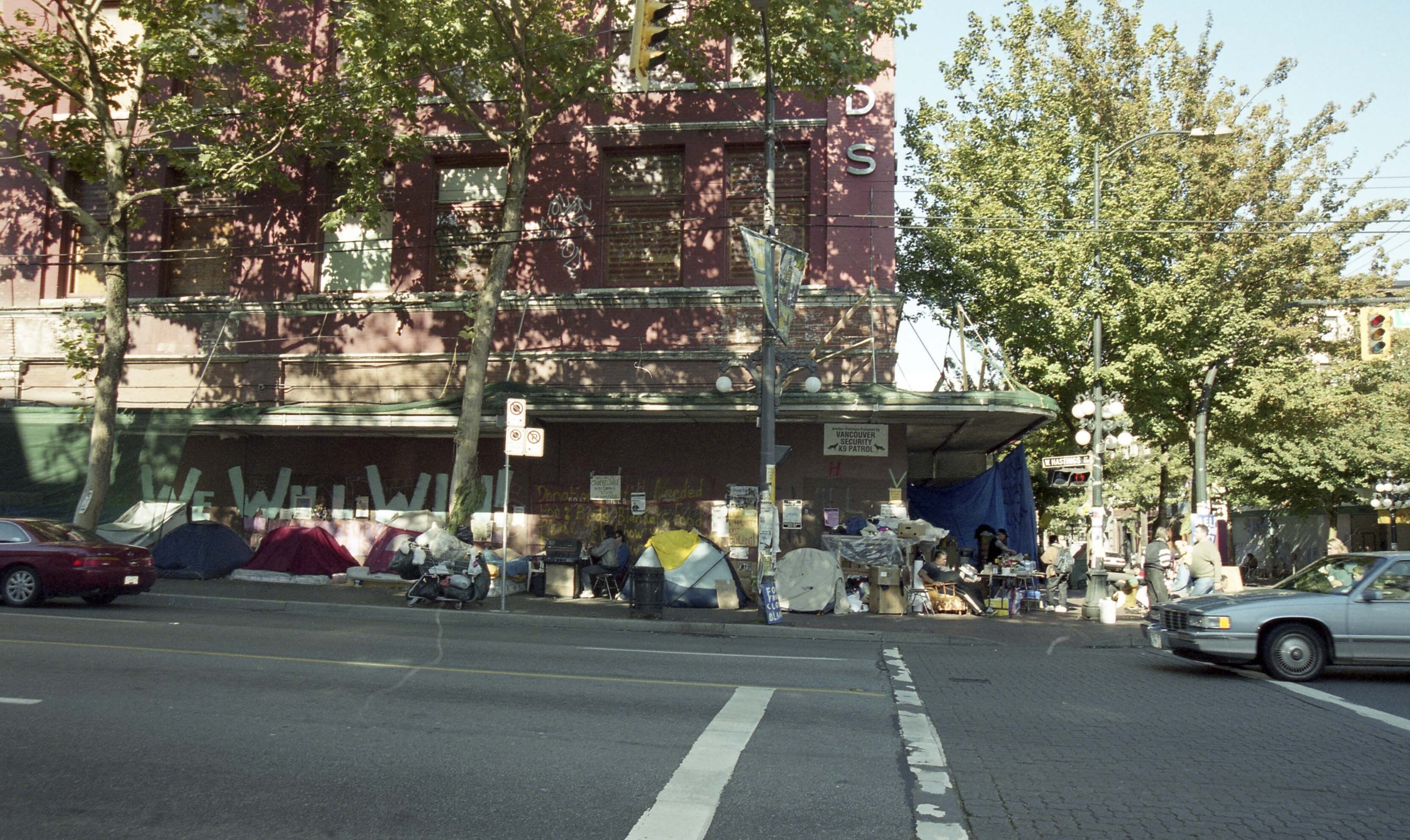
Creator: Bodalia, Chandra
Description
Photograph of the 2002 Woodward's squat held on the Downtown Eastside of Vancouver, B.C. A painted wall reads, "WE WANT WOODWARDS! NOW."
The Woodward's squat or "Woodsquat" started on September 14, 2002 and lasted three months. It is known as one of the most prominent acts of civil disobedience in the history of Vancouver, and was marked by activists occupying the vacant Woodward's building at closed in 1993. They championed the city for social housing, but the building was later demolished in 2006. The event was also marked by police brutality and raids.
The Woodward's squat or "Woodsquat" started on September 14, 2002 and lasted three months. It is known as one of the most prominent acts of civil disobedience in the history of Vancouver, and was marked by activists occupying the vacant Woodward's building at closed in 1993. They championed the city for social housing, but the building was later demolished in 2006. The event was also marked by police brutality and raids.
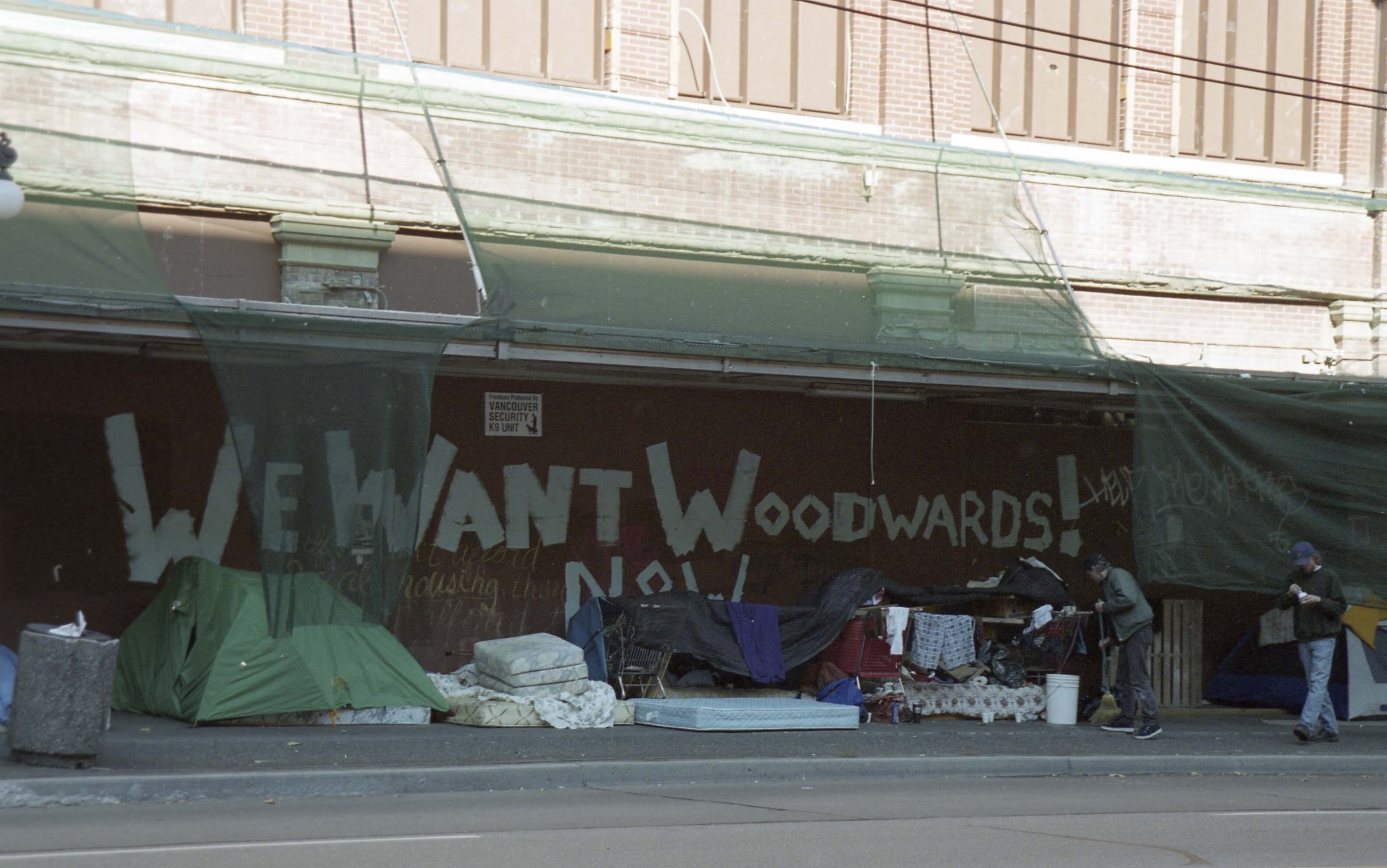
Creator: Bodalia, Chandra
Description
Photograph of the 2002 Woodward's squat held on the Downtown Eastside of Vancouver, B.C. A painted wall reads, "WE WANT WOODWARDS! NOW."
The Woodward's squat or "Woodsquat" started on September 14, 2002 and lasted three months. It is known as one of the most prominent acts of civil disobedience in the history of Vancouver, and was marked by activists occupying the vacant Woodward's building at closed in 1993. They championed the city for social housing, but the building was later demolished in 2006. The event was also marked by police brutality and raids.
The Woodward's squat or "Woodsquat" started on September 14, 2002 and lasted three months. It is known as one of the most prominent acts of civil disobedience in the history of Vancouver, and was marked by activists occupying the vacant Woodward's building at closed in 1993. They championed the city for social housing, but the building was later demolished in 2006. The event was also marked by police brutality and raids.
Creator: Bodalia, Chandra
Description
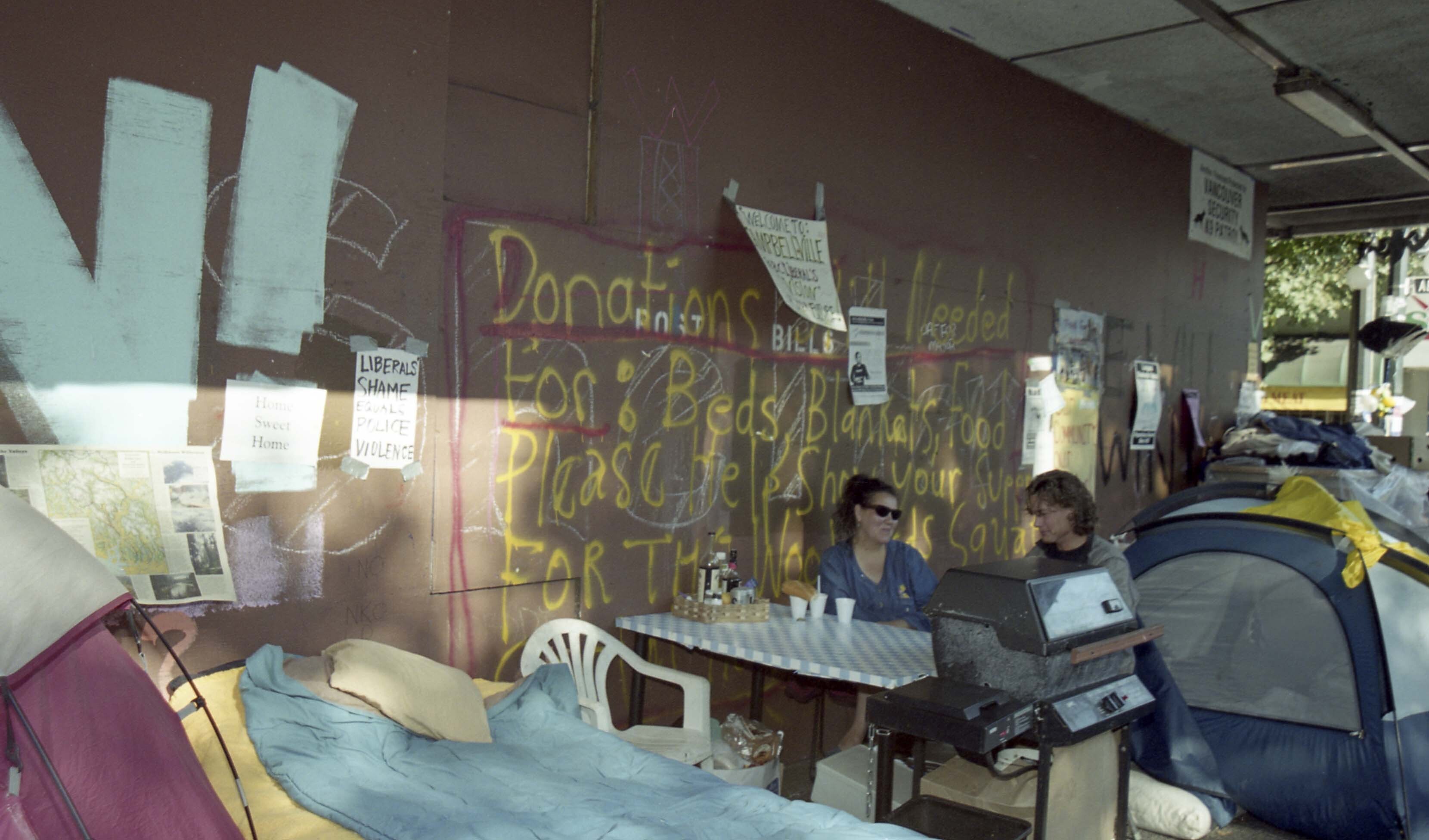
Photograph of two unidentified people talking during the 2002 Woodward's squat held on the Downtown Eastside of Vancouver, B.C.
The Woodward's squat or "Woodsquat" started on September 14, 2002 and lasted three months. It is known as one of the most prominent acts of civil disobedience in the history of Vancouver, and was marked by activists occupying the vacant Woodward's building at closed in 1993. They championed the city for social housing, but the building was later demolished in 2006. The event was also marked by police brutality and raids.
The Woodward's squat or "Woodsquat" started on September 14, 2002 and lasted three months. It is known as one of the most prominent acts of civil disobedience in the history of Vancouver, and was marked by activists occupying the vacant Woodward's building at closed in 1993. They championed the city for social housing, but the building was later demolished in 2006. The event was also marked by police brutality and raids.
Creator: Bodalia, Chandra
Description
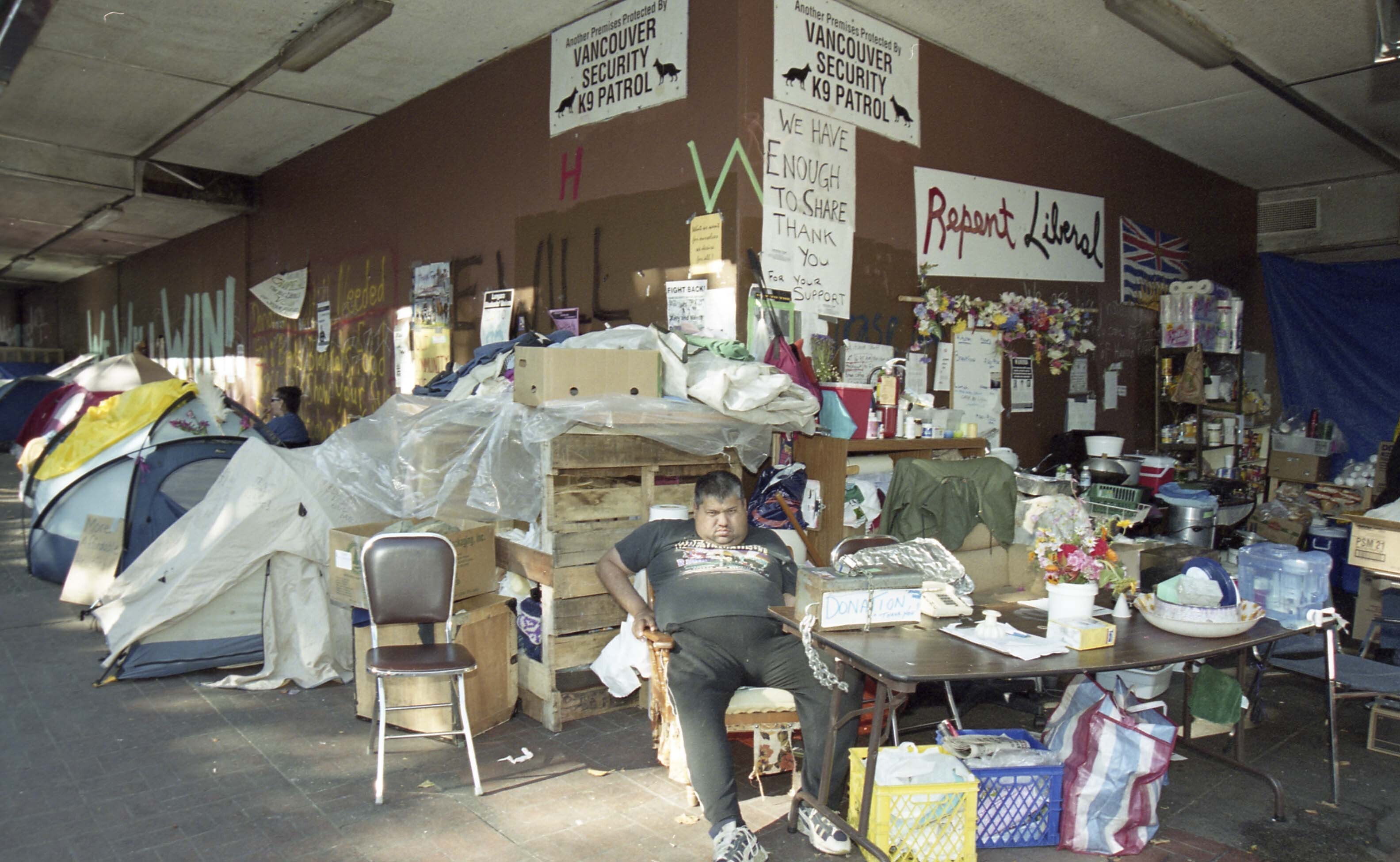
Photograph of an unidentified man at the 2002 Woodward's squat held on the Downtown Eastside of Vancouver, B.C.
The Woodward's squat or "Woodsquat" started on September 14, 2002 and lasted three months. It is known as one of the most prominent acts of civil disobedience in the history of Vancouver, and was marked by activists occupying the vacant Woodward's building at closed in 1993. They championed the city for social housing, but the building was later demolished in 2006. The event was also marked by police brutality and raids.
The Woodward's squat or "Woodsquat" started on September 14, 2002 and lasted three months. It is known as one of the most prominent acts of civil disobedience in the history of Vancouver, and was marked by activists occupying the vacant Woodward's building at closed in 1993. They championed the city for social housing, but the building was later demolished in 2006. The event was also marked by police brutality and raids.