
Komagata Maru tragedy
2024_19_1274_010-Service File.jpg
Download
Creator: Bodalia, Chandra
Description
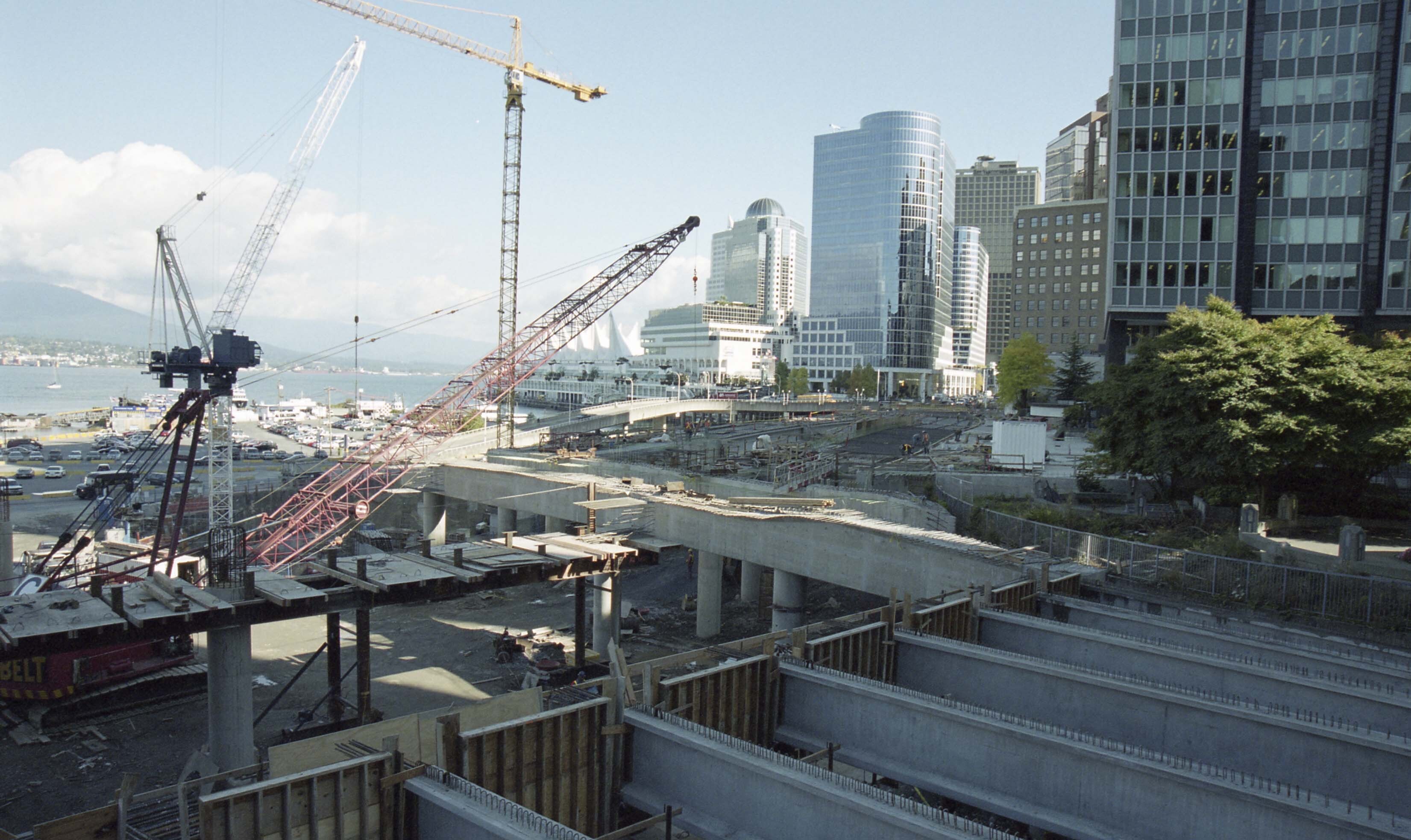
Photograph of the Komagata Maru Memorial construction site in Vancouver, B.C.
On May 23, 1914, the vessel S.S. Komagata Maru reached the shores of Burrard Inlet in Vancouver, British Columbia. On board were 376 passengers, British subjects of Indian descent, including 340 Sikhs, 24 Muslims and 12 Hindus, along with the Japanese crew and a cargo of 1,500 tons of coal. The ship was not allowed to berth so for the next two months government officials denied all passengers entry into Canada. This standoff represented an important challenge to Canadian immigration policies that discriminated on the basis of race. The local South Asian community united to fight their deportation, but eventually lost the legal battle, and the ship and most of its passengers were sent back to India. When S.S. Komagata Maru returned to Budge Budge in Calcutta on September 29, 1914 (today known as Kolkata, India), a massacre occurred. British Indian forces—informed by British perceptions that the passengers were revolutionaries—fired at the returnees. Twenty passengers died, many more were injured, more than two hundred were imprisoned without charge, and others went into exile. This tragedy is a symbol of the early struggle of South Asian Canadians for justice and equality and remains a significant event in Canadian history, symbolizing racial discrimination and sparking movements for South Asian rights and immigration reform.
On May 23, 1914, the vessel S.S. Komagata Maru reached the shores of Burrard Inlet in Vancouver, British Columbia. On board were 376 passengers, British subjects of Indian descent, including 340 Sikhs, 24 Muslims and 12 Hindus, along with the Japanese crew and a cargo of 1,500 tons of coal. The ship was not allowed to berth so for the next two months government officials denied all passengers entry into Canada. This standoff represented an important challenge to Canadian immigration policies that discriminated on the basis of race. The local South Asian community united to fight their deportation, but eventually lost the legal battle, and the ship and most of its passengers were sent back to India. When S.S. Komagata Maru returned to Budge Budge in Calcutta on September 29, 1914 (today known as Kolkata, India), a massacre occurred. British Indian forces—informed by British perceptions that the passengers were revolutionaries—fired at the returnees. Twenty passengers died, many more were injured, more than two hundred were imprisoned without charge, and others went into exile. This tragedy is a symbol of the early struggle of South Asian Canadians for justice and equality and remains a significant event in Canadian history, symbolizing racial discrimination and sparking movements for South Asian rights and immigration reform.
2024_19_1274_009-Service File.jpg
Download
Creator: Bodalia, Chandra
Description
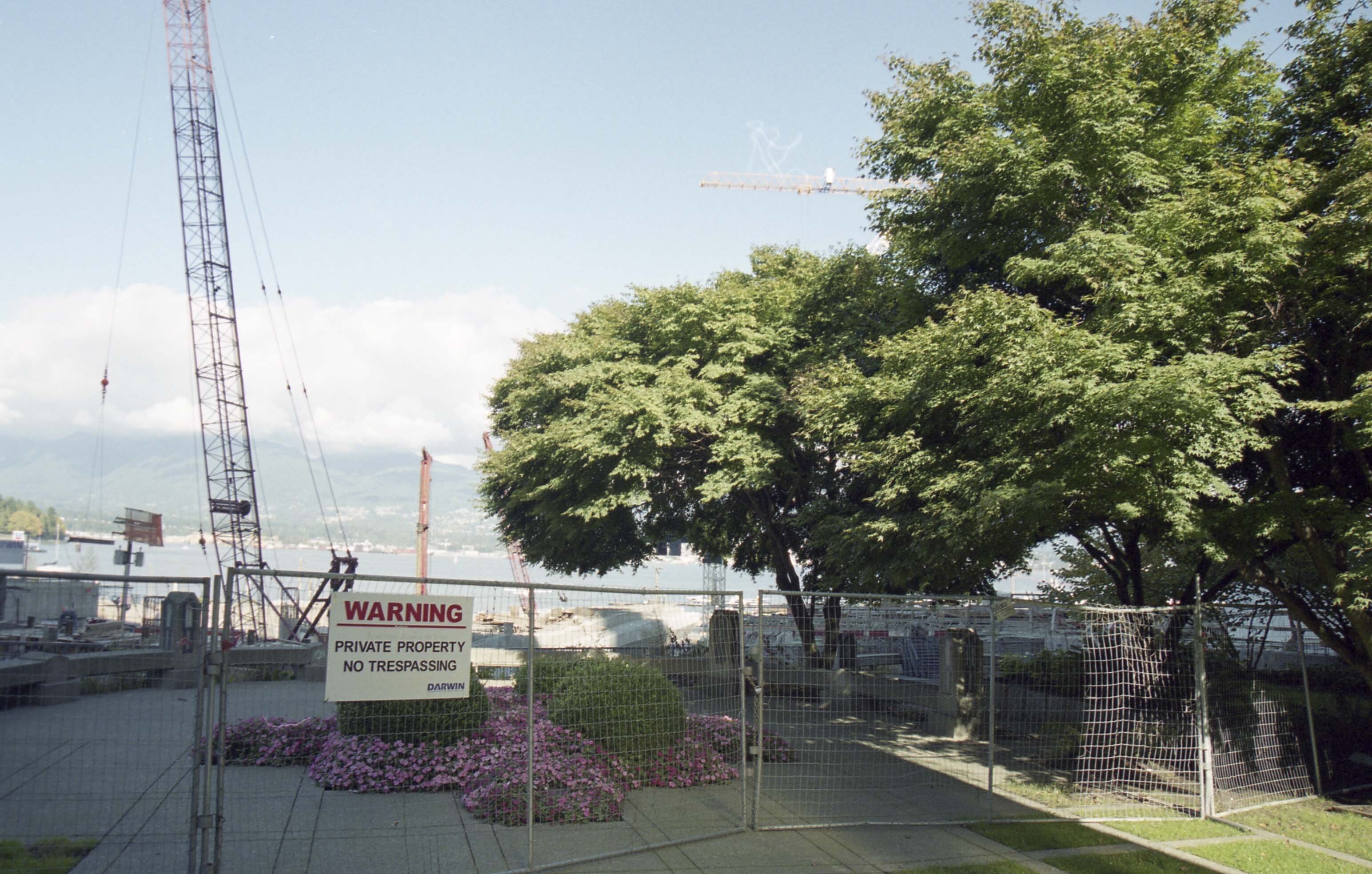
Photograph of the Komagata Maru Memorial construction site in Vancouver, B.C.
On May 23, 1914, the vessel S.S. Komagata Maru reached the shores of Burrard Inlet in Vancouver, British Columbia. On board were 376 passengers, British subjects of Indian descent, including 340 Sikhs, 24 Muslims and 12 Hindus, along with the Japanese crew and a cargo of 1,500 tons of coal. The ship was not allowed to berth so for the next two months government officials denied all passengers entry into Canada. This standoff represented an important challenge to Canadian immigration policies that discriminated on the basis of race. The local South Asian community united to fight their deportation, but eventually lost the legal battle, and the ship and most of its passengers were sent back to India. When S.S. Komagata Maru returned to Budge Budge in Calcutta on September 29, 1914 (today known as Kolkata, India), a massacre occurred. British Indian forces—informed by British perceptions that the passengers were revolutionaries—fired at the returnees. Twenty passengers died, many more were injured, more than two hundred were imprisoned without charge, and others went into exile. This tragedy is a symbol of the early struggle of South Asian Canadians for justice and equality and remains a significant event in Canadian history, symbolizing racial discrimination and sparking movements for South Asian rights and immigration reform.
On May 23, 1914, the vessel S.S. Komagata Maru reached the shores of Burrard Inlet in Vancouver, British Columbia. On board were 376 passengers, British subjects of Indian descent, including 340 Sikhs, 24 Muslims and 12 Hindus, along with the Japanese crew and a cargo of 1,500 tons of coal. The ship was not allowed to berth so for the next two months government officials denied all passengers entry into Canada. This standoff represented an important challenge to Canadian immigration policies that discriminated on the basis of race. The local South Asian community united to fight their deportation, but eventually lost the legal battle, and the ship and most of its passengers were sent back to India. When S.S. Komagata Maru returned to Budge Budge in Calcutta on September 29, 1914 (today known as Kolkata, India), a massacre occurred. British Indian forces—informed by British perceptions that the passengers were revolutionaries—fired at the returnees. Twenty passengers died, many more were injured, more than two hundred were imprisoned without charge, and others went into exile. This tragedy is a symbol of the early struggle of South Asian Canadians for justice and equality and remains a significant event in Canadian history, symbolizing racial discrimination and sparking movements for South Asian rights and immigration reform.
2024_19_1274_003-Service File.jpg
Download
Creator: Bodalia, Chandra
Description
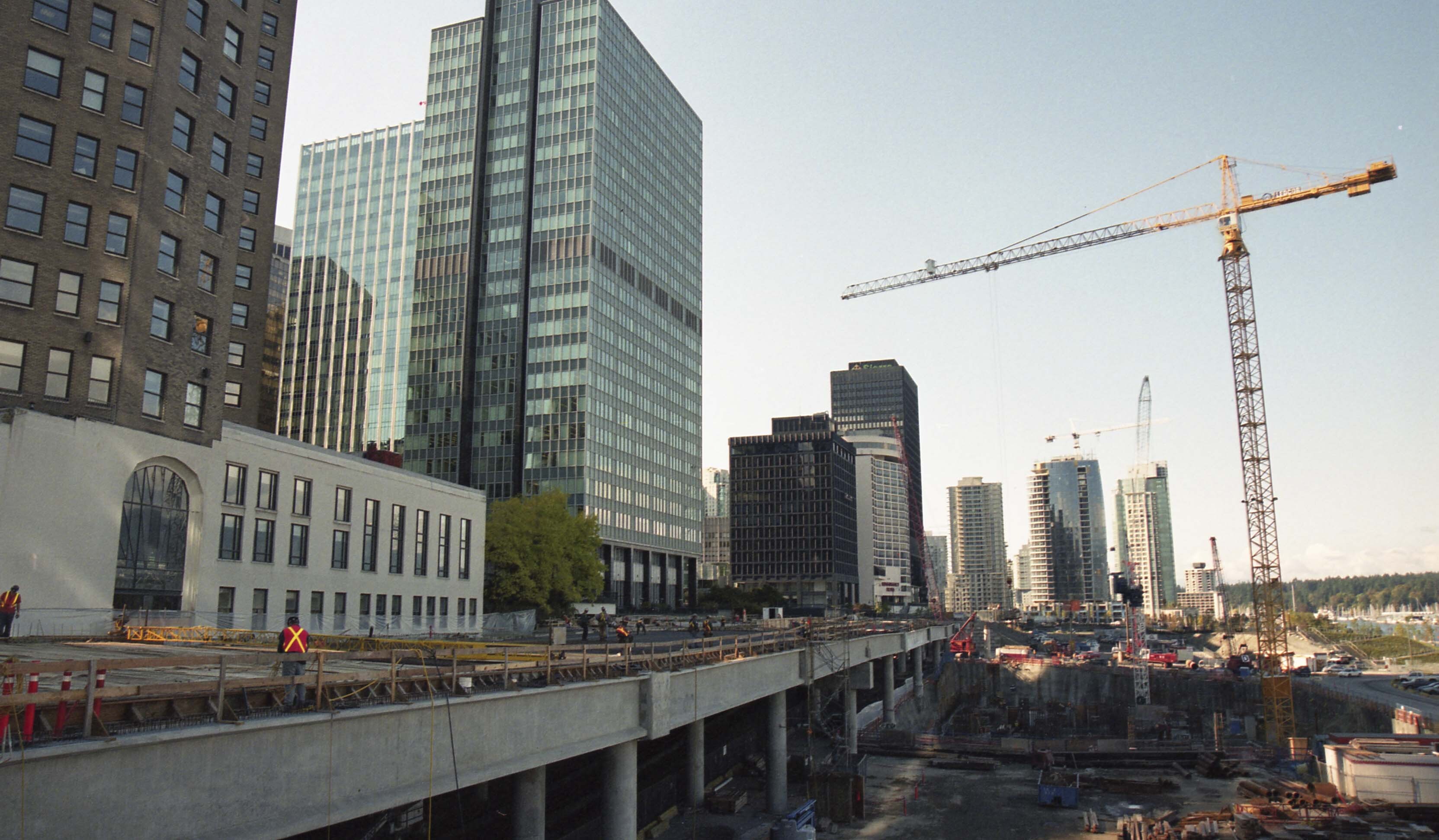
Photograph of the Komagata Maru Memorial construction site in Vancouver, B.C.
On May 23, 1914, the vessel S.S. Komagata Maru reached the shores of Burrard Inlet in Vancouver, British Columbia. On board were 376 passengers, British subjects of Indian descent, including 340 Sikhs, 24 Muslims and 12 Hindus, along with the Japanese crew and a cargo of 1,500 tons of coal. The ship was not allowed to berth so for the next two months government officials denied all passengers entry into Canada. This standoff represented an important challenge to Canadian immigration policies that discriminated on the basis of race. The local South Asian community united to fight their deportation, but eventually lost the legal battle, and the ship and most of its passengers were sent back to India. When S.S. Komagata Maru returned to Budge Budge in Calcutta on September 29, 1914 (today known as Kolkata, India), a massacre occurred. British Indian forces—informed by British perceptions that the passengers were revolutionaries—fired at the returnees. Twenty passengers died, many more were injured, more than two hundred were imprisoned without charge, and others went into exile. This tragedy is a symbol of the early struggle of South Asian Canadians for justice and equality and remains a significant event in Canadian history, symbolizing racial discrimination and sparking movements for South Asian rights and immigration reform.
On May 23, 1914, the vessel S.S. Komagata Maru reached the shores of Burrard Inlet in Vancouver, British Columbia. On board were 376 passengers, British subjects of Indian descent, including 340 Sikhs, 24 Muslims and 12 Hindus, along with the Japanese crew and a cargo of 1,500 tons of coal. The ship was not allowed to berth so for the next two months government officials denied all passengers entry into Canada. This standoff represented an important challenge to Canadian immigration policies that discriminated on the basis of race. The local South Asian community united to fight their deportation, but eventually lost the legal battle, and the ship and most of its passengers were sent back to India. When S.S. Komagata Maru returned to Budge Budge in Calcutta on September 29, 1914 (today known as Kolkata, India), a massacre occurred. British Indian forces—informed by British perceptions that the passengers were revolutionaries—fired at the returnees. Twenty passengers died, many more were injured, more than two hundred were imprisoned without charge, and others went into exile. This tragedy is a symbol of the early struggle of South Asian Canadians for justice and equality and remains a significant event in Canadian history, symbolizing racial discrimination and sparking movements for South Asian rights and immigration reform.
2024_19_738_023-Service File.jpg
Download
Member of
Creator: Bodalia, Chandra
Description
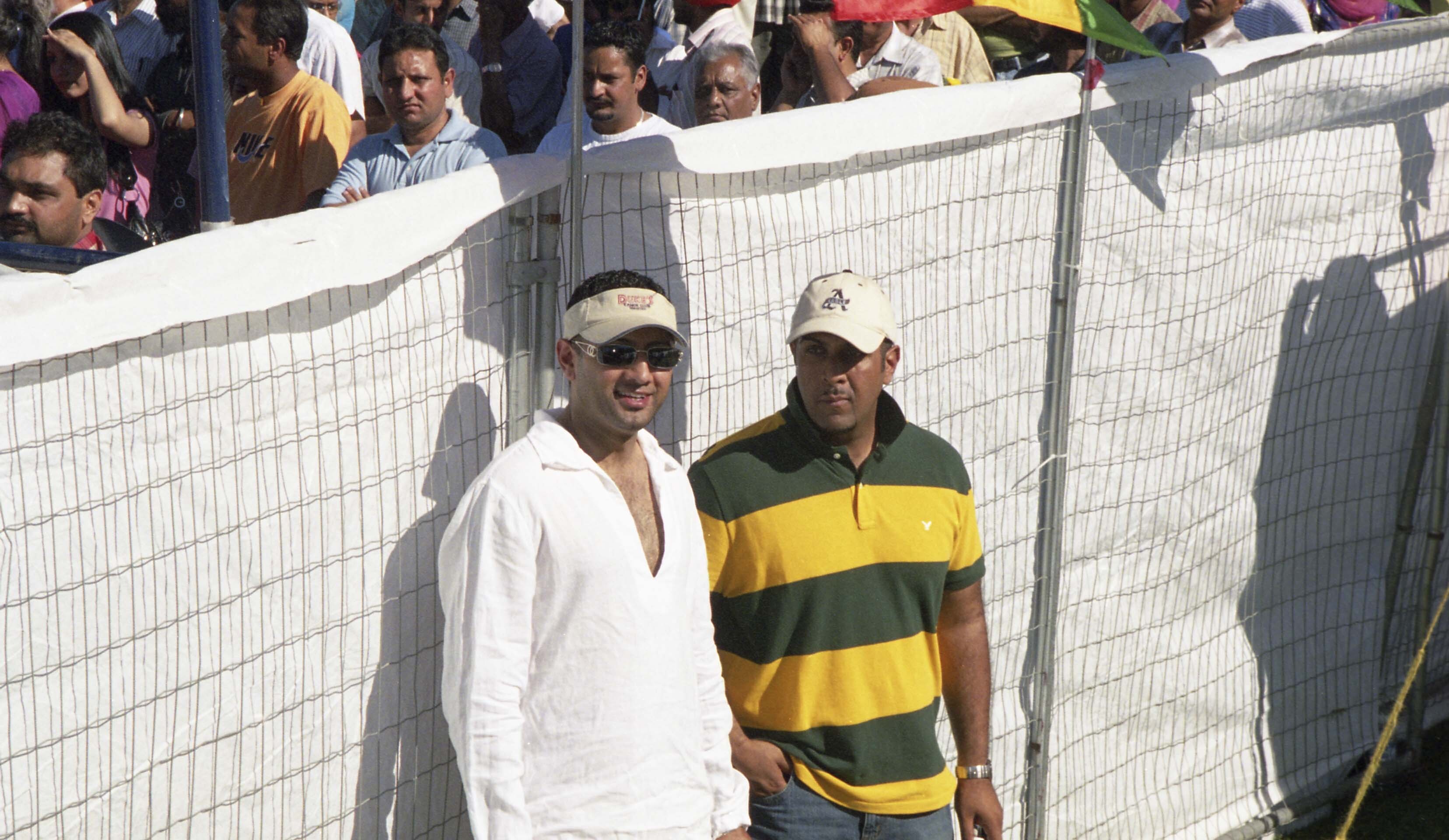
Photograph of two unidentified men at Mela Ghadri Babeya Da held at Bear Creek Park in Surrey, B.C.
Mela Ghadri Babeya Da, sponsored by Prof. Mohan Singh Memorial Foundation (Canada), is a festival dedicated to the memory of South Asians on the Komagata Maru ship who were turned away from Vancouver, as well as the Ghadar movement and Indian freedom fighters. The festival also commemorates and celebrates the Gadri Babai, immigrants from Panjab who fought for the end of colonialism in South Asia.
The Professor Mohan Singh Memorial Foundation of Canada is a secular human rights organization based in Greater Vancouver, B.C.. The Professor Mohan Singh Memorial Foundation has advocated to recognize and help address the historic wrongs committed against South Asian migrants who were denied access to Canada over the past century (with particular focus on the Komagata Maru tragedy). In the years since, the Foundation has fought for justice and human rights for all Canadians, and marginalized communities everywhere. The foundation holds 'Mela Gadri Babiyan Da' at Bear Creek Park in Surrey, B.C., the first weekend of August each year. This is the largest event of its kind outside of India.
2024_19_738_022-Service File.jpg
Download
Member of
Creator: Bodalia, Chandra
Description
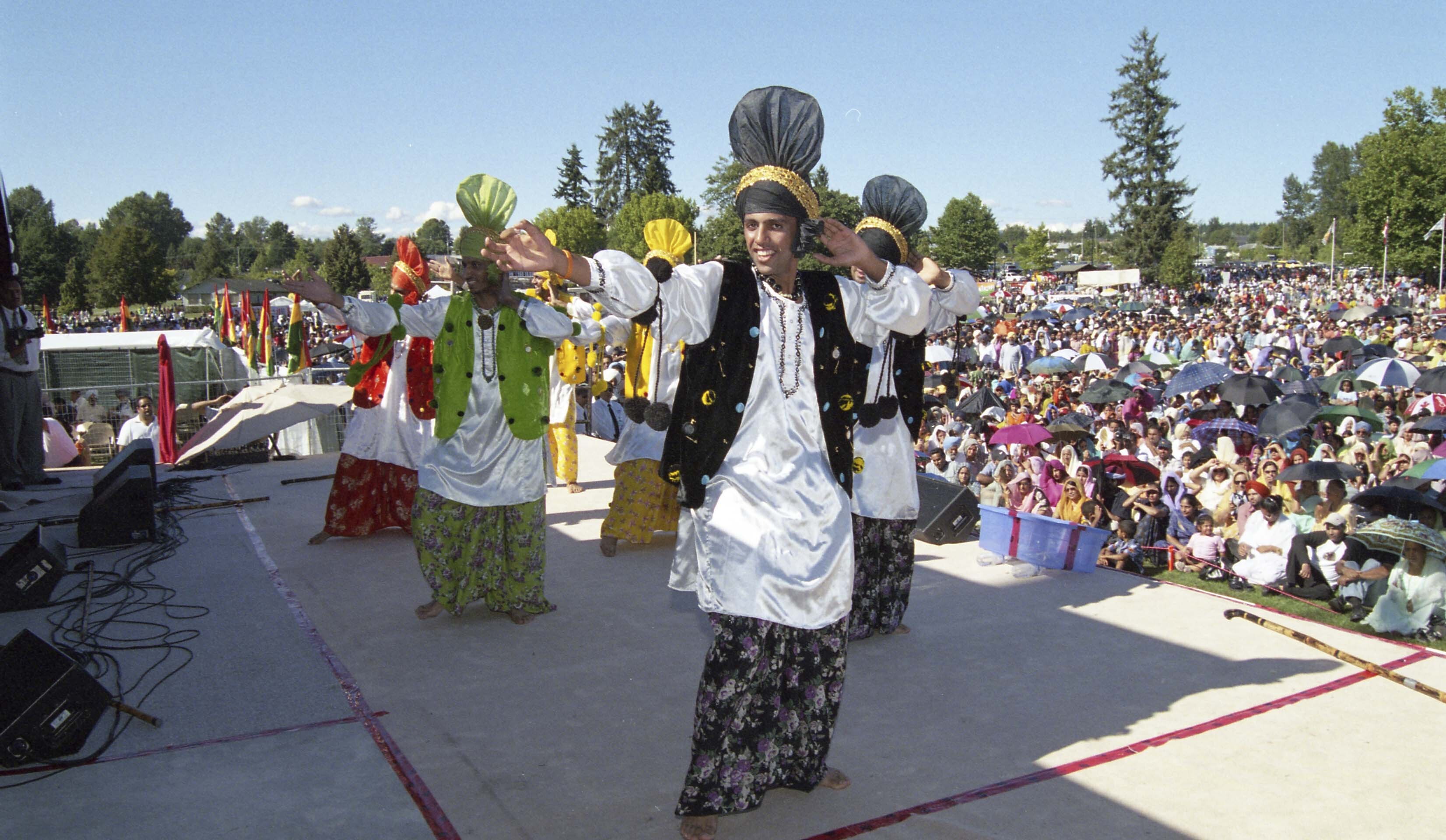
Photograph of a bhangra performance at Mela Ghadri Babeya Da held at Bear Creek Park in Surrey, B.C.
Mela Ghadri Babeya Da, sponsored by Prof. Mohan Singh Memorial Foundation (Canada), is a festival dedicated to the memory of South Asians on the Komagata Maru ship who were turned away from Vancouver, as well as the Ghadar movement and Indian freedom fighters. The festival also commemorates and celebrates the Gadri Babai, immigrants from Panjab who fought for the end of colonialism in South Asia.
The Professor Mohan Singh Memorial Foundation of Canada is a secular human rights organization based in Greater Vancouver, B.C.. The Professor Mohan Singh Memorial Foundation has advocated to recognize and help address the historic wrongs committed against South Asian migrants who were denied access to Canada over the past century (with particular focus on the Komagata Maru tragedy). In the years since, the Foundation has fought for justice and human rights for all Canadians, and marginalized communities everywhere. The foundation holds 'Mela Gadri Babiyan Da' at Bear Creek Park in Surrey, B.C., the first weekend of August each year. This is the largest event of its kind outside of India.
2024_19_738_021-Service File.jpg
Download
Member of
Creator: Bodalia, Chandra
Description
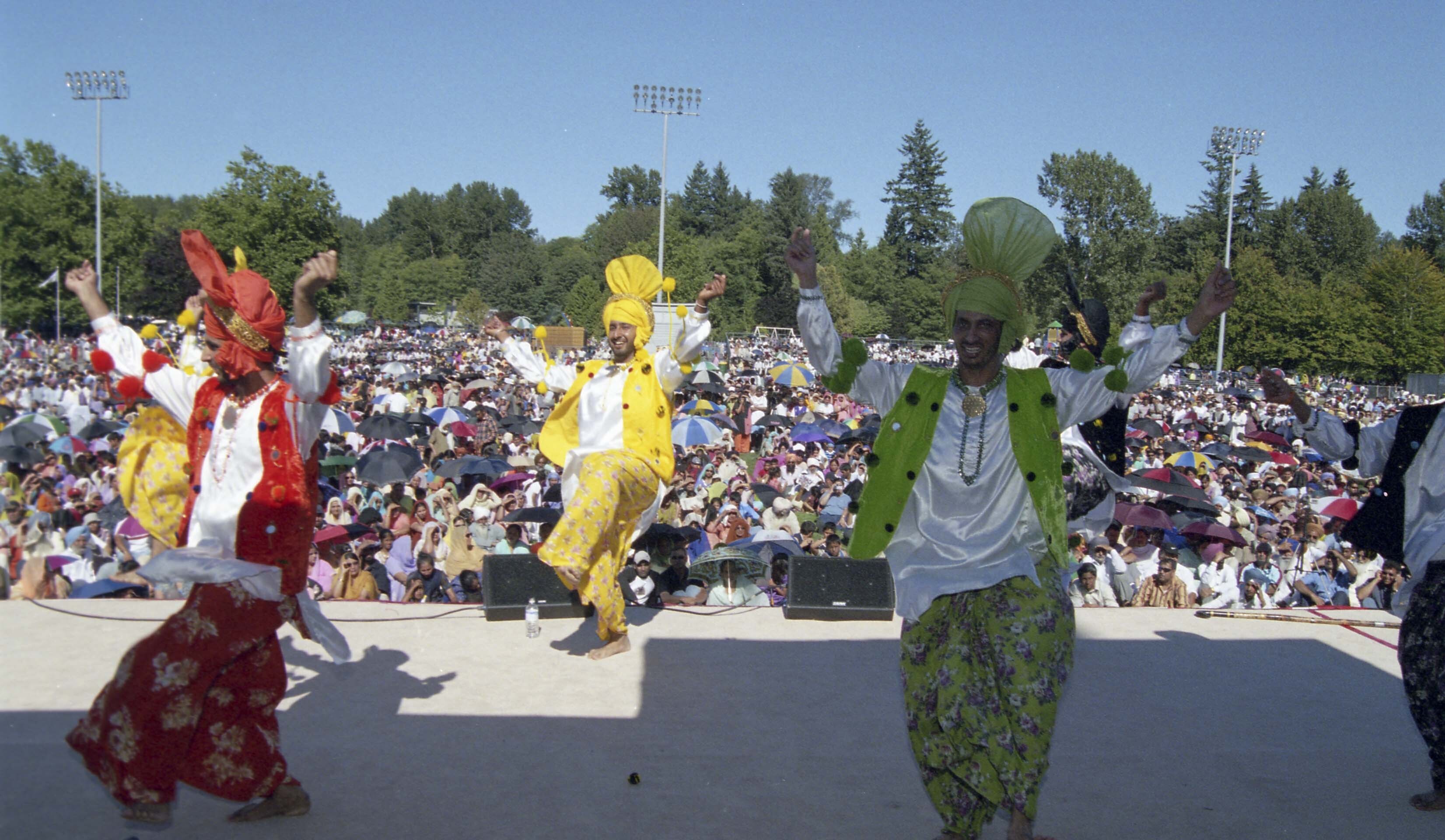
Photograph of a bhangra performance at Mela Ghadri Babeya Da held at Bear Creek Park in Surrey, B.C.
Mela Ghadri Babeya Da, sponsored by Prof. Mohan Singh Memorial Foundation (Canada), is a festival dedicated to the memory of South Asians on the Komagata Maru ship who were turned away from Vancouver, as well as the Ghadar movement and Indian freedom fighters. The festival also commemorates and celebrates the Gadri Babai, immigrants from Panjab who fought for the end of colonialism in South Asia.
The Professor Mohan Singh Memorial Foundation of Canada is a secular human rights organization based in Greater Vancouver, B.C.. The Professor Mohan Singh Memorial Foundation has advocated to recognize and help address the historic wrongs committed against South Asian migrants who were denied access to Canada over the past century (with particular focus on the Komagata Maru tragedy). In the years since, the Foundation has fought for justice and human rights for all Canadians, and marginalized communities everywhere. The foundation holds 'Mela Gadri Babiyan Da' at Bear Creek Park in Surrey, B.C., the first weekend of August each year. This is the largest event of its kind outside of India.
Mela Ghadri Babeya Da, sponsored by Prof. Mohan Singh Memorial Foundation (Canada), is a festival dedicated to the memory of South Asians on the Komagata Maru ship who were turned away from Vancouver, as well as the Ghadar movement and Indian freedom fighters. The festival also commemorates and celebrates the Gadri Babai, immigrants from Panjab who fought for the end of colonialism in South Asia.
The Professor Mohan Singh Memorial Foundation of Canada is a secular human rights organization based in Greater Vancouver, B.C.. The Professor Mohan Singh Memorial Foundation has advocated to recognize and help address the historic wrongs committed against South Asian migrants who were denied access to Canada over the past century (with particular focus on the Komagata Maru tragedy). In the years since, the Foundation has fought for justice and human rights for all Canadians, and marginalized communities everywhere. The foundation holds 'Mela Gadri Babiyan Da' at Bear Creek Park in Surrey, B.C., the first weekend of August each year. This is the largest event of its kind outside of India.
2024_19_738_020-Service File.jpg
Download
Member of
Creator: Bodalia, Chandra
Description
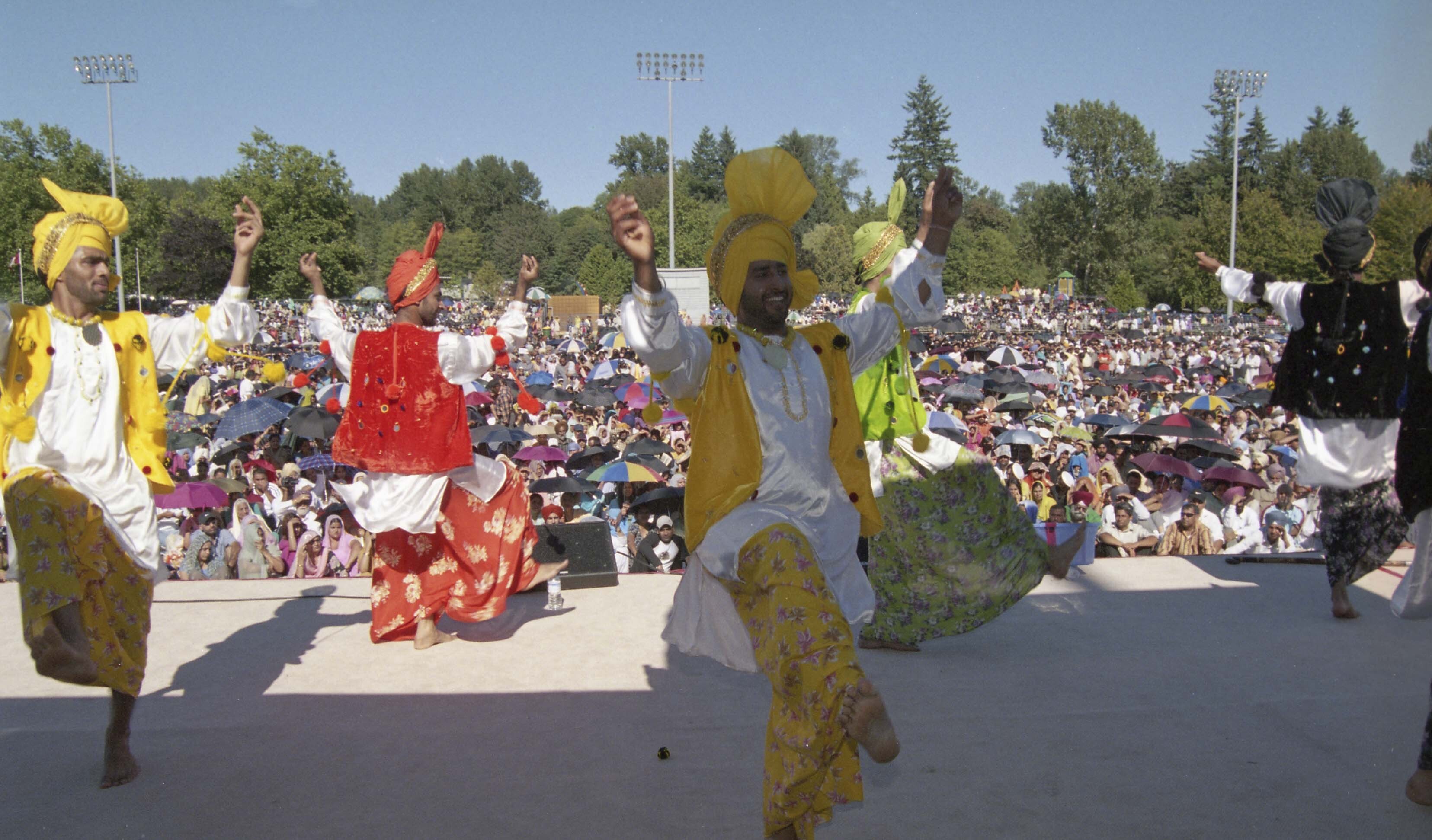
Photograph of a bhangra performance at Mela Ghadri Babeya Da held at Bear Creek Park in Surrey, B.C.
Mela Ghadri Babeya Da, sponsored by Prof. Mohan Singh Memorial Foundation (Canada), is a festival dedicated to the memory of South Asians on the Komagata Maru ship who were turned away from Vancouver, as well as the Ghadar movement and Indian freedom fighters. The festival also commemorates and celebrates the Gadri Babai, immigrants from Panjab who fought for the end of colonialism in South Asia.
The Professor Mohan Singh Memorial Foundation of Canada is a secular human rights organization based in Greater Vancouver, B.C.. The Professor Mohan Singh Memorial Foundation has advocated to recognize and help address the historic wrongs committed against South Asian migrants who were denied access to Canada over the past century (with particular focus on the Komagata Maru tragedy). In the years since, the Foundation has fought for justice and human rights for all Canadians, and marginalized communities everywhere. The foundation holds 'Mela Gadri Babiyan Da' at Bear Creek Park in Surrey, B.C., the first weekend of August each year. This is the largest event of its kind outside of India.
Mela Ghadri Babeya Da, sponsored by Prof. Mohan Singh Memorial Foundation (Canada), is a festival dedicated to the memory of South Asians on the Komagata Maru ship who were turned away from Vancouver, as well as the Ghadar movement and Indian freedom fighters. The festival also commemorates and celebrates the Gadri Babai, immigrants from Panjab who fought for the end of colonialism in South Asia.
The Professor Mohan Singh Memorial Foundation of Canada is a secular human rights organization based in Greater Vancouver, B.C.. The Professor Mohan Singh Memorial Foundation has advocated to recognize and help address the historic wrongs committed against South Asian migrants who were denied access to Canada over the past century (with particular focus on the Komagata Maru tragedy). In the years since, the Foundation has fought for justice and human rights for all Canadians, and marginalized communities everywhere. The foundation holds 'Mela Gadri Babiyan Da' at Bear Creek Park in Surrey, B.C., the first weekend of August each year. This is the largest event of its kind outside of India.
2024_19_738_019-Service File.jpg
Download
Member of
Creator: Bodalia, Chandra
Description
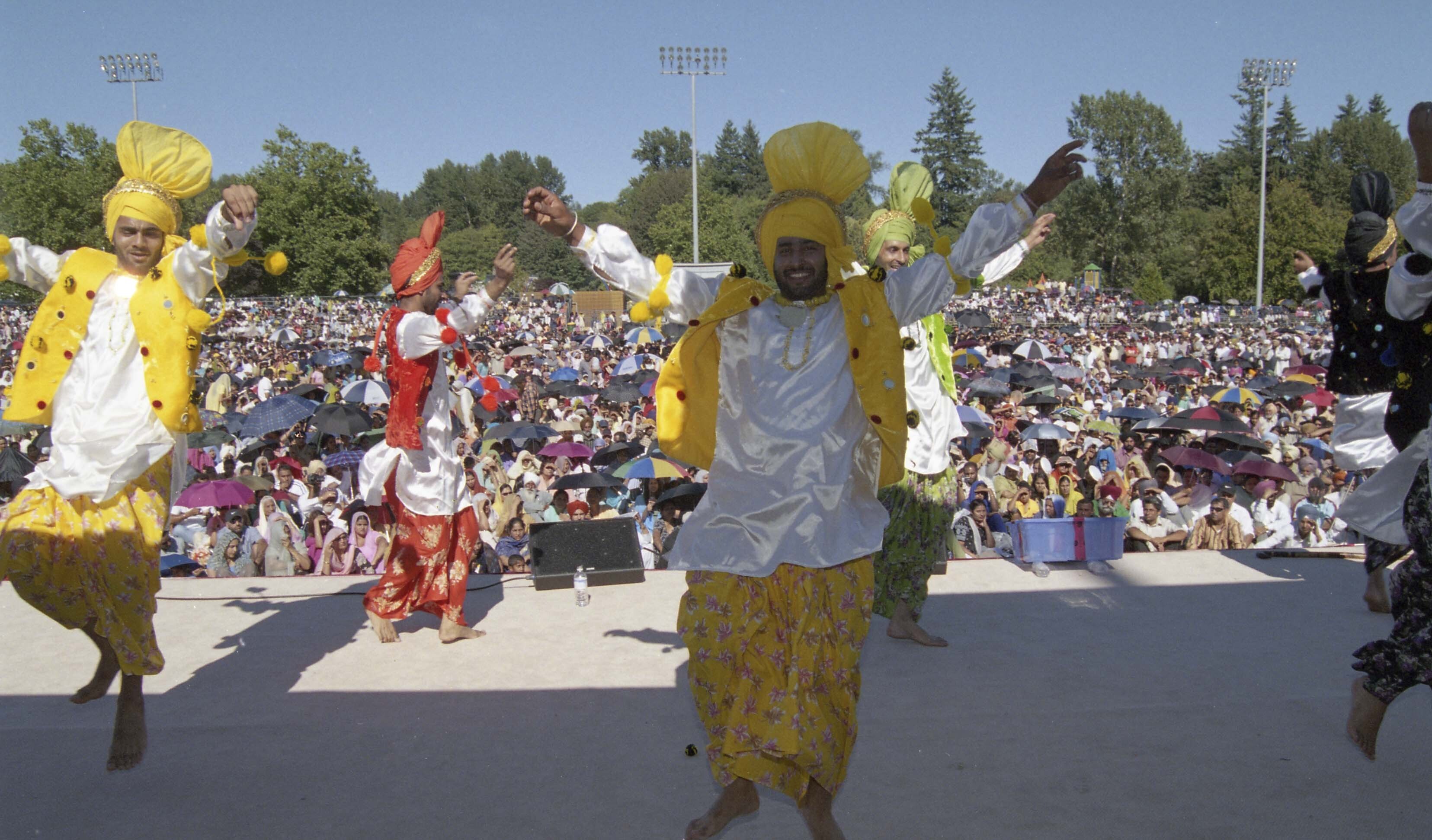
Photograph of a bhangra performance at Mela Ghadri Babeya Da held at Bear Creek Park in Surrey, B.C.
Mela Ghadri Babeya Da, sponsored by Prof. Mohan Singh Memorial Foundation (Canada), is a festival dedicated to the memory of South Asians on the Komagata Maru ship who were turned away from Vancouver, as well as the Ghadar movement and Indian freedom fighters. The festival also commemorates and celebrates the Gadri Babai, immigrants from Panjab who fought for the end of colonialism in South Asia.
The Professor Mohan Singh Memorial Foundation of Canada is a secular human rights organization based in Greater Vancouver, B.C.. The Professor Mohan Singh Memorial Foundation has advocated to recognize and help address the historic wrongs committed against South Asian migrants who were denied access to Canada over the past century (with particular focus on the Komagata Maru tragedy). In the years since, the Foundation has fought for justice and human rights for all Canadians, and marginalized communities everywhere. The foundation holds 'Mela Gadri Babiyan Da' at Bear Creek Park in Surrey, B.C., the first weekend of August each year. This is the largest event of its kind outside of India.
Mela Ghadri Babeya Da, sponsored by Prof. Mohan Singh Memorial Foundation (Canada), is a festival dedicated to the memory of South Asians on the Komagata Maru ship who were turned away from Vancouver, as well as the Ghadar movement and Indian freedom fighters. The festival also commemorates and celebrates the Gadri Babai, immigrants from Panjab who fought for the end of colonialism in South Asia.
The Professor Mohan Singh Memorial Foundation of Canada is a secular human rights organization based in Greater Vancouver, B.C.. The Professor Mohan Singh Memorial Foundation has advocated to recognize and help address the historic wrongs committed against South Asian migrants who were denied access to Canada over the past century (with particular focus on the Komagata Maru tragedy). In the years since, the Foundation has fought for justice and human rights for all Canadians, and marginalized communities everywhere. The foundation holds 'Mela Gadri Babiyan Da' at Bear Creek Park in Surrey, B.C., the first weekend of August each year. This is the largest event of its kind outside of India.
2024_19_738_018-Service File.jpg
Download
Member of
Creator: Bodalia, Chandra
Description
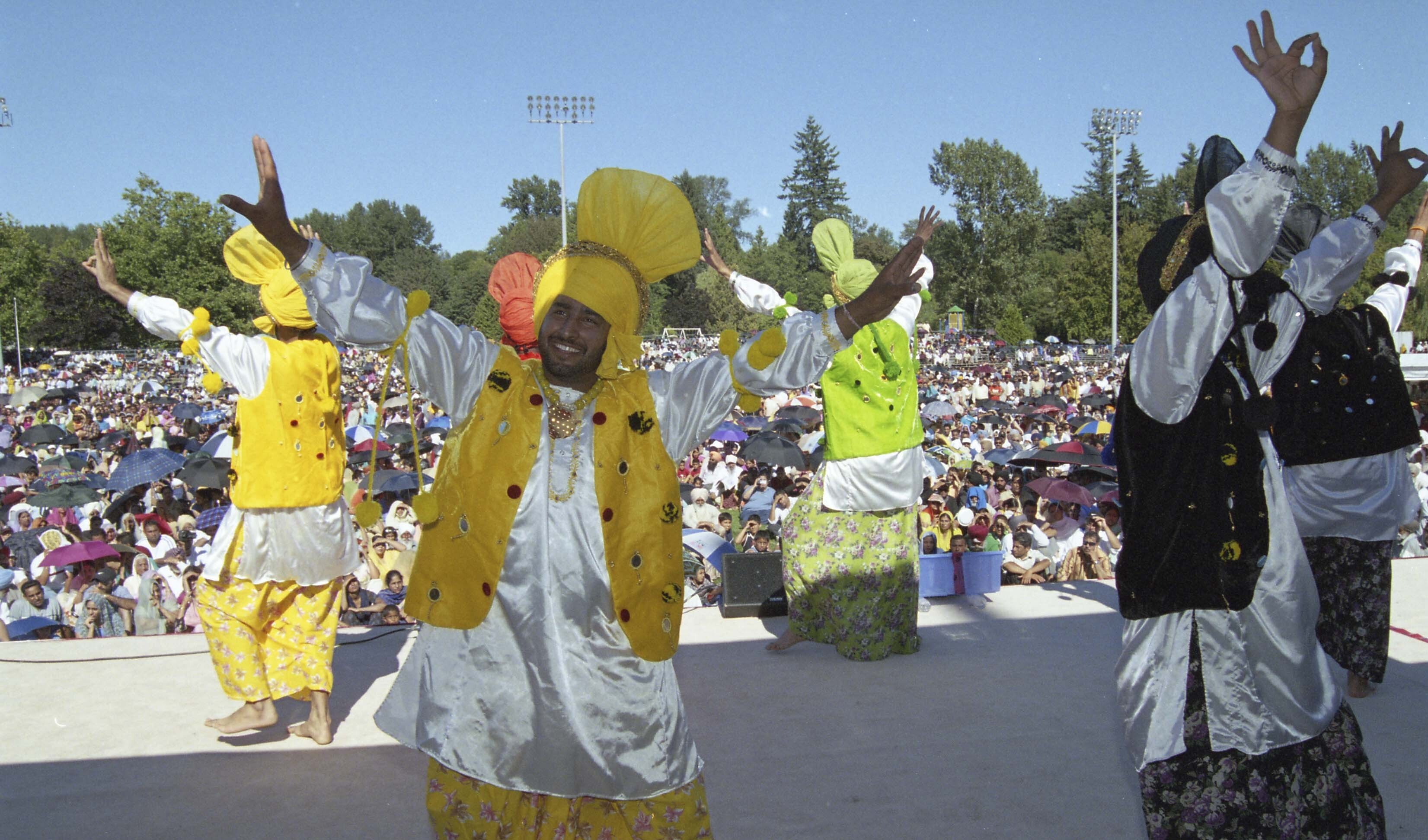
Photograph of a bhangra performance at Mela Ghadri Babeya Da held at Bear Creek Park in Surrey, B.C.
Mela Ghadri Babeya Da, sponsored by Prof. Mohan Singh Memorial Foundation (Canada), is a festival dedicated to the memory of South Asians on the Komagata Maru ship who were turned away from Vancouver, as well as the Ghadar movement and Indian freedom fighters. The festival also commemorates and celebrates the Gadri Babai, immigrants from Panjab who fought for the end of colonialism in South Asia.
The Professor Mohan Singh Memorial Foundation of Canada is a secular human rights organization based in Greater Vancouver, B.C.. The Professor Mohan Singh Memorial Foundation has advocated to recognize and help address the historic wrongs committed against South Asian migrants who were denied access to Canada over the past century (with particular focus on the Komagata Maru tragedy). In the years since, the Foundation has fought for justice and human rights for all Canadians, and marginalized communities everywhere. The foundation holds 'Mela Gadri Babiyan Da' at Bear Creek Park in Surrey, B.C., the first weekend of August each year. This is the largest event of its kind outside of India.
Mela Ghadri Babeya Da, sponsored by Prof. Mohan Singh Memorial Foundation (Canada), is a festival dedicated to the memory of South Asians on the Komagata Maru ship who were turned away from Vancouver, as well as the Ghadar movement and Indian freedom fighters. The festival also commemorates and celebrates the Gadri Babai, immigrants from Panjab who fought for the end of colonialism in South Asia.
The Professor Mohan Singh Memorial Foundation of Canada is a secular human rights organization based in Greater Vancouver, B.C.. The Professor Mohan Singh Memorial Foundation has advocated to recognize and help address the historic wrongs committed against South Asian migrants who were denied access to Canada over the past century (with particular focus on the Komagata Maru tragedy). In the years since, the Foundation has fought for justice and human rights for all Canadians, and marginalized communities everywhere. The foundation holds 'Mela Gadri Babiyan Da' at Bear Creek Park in Surrey, B.C., the first weekend of August each year. This is the largest event of its kind outside of India.
2024_19_738_016-Service File.jpg
Download
Member of
Creator: Bodalia, Chandra
Description
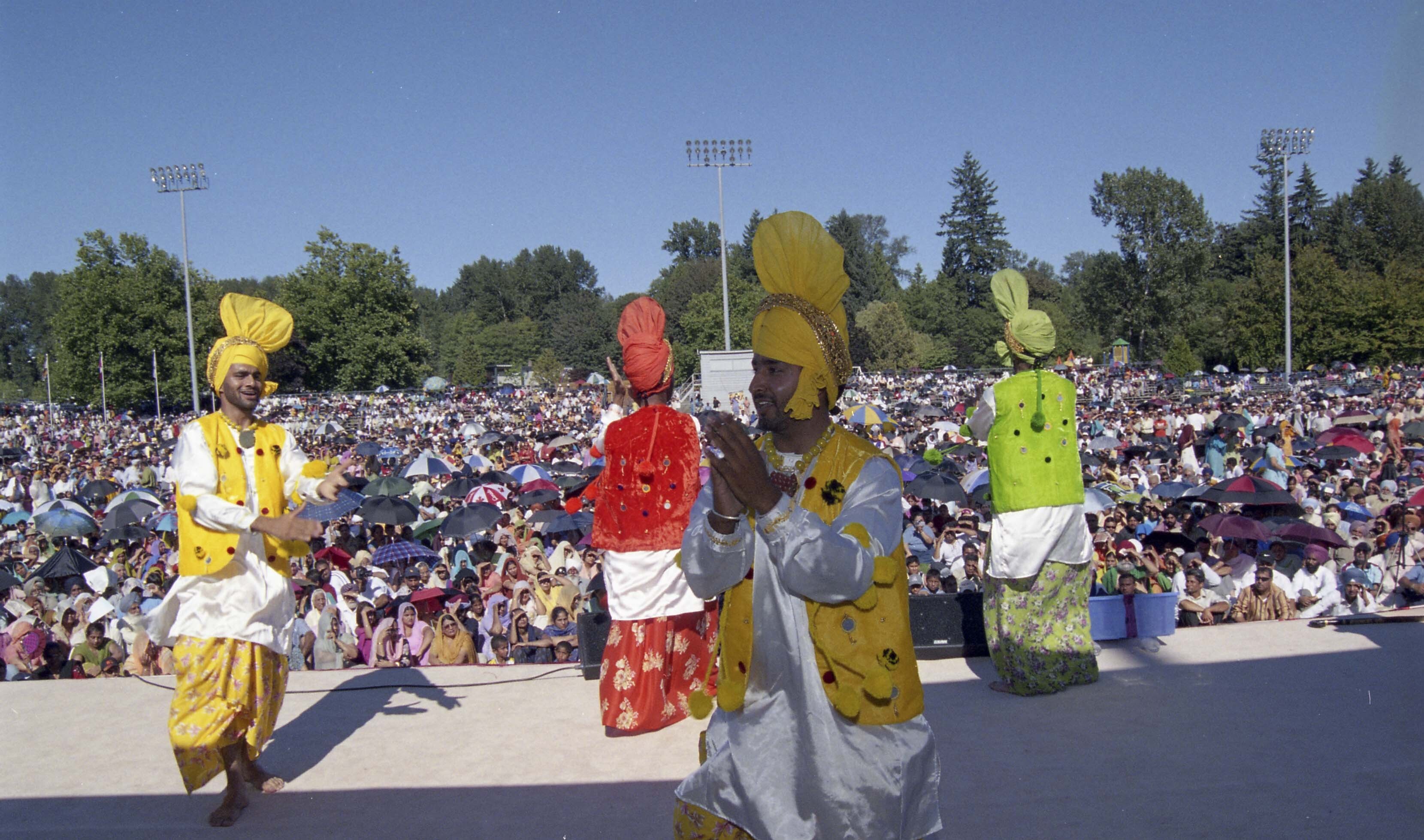
Photograph of a bhangra performance at Mela Ghadri Babeya Da held at Bear Creek Park in Surrey, B.C.
Mela Ghadri Babeya Da, sponsored by Prof. Mohan Singh Memorial Foundation (Canada), is a festival dedicated to the memory of South Asians on the Komagata Maru ship who were turned away from Vancouver, as well as the Ghadar movement and Indian freedom fighters. The festival also commemorates and celebrates the Gadri Babai, immigrants from Panjab who fought for the end of colonialism in South Asia.
The Professor Mohan Singh Memorial Foundation of Canada is a secular human rights organization based in Greater Vancouver, B.C.. The Professor Mohan Singh Memorial Foundation has advocated to recognize and help address the historic wrongs committed against South Asian migrants who were denied access to Canada over the past century (with particular focus on the Komagata Maru tragedy). In the years since, the Foundation has fought for justice and human rights for all Canadians, and marginalized communities everywhere. The foundation holds 'Mela Gadri Babiyan Da' at Bear Creek Park in Surrey, B.C., the first weekend of August each year. This is the largest event of its kind outside of India.
Mela Ghadri Babeya Da, sponsored by Prof. Mohan Singh Memorial Foundation (Canada), is a festival dedicated to the memory of South Asians on the Komagata Maru ship who were turned away from Vancouver, as well as the Ghadar movement and Indian freedom fighters. The festival also commemorates and celebrates the Gadri Babai, immigrants from Panjab who fought for the end of colonialism in South Asia.
The Professor Mohan Singh Memorial Foundation of Canada is a secular human rights organization based in Greater Vancouver, B.C.. The Professor Mohan Singh Memorial Foundation has advocated to recognize and help address the historic wrongs committed against South Asian migrants who were denied access to Canada over the past century (with particular focus on the Komagata Maru tragedy). In the years since, the Foundation has fought for justice and human rights for all Canadians, and marginalized communities everywhere. The foundation holds 'Mela Gadri Babiyan Da' at Bear Creek Park in Surrey, B.C., the first weekend of August each year. This is the largest event of its kind outside of India.