
Kathak (Dance)
Creator: Bodalia, Chandra
Description
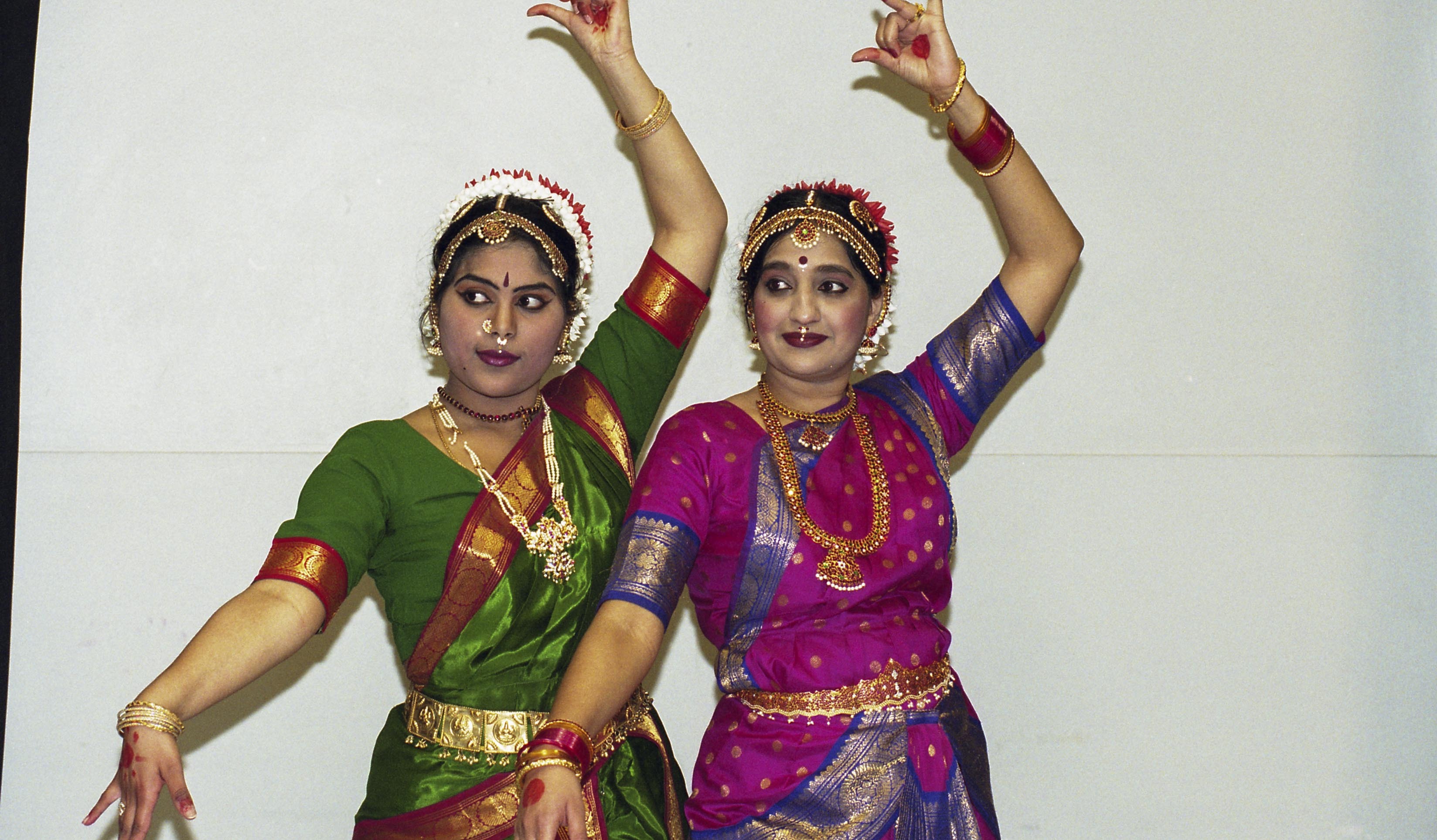
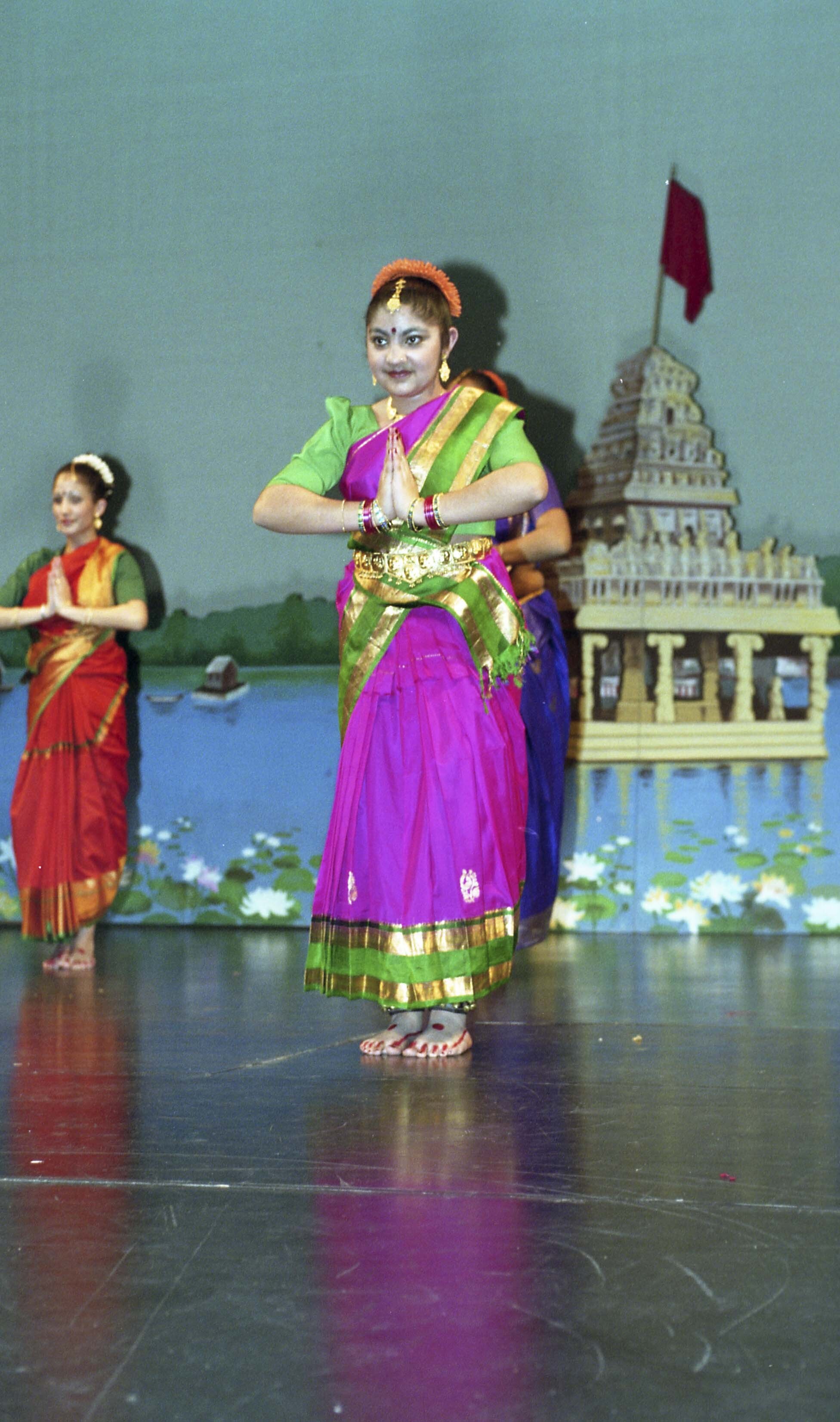
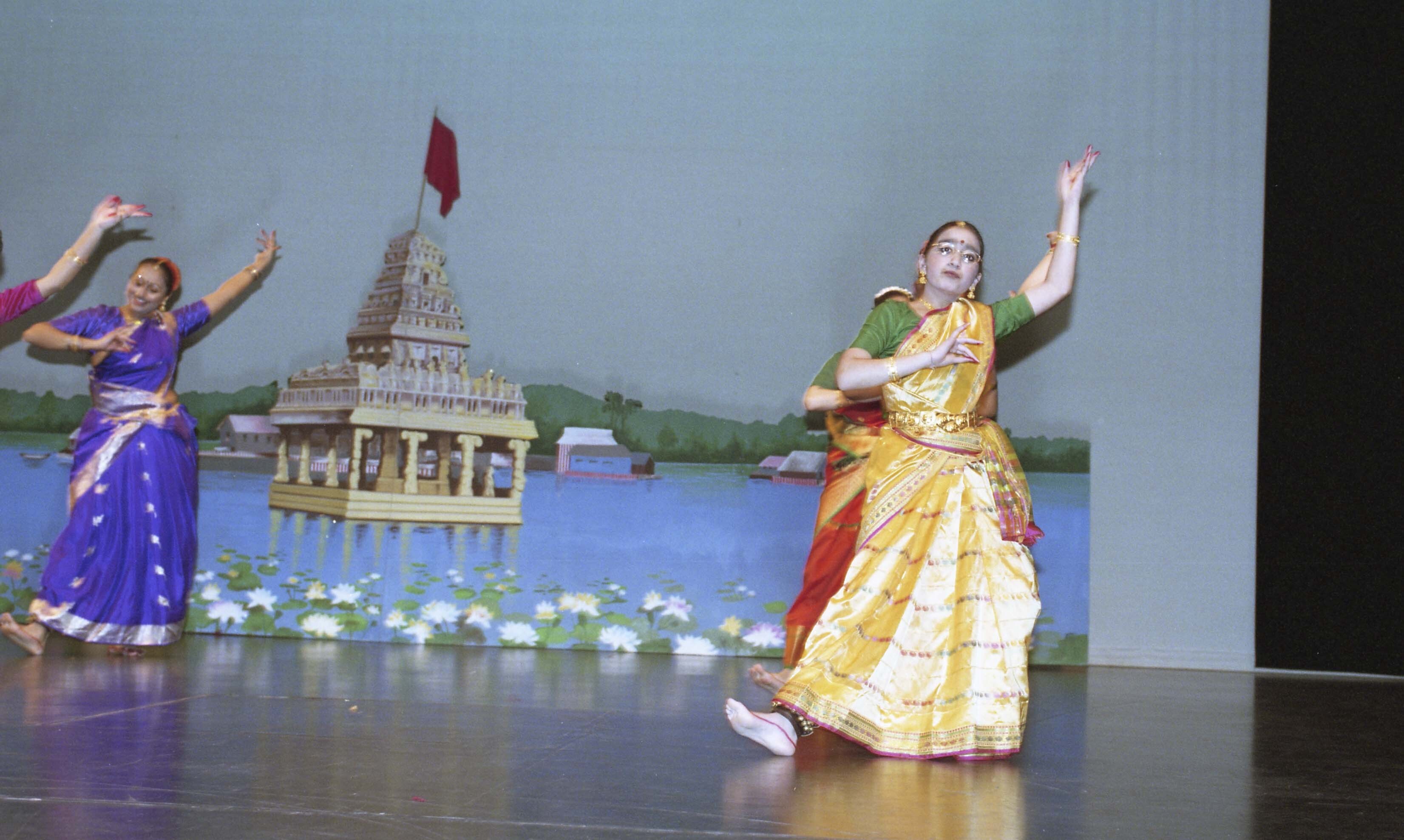
Photograph of two kathak dancers posing at a Ugadi celebration organized by South Indian Community of Greater Vancouver, and held at the Michael J Fox Theatre in Burnaby, B.C. The event features dance performances from the Nritya Manjaree School of Kathak.
Ugadi is a Hindu festival that celebrates the new year in the Indian states of Andhra Pradesh, Telangana, and Karnataka, and it marks the beginning of the Hindu calendar cycle. It is celebrated on the first day of the Hindu month of Chaitra (March-April), and it follows the South Indian Amavasyant calendar rather than the North Indian Purnimant calendar; in the former, the months end on the day of the new moon. Ugadi is a joyous celebrations, which features bathing to begin the day, applying oil to the body, adorning new clothes, and offering pooja.
Nritya Manjaree School of Kathak was established in 1978 by Madhu Khare. Khare is a gifted dancer and obtained her Bachelor in Kathak in 1965 from the University of Bhat Khande, Lucknow, India. She also received higher training from various Gurus in India, such as Shambhu Maharaj, and has performed in cities in India and Canada. The Nritya Manjaree School of Kathak is located in Delta, B.C.
Kathak is one of the eight major forms of Indian classical dance. Derived from the Sanskrit word kathakar, meaning "storyteller," it refers to the nomadic performers who narrated the tales of Mahabharata and the Ramayana through dance, music, and gestures. It is characterized by its extensive footwork, precise hand and body movements, flexibility, and facial expressions, which all comes together to tell a story.
The Michael J Fox Theatre is located in Burnaby South Secondary School in B.C. Burnaby South Secondary School is one of eight secondary schools within the Burnaby School District, in south central Burnaby. Built as part of the school in 1993, the Michael J Fox Theatre is overseen by an independent, non-profit society. The Michael J Fox Theatre Society Board consists of community volunteers and functions independently of the Burnaby School Board. In November 1995, the Theatre was officially named after Michael J. Fox, in recognition of his achievements in the arts and commitment to the community.
Ugadi is a Hindu festival that celebrates the new year in the Indian states of Andhra Pradesh, Telangana, and Karnataka, and it marks the beginning of the Hindu calendar cycle. It is celebrated on the first day of the Hindu month of Chaitra (March-April), and it follows the South Indian Amavasyant calendar rather than the North Indian Purnimant calendar; in the former, the months end on the day of the new moon. Ugadi is a joyous celebrations, which features bathing to begin the day, applying oil to the body, adorning new clothes, and offering pooja.
Nritya Manjaree School of Kathak was established in 1978 by Madhu Khare. Khare is a gifted dancer and obtained her Bachelor in Kathak in 1965 from the University of Bhat Khande, Lucknow, India. She also received higher training from various Gurus in India, such as Shambhu Maharaj, and has performed in cities in India and Canada. The Nritya Manjaree School of Kathak is located in Delta, B.C.
Kathak is one of the eight major forms of Indian classical dance. Derived from the Sanskrit word kathakar, meaning "storyteller," it refers to the nomadic performers who narrated the tales of Mahabharata and the Ramayana through dance, music, and gestures. It is characterized by its extensive footwork, precise hand and body movements, flexibility, and facial expressions, which all comes together to tell a story.
The Michael J Fox Theatre is located in Burnaby South Secondary School in B.C. Burnaby South Secondary School is one of eight secondary schools within the Burnaby School District, in south central Burnaby. Built as part of the school in 1993, the Michael J Fox Theatre is overseen by an independent, non-profit society. The Michael J Fox Theatre Society Board consists of community volunteers and functions independently of the Burnaby School Board. In November 1995, the Theatre was officially named after Michael J. Fox, in recognition of his achievements in the arts and commitment to the community.
Creator: Bodalia, Chandra
Description
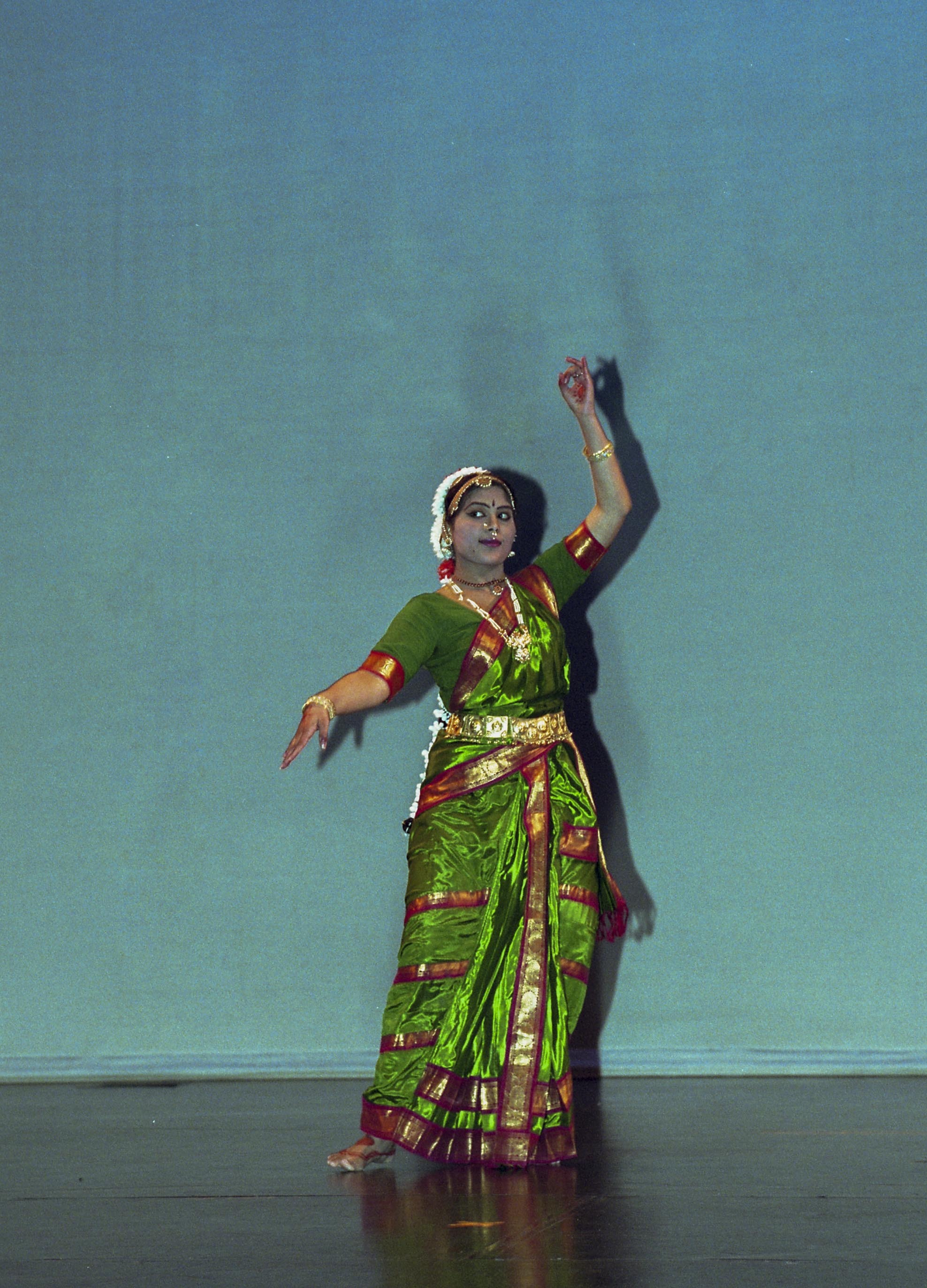
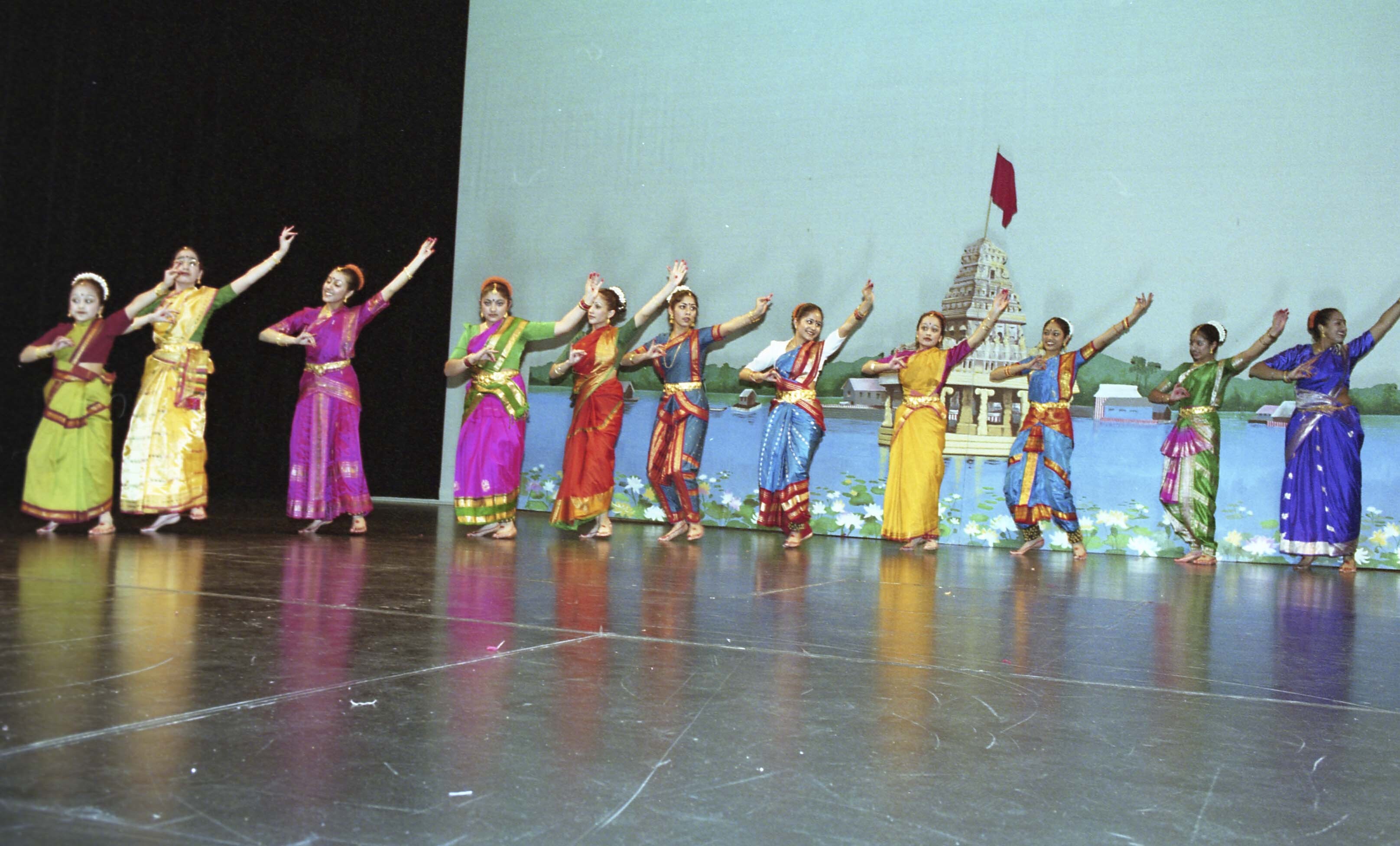
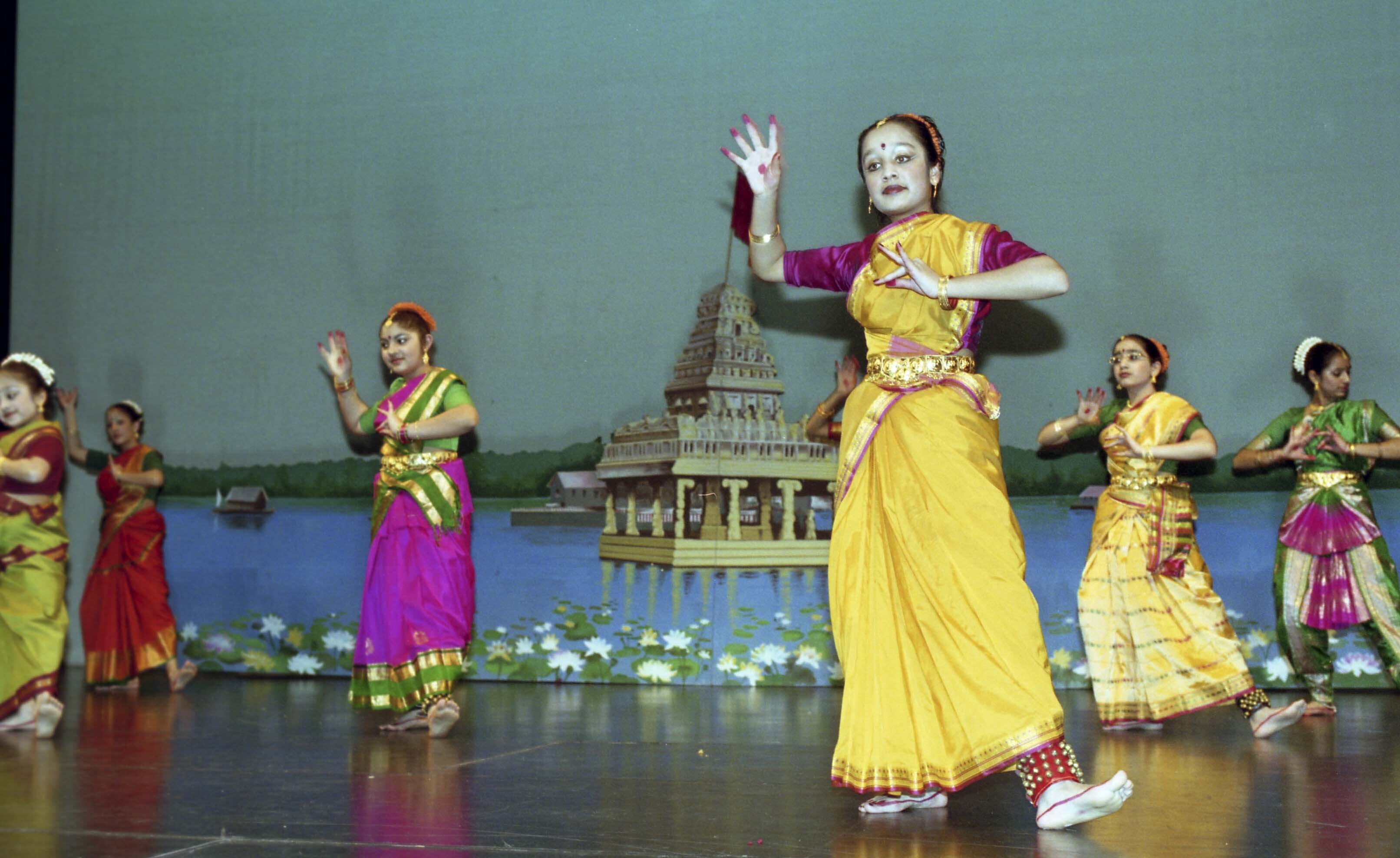
Photograph of a kathak dancer performing at a Ugadi celebration organized by South Indian Community of Greater Vancouver, and held at the Michael J Fox Theatre in Burnaby, B.C. The event features dance performances from the Nritya Manjaree School of Kathak.
Ugadi is a Hindu festival that celebrates the new year in the Indian states of Andhra Pradesh, Telangana, and Karnataka, and it marks the beginning of the Hindu calendar cycle. It is celebrated on the first day of the Hindu month of Chaitra (March-April), and it follows the South Indian Amavasyant calendar rather than the North Indian Purnimant calendar; in the former, the months end on the day of the new moon. Ugadi is a joyous celebrations, which features bathing to begin the day, applying oil to the body, adorning new clothes, and offering pooja.
Nritya Manjaree School of Kathak was established in 1978 by Madhu Khare. Khare is a gifted dancer and obtained her Bachelor in Kathak in 1965 from the University of Bhat Khande, Lucknow, India. She also received higher training from various Gurus in India, such as Shambhu Maharaj, and has performed in cities in India and Canada. The Nritya Manjaree School of Kathak is located in Delta, B.C.
Kathak is one of the eight major forms of Indian classical dance. Derived from the Sanskrit word kathakar, meaning "storyteller," it refers to the nomadic performers who narrated the tales of Mahabharata and the Ramayana through dance, music, and gestures. It is characterized by its extensive footwork, precise hand and body movements, flexibility, and facial expressions, which all comes together to tell a story.
The Michael J Fox Theatre is located in Burnaby South Secondary School in B.C. Burnaby South Secondary School is one of eight secondary schools within the Burnaby School District, in south central Burnaby. Built as part of the school in 1993, the Michael J Fox Theatre is overseen by an independent, non-profit society. The Michael J Fox Theatre Society Board consists of community volunteers and functions independently of the Burnaby School Board. In November 1995, the Theatre was officially named after Michael J. Fox, in recognition of his achievements in the arts and commitment to the community.
Ugadi is a Hindu festival that celebrates the new year in the Indian states of Andhra Pradesh, Telangana, and Karnataka, and it marks the beginning of the Hindu calendar cycle. It is celebrated on the first day of the Hindu month of Chaitra (March-April), and it follows the South Indian Amavasyant calendar rather than the North Indian Purnimant calendar; in the former, the months end on the day of the new moon. Ugadi is a joyous celebrations, which features bathing to begin the day, applying oil to the body, adorning new clothes, and offering pooja.
Nritya Manjaree School of Kathak was established in 1978 by Madhu Khare. Khare is a gifted dancer and obtained her Bachelor in Kathak in 1965 from the University of Bhat Khande, Lucknow, India. She also received higher training from various Gurus in India, such as Shambhu Maharaj, and has performed in cities in India and Canada. The Nritya Manjaree School of Kathak is located in Delta, B.C.
Kathak is one of the eight major forms of Indian classical dance. Derived from the Sanskrit word kathakar, meaning "storyteller," it refers to the nomadic performers who narrated the tales of Mahabharata and the Ramayana through dance, music, and gestures. It is characterized by its extensive footwork, precise hand and body movements, flexibility, and facial expressions, which all comes together to tell a story.
The Michael J Fox Theatre is located in Burnaby South Secondary School in B.C. Burnaby South Secondary School is one of eight secondary schools within the Burnaby School District, in south central Burnaby. Built as part of the school in 1993, the Michael J Fox Theatre is overseen by an independent, non-profit society. The Michael J Fox Theatre Society Board consists of community volunteers and functions independently of the Burnaby School Board. In November 1995, the Theatre was officially named after Michael J. Fox, in recognition of his achievements in the arts and commitment to the community.
Creator: Bodalia, Chandra
Description
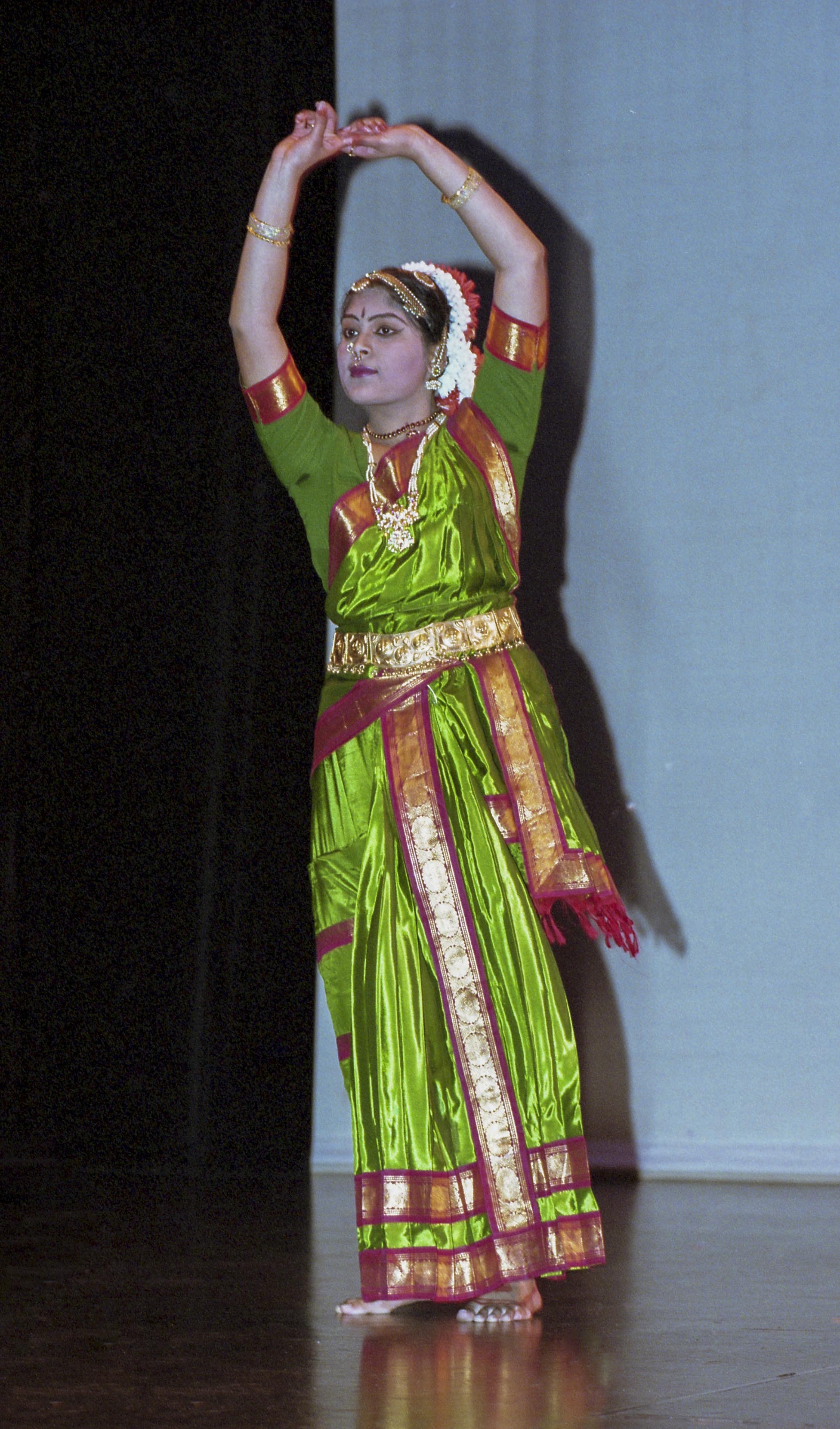
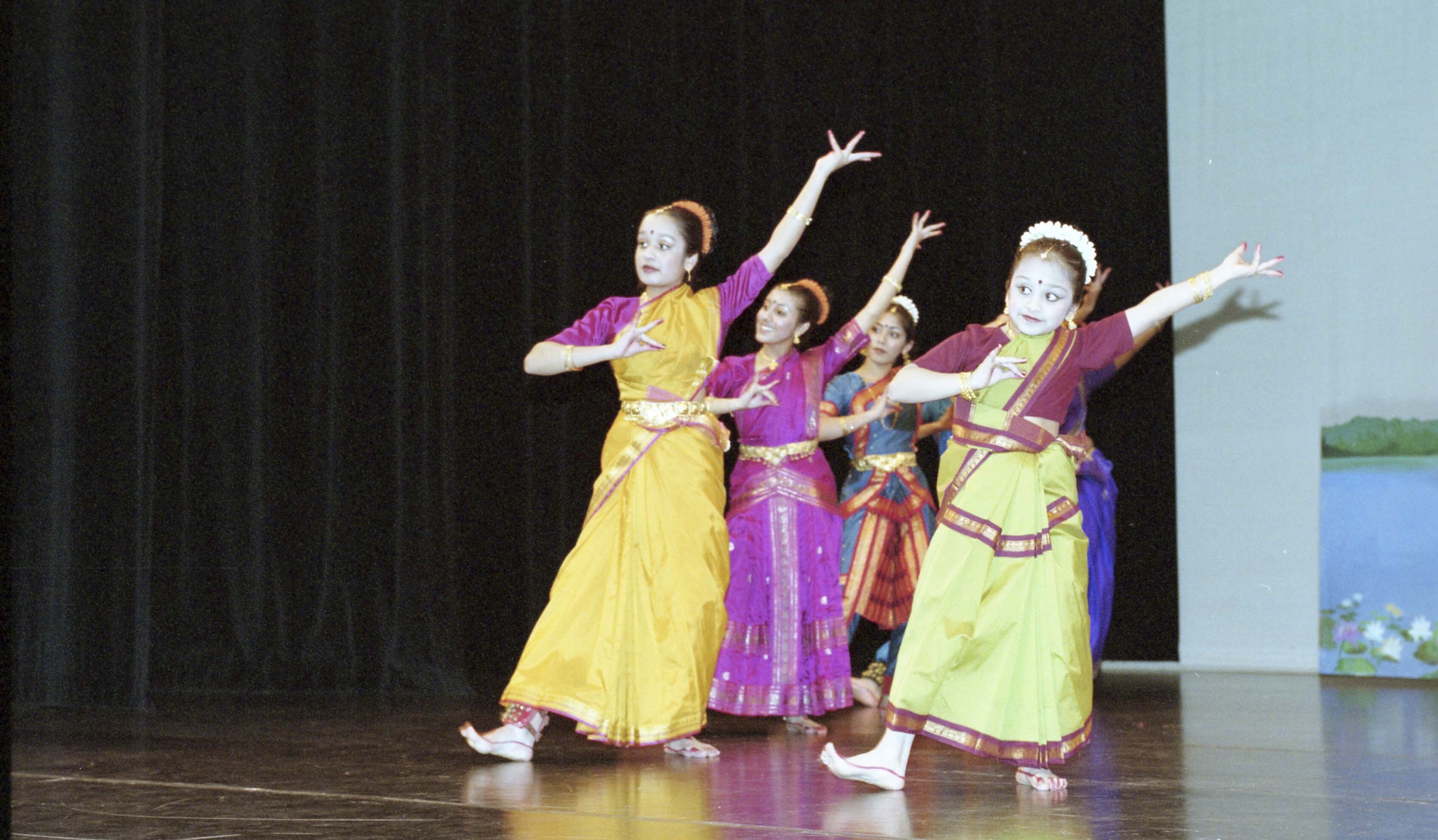
Photograph of a kathak dancer performing at a Ugadi celebration organized by South Indian Community of Greater Vancouver, and held at the Michael J Fox Theatre in Burnaby, B.C. The event features dance performances from the Nritya Manjaree School of Kathak.
Ugadi is a Hindu festival that celebrates the new year in the Indian states of Andhra Pradesh, Telangana, and Karnataka, and it marks the beginning of the Hindu calendar cycle. It is celebrated on the first day of the Hindu month of Chaitra (March-April), and it follows the South Indian Amavasyant calendar rather than the North Indian Purnimant calendar; in the former, the months end on the day of the new moon. Ugadi is a joyous celebrations, which features bathing to begin the day, applying oil to the body, adorning new clothes, and offering pooja.
Nritya Manjaree School of Kathak was established in 1978 by Madhu Khare. Khare is a gifted dancer and obtained her Bachelor in Kathak in 1965 from the University of Bhat Khande, Lucknow, India. She also received higher training from various Gurus in India, such as Shambhu Maharaj, and has performed in cities in India and Canada. The Nritya Manjaree School of Kathak is located in Delta, B.C.
Kathak is one of the eight major forms of Indian classical dance. Derived from the Sanskrit word kathakar, meaning "storyteller," it refers to the nomadic performers who narrated the tales of Mahabharata and the Ramayana through dance, music, and gestures. It is characterized by its extensive footwork, precise hand and body movements, flexibility, and facial expressions, which all comes together to tell a story.
The Michael J Fox Theatre is located in Burnaby South Secondary School in B.C. Burnaby South Secondary School is one of eight secondary schools within the Burnaby School District, in south central Burnaby. Built as part of the school in 1993, the Michael J Fox Theatre is overseen by an independent, non-profit society. The Michael J Fox Theatre Society Board consists of community volunteers and functions independently of the Burnaby School Board. In November 1995, the Theatre was officially named after Michael J. Fox, in recognition of his achievements in the arts and commitment to the community.
Ugadi is a Hindu festival that celebrates the new year in the Indian states of Andhra Pradesh, Telangana, and Karnataka, and it marks the beginning of the Hindu calendar cycle. It is celebrated on the first day of the Hindu month of Chaitra (March-April), and it follows the South Indian Amavasyant calendar rather than the North Indian Purnimant calendar; in the former, the months end on the day of the new moon. Ugadi is a joyous celebrations, which features bathing to begin the day, applying oil to the body, adorning new clothes, and offering pooja.
Nritya Manjaree School of Kathak was established in 1978 by Madhu Khare. Khare is a gifted dancer and obtained her Bachelor in Kathak in 1965 from the University of Bhat Khande, Lucknow, India. She also received higher training from various Gurus in India, such as Shambhu Maharaj, and has performed in cities in India and Canada. The Nritya Manjaree School of Kathak is located in Delta, B.C.
Kathak is one of the eight major forms of Indian classical dance. Derived from the Sanskrit word kathakar, meaning "storyteller," it refers to the nomadic performers who narrated the tales of Mahabharata and the Ramayana through dance, music, and gestures. It is characterized by its extensive footwork, precise hand and body movements, flexibility, and facial expressions, which all comes together to tell a story.
The Michael J Fox Theatre is located in Burnaby South Secondary School in B.C. Burnaby South Secondary School is one of eight secondary schools within the Burnaby School District, in south central Burnaby. Built as part of the school in 1993, the Michael J Fox Theatre is overseen by an independent, non-profit society. The Michael J Fox Theatre Society Board consists of community volunteers and functions independently of the Burnaby School Board. In November 1995, the Theatre was officially named after Michael J. Fox, in recognition of his achievements in the arts and commitment to the community.
Creator: Bodalia, Chandra
Description
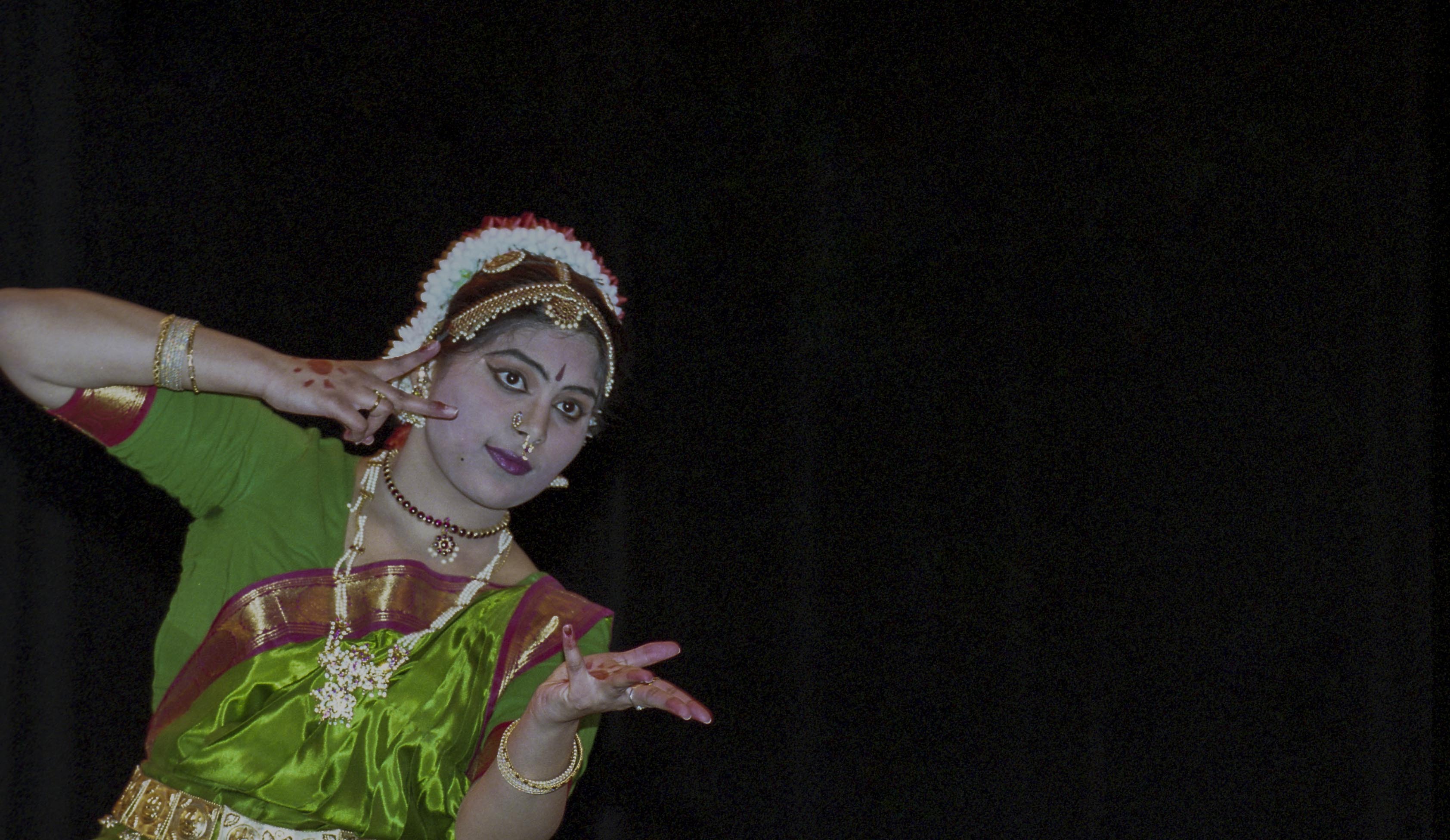
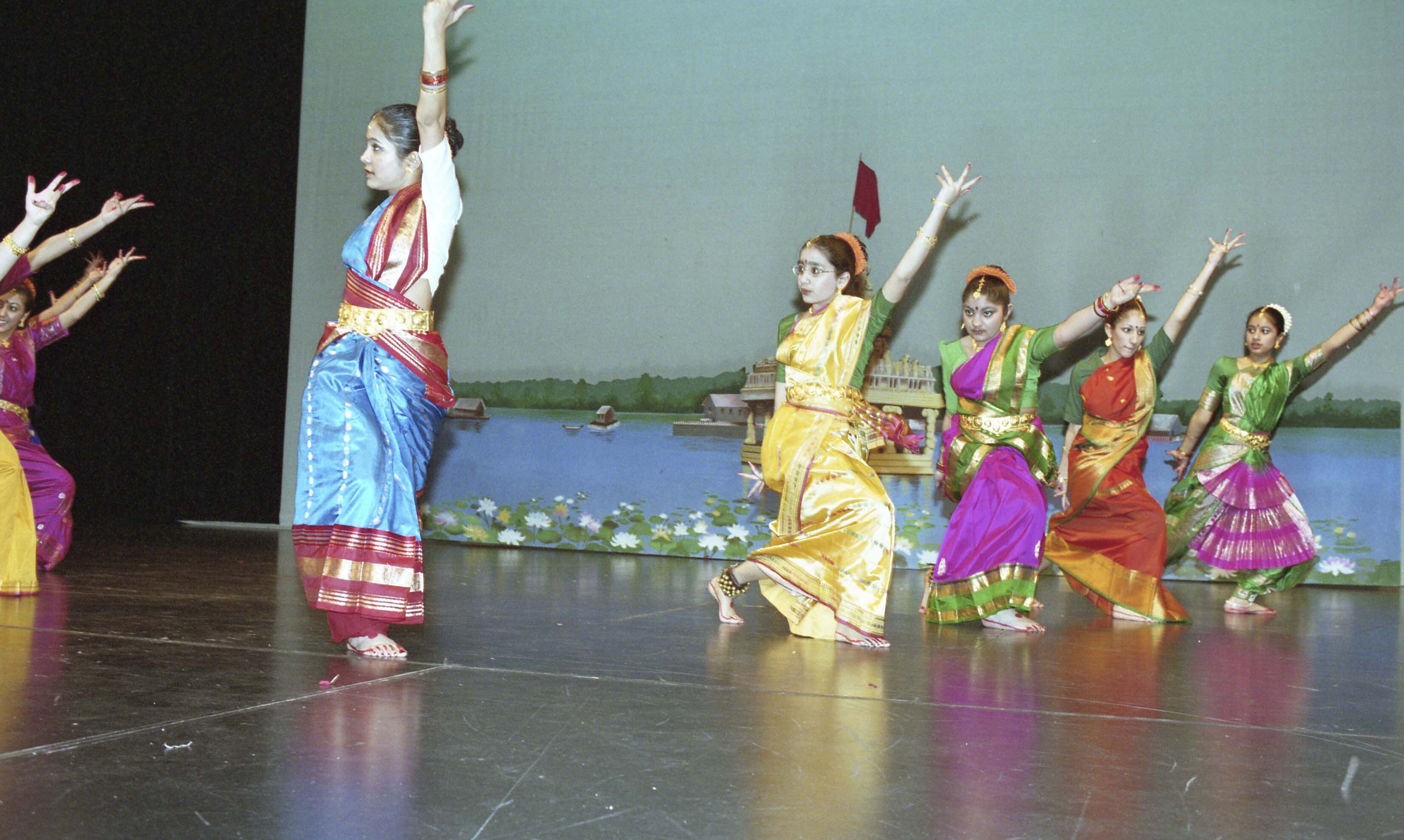
Photograph of a kathak dancer performing at a Ugadi celebration organized by South Indian Community of Greater Vancouver, and held at the Michael J Fox Theatre in Burnaby, B.C. The event features dance performances from the Nritya Manjaree School of Kathak.
Ugadi is a Hindu festival that celebrates the new year in the Indian states of Andhra Pradesh, Telangana, and Karnataka, and it marks the beginning of the Hindu calendar cycle. It is celebrated on the first day of the Hindu month of Chaitra (March-April), and it follows the South Indian Amavasyant calendar rather than the North Indian Purnimant calendar; in the former, the months end on the day of the new moon. Ugadi is a joyous celebrations, which features bathing to begin the day, applying oil to the body, adorning new clothes, and offering pooja.
Nritya Manjaree School of Kathak was established in 1978 by Madhu Khare. Khare is a gifted dancer and obtained her Bachelor in Kathak in 1965 from the University of Bhat Khande, Lucknow, India. She also received higher training from various Gurus in India, such as Shambhu Maharaj, and has performed in cities in India and Canada. The Nritya Manjaree School of Kathak is located in Delta, B.C.
Kathak is one of the eight major forms of Indian classical dance. Derived from the Sanskrit word kathakar, meaning "storyteller," it refers to the nomadic performers who narrated the tales of Mahabharata and the Ramayana through dance, music, and gestures. It is characterized by its extensive footwork, precise hand and body movements, flexibility, and facial expressions, which all comes together to tell a story.
The Michael J Fox Theatre is located in Burnaby South Secondary School in B.C. Burnaby South Secondary School is one of eight secondary schools within the Burnaby School District, in south central Burnaby. Built as part of the school in 1993, the Michael J Fox Theatre is overseen by an independent, non-profit society. The Michael J Fox Theatre Society Board consists of community volunteers and functions independently of the Burnaby School Board. In November 1995, the Theatre was officially named after Michael J. Fox, in recognition of his achievements in the arts and commitment to the community.
Ugadi is a Hindu festival that celebrates the new year in the Indian states of Andhra Pradesh, Telangana, and Karnataka, and it marks the beginning of the Hindu calendar cycle. It is celebrated on the first day of the Hindu month of Chaitra (March-April), and it follows the South Indian Amavasyant calendar rather than the North Indian Purnimant calendar; in the former, the months end on the day of the new moon. Ugadi is a joyous celebrations, which features bathing to begin the day, applying oil to the body, adorning new clothes, and offering pooja.
Nritya Manjaree School of Kathak was established in 1978 by Madhu Khare. Khare is a gifted dancer and obtained her Bachelor in Kathak in 1965 from the University of Bhat Khande, Lucknow, India. She also received higher training from various Gurus in India, such as Shambhu Maharaj, and has performed in cities in India and Canada. The Nritya Manjaree School of Kathak is located in Delta, B.C.
Kathak is one of the eight major forms of Indian classical dance. Derived from the Sanskrit word kathakar, meaning "storyteller," it refers to the nomadic performers who narrated the tales of Mahabharata and the Ramayana through dance, music, and gestures. It is characterized by its extensive footwork, precise hand and body movements, flexibility, and facial expressions, which all comes together to tell a story.
The Michael J Fox Theatre is located in Burnaby South Secondary School in B.C. Burnaby South Secondary School is one of eight secondary schools within the Burnaby School District, in south central Burnaby. Built as part of the school in 1993, the Michael J Fox Theatre is overseen by an independent, non-profit society. The Michael J Fox Theatre Society Board consists of community volunteers and functions independently of the Burnaby School Board. In November 1995, the Theatre was officially named after Michael J. Fox, in recognition of his achievements in the arts and commitment to the community.
Member of
Creator: Bodalia, Chandra
Description
Photograph of a Kathak performance at a Holi celebration hosted at the Shree Mahalakshmi Temple in Vancouver, B.C.
Holi, often called the "festival of colors," is a vibrant and joyful Hindu celebration that marks spring's arrival and the triumph of good over evil. This festival, mainly observed in South Asia but also recognized globally, typically spans two days and is rooted in ancient traditions, mythology and community gatherings. Its date changes, as it is based on the full moon in the month of Phalguna, part of the Hindu lunar calendar, usually falling in late February or March. Holi, dating back to the 4th century, stands alongside Diwali, the festival of lights, as one of the most prominent Hindu celebrations and is famous for the playful tossing of colored powders and water.
Kathak is one of the eight major forms of Indian classical dance. Derived from the Sanskrit word kathakar, meaning "storyteller," it refers to the nomadic performers who narrated the tales of Mahabharata and the Ramayana through dance, music, and gestures. It is characterized by its extensive footwork, precise hand and body movements, flexibility, and facial expressions, which all comes together to tell a story.
Established in 1990, by Pandit Pramera Chaitanya, Shree Mahalakshmi Temple is a Hindu temple dedicated to Goddess Mahalakshmi. They offer various services, including workship, chanting, meditations, and ritualistic celebrations of all the Hindu festivals.
Holi, often called the "festival of colors," is a vibrant and joyful Hindu celebration that marks spring's arrival and the triumph of good over evil. This festival, mainly observed in South Asia but also recognized globally, typically spans two days and is rooted in ancient traditions, mythology and community gatherings. Its date changes, as it is based on the full moon in the month of Phalguna, part of the Hindu lunar calendar, usually falling in late February or March. Holi, dating back to the 4th century, stands alongside Diwali, the festival of lights, as one of the most prominent Hindu celebrations and is famous for the playful tossing of colored powders and water.
Kathak is one of the eight major forms of Indian classical dance. Derived from the Sanskrit word kathakar, meaning "storyteller," it refers to the nomadic performers who narrated the tales of Mahabharata and the Ramayana through dance, music, and gestures. It is characterized by its extensive footwork, precise hand and body movements, flexibility, and facial expressions, which all comes together to tell a story.
Established in 1990, by Pandit Pramera Chaitanya, Shree Mahalakshmi Temple is a Hindu temple dedicated to Goddess Mahalakshmi. They offer various services, including workship, chanting, meditations, and ritualistic celebrations of all the Hindu festivals.
Member of
Creator: Bodalia, Chandra
Description
Photograph of a Kathak performance at a Holi celebration hosted at the Shree Mahalakshmi Temple in Vancouver, B.C.
Holi, often called the "festival of colors," is a vibrant and joyful Hindu celebration that marks spring's arrival and the triumph of good over evil. This festival, mainly observed in South Asia but also recognized globally, typically spans two days and is rooted in ancient traditions, mythology and community gatherings. Its date changes, as it is based on the full moon in the month of Phalguna, part of the Hindu lunar calendar, usually falling in late February or March. Holi, dating back to the 4th century, stands alongside Diwali, the festival of lights, as one of the most prominent Hindu celebrations and is famous for the playful tossing of colored powders and water.
Kathak is one of the eight major forms of Indian classical dance. Derived from the Sanskrit word kathakar, meaning "storyteller," it refers to the nomadic performers who narrated the tales of Mahabharata and the Ramayana through dance, music, and gestures. It is characterized by its extensive footwork, precise hand and body movements, flexibility, and facial expressions, which all comes together to tell a story.
Established in 1990, by Pandit Pramera Chaitanya, Shree Mahalakshmi Temple is a Hindu temple dedicated to Goddess Mahalakshmi. They offer various services, including workship, chanting, meditations, and ritualistic celebrations of all the Hindu festivals.
Holi, often called the "festival of colors," is a vibrant and joyful Hindu celebration that marks spring's arrival and the triumph of good over evil. This festival, mainly observed in South Asia but also recognized globally, typically spans two days and is rooted in ancient traditions, mythology and community gatherings. Its date changes, as it is based on the full moon in the month of Phalguna, part of the Hindu lunar calendar, usually falling in late February or March. Holi, dating back to the 4th century, stands alongside Diwali, the festival of lights, as one of the most prominent Hindu celebrations and is famous for the playful tossing of colored powders and water.
Kathak is one of the eight major forms of Indian classical dance. Derived from the Sanskrit word kathakar, meaning "storyteller," it refers to the nomadic performers who narrated the tales of Mahabharata and the Ramayana through dance, music, and gestures. It is characterized by its extensive footwork, precise hand and body movements, flexibility, and facial expressions, which all comes together to tell a story.
Established in 1990, by Pandit Pramera Chaitanya, Shree Mahalakshmi Temple is a Hindu temple dedicated to Goddess Mahalakshmi. They offer various services, including workship, chanting, meditations, and ritualistic celebrations of all the Hindu festivals.
Member of
Creator: Bodalia, Chandra
Description
Photograph of a Kathak performance at a Holi celebration hosted at the Shree Mahalakshmi Temple in Vancouver, B.C.
Holi, often called the "festival of colors," is a vibrant and joyful Hindu celebration that marks spring's arrival and the triumph of good over evil. This festival, mainly observed in South Asia but also recognized globally, typically spans two days and is rooted in ancient traditions, mythology and community gatherings. Its date changes, as it is based on the full moon in the month of Phalguna, part of the Hindu lunar calendar, usually falling in late February or March. Holi, dating back to the 4th century, stands alongside Diwali, the festival of lights, as one of the most prominent Hindu celebrations and is famous for the playful tossing of colored powders and water.
Kathak is one of the eight major forms of Indian classical dance. Derived from the Sanskrit word kathakar, meaning "storyteller," it refers to the nomadic performers who narrated the tales of Mahabharata and the Ramayana through dance, music, and gestures. It is characterized by its extensive footwork, precise hand and body movements, flexibility, and facial expressions, which all comes together to tell a story.
Established in 1990, by Pandit Pramera Chaitanya, Shree Mahalakshmi Temple is a Hindu temple dedicated to Goddess Mahalakshmi. They offer various services, including workship, chanting, meditations, and ritualistic celebrations of all the Hindu festivals.
Holi, often called the "festival of colors," is a vibrant and joyful Hindu celebration that marks spring's arrival and the triumph of good over evil. This festival, mainly observed in South Asia but also recognized globally, typically spans two days and is rooted in ancient traditions, mythology and community gatherings. Its date changes, as it is based on the full moon in the month of Phalguna, part of the Hindu lunar calendar, usually falling in late February or March. Holi, dating back to the 4th century, stands alongside Diwali, the festival of lights, as one of the most prominent Hindu celebrations and is famous for the playful tossing of colored powders and water.
Kathak is one of the eight major forms of Indian classical dance. Derived from the Sanskrit word kathakar, meaning "storyteller," it refers to the nomadic performers who narrated the tales of Mahabharata and the Ramayana through dance, music, and gestures. It is characterized by its extensive footwork, precise hand and body movements, flexibility, and facial expressions, which all comes together to tell a story.
Established in 1990, by Pandit Pramera Chaitanya, Shree Mahalakshmi Temple is a Hindu temple dedicated to Goddess Mahalakshmi. They offer various services, including workship, chanting, meditations, and ritualistic celebrations of all the Hindu festivals.
Member of
Creator: Bodalia, Chandra
Description
Photograph of a Kathak performance at a Holi celebration hosted at the Shree Mahalakshmi Temple in Vancouver, B.C.
Holi, often called the "festival of colors," is a vibrant and joyful Hindu celebration that marks spring's arrival and the triumph of good over evil. This festival, mainly observed in South Asia but also recognized globally, typically spans two days and is rooted in ancient traditions, mythology and community gatherings. Its date changes, as it is based on the full moon in the month of Phalguna, part of the Hindu lunar calendar, usually falling in late February or March. Holi, dating back to the 4th century, stands alongside Diwali, the festival of lights, as one of the most prominent Hindu celebrations and is famous for the playful tossing of colored powders and water.
Kathak is one of the eight major forms of Indian classical dance. Derived from the Sanskrit word kathakar, meaning "storyteller," it refers to the nomadic performers who narrated the tales of Mahabharata and the Ramayana through dance, music, and gestures. It is characterized by its extensive footwork, precise hand and body movements, flexibility, and facial expressions, which all comes together to tell a story.
Established in 1990, by Pandit Pramera Chaitanya, Shree Mahalakshmi Temple is a Hindu temple dedicated to Goddess Mahalakshmi. They offer various services, including workship, chanting, meditations, and ritualistic celebrations of all the Hindu festivals.
Holi, often called the "festival of colors," is a vibrant and joyful Hindu celebration that marks spring's arrival and the triumph of good over evil. This festival, mainly observed in South Asia but also recognized globally, typically spans two days and is rooted in ancient traditions, mythology and community gatherings. Its date changes, as it is based on the full moon in the month of Phalguna, part of the Hindu lunar calendar, usually falling in late February or March. Holi, dating back to the 4th century, stands alongside Diwali, the festival of lights, as one of the most prominent Hindu celebrations and is famous for the playful tossing of colored powders and water.
Kathak is one of the eight major forms of Indian classical dance. Derived from the Sanskrit word kathakar, meaning "storyteller," it refers to the nomadic performers who narrated the tales of Mahabharata and the Ramayana through dance, music, and gestures. It is characterized by its extensive footwork, precise hand and body movements, flexibility, and facial expressions, which all comes together to tell a story.
Established in 1990, by Pandit Pramera Chaitanya, Shree Mahalakshmi Temple is a Hindu temple dedicated to Goddess Mahalakshmi. They offer various services, including workship, chanting, meditations, and ritualistic celebrations of all the Hindu festivals.
Member of
Creator: Bodalia, Chandra
Description
Photograph of a Kathak performance at a Holi celebration hosted at the Shree Mahalakshmi Temple in Vancouver, B.C.
Holi, often called the "festival of colors," is a vibrant and joyful Hindu celebration that marks spring's arrival and the triumph of good over evil. This festival, mainly observed in South Asia but also recognized globally, typically spans two days and is rooted in ancient traditions, mythology and community gatherings. Its date changes, as it is based on the full moon in the month of Phalguna, part of the Hindu lunar calendar, usually falling in late February or March. Holi, dating back to the 4th century, stands alongside Diwali, the festival of lights, as one of the most prominent Hindu celebrations and is famous for the playful tossing of colored powders and water.
Kathak is one of the eight major forms of Indian classical dance. Derived from the Sanskrit word kathakar, meaning "storyteller," it refers to the nomadic performers who narrated the tales of Mahabharata and the Ramayana through dance, music, and gestures. It is characterized by its extensive footwork, precise hand and body movements, flexibility, and facial expressions, which all comes together to tell a story.
Established in 1990, by Pandit Pramera Chaitanya, Shree Mahalakshmi Temple is a Hindu temple dedicated to Goddess Mahalakshmi. They offer various services, including workship, chanting, meditations, and ritualistic celebrations of all the Hindu festivals.
Holi, often called the "festival of colors," is a vibrant and joyful Hindu celebration that marks spring's arrival and the triumph of good over evil. This festival, mainly observed in South Asia but also recognized globally, typically spans two days and is rooted in ancient traditions, mythology and community gatherings. Its date changes, as it is based on the full moon in the month of Phalguna, part of the Hindu lunar calendar, usually falling in late February or March. Holi, dating back to the 4th century, stands alongside Diwali, the festival of lights, as one of the most prominent Hindu celebrations and is famous for the playful tossing of colored powders and water.
Kathak is one of the eight major forms of Indian classical dance. Derived from the Sanskrit word kathakar, meaning "storyteller," it refers to the nomadic performers who narrated the tales of Mahabharata and the Ramayana through dance, music, and gestures. It is characterized by its extensive footwork, precise hand and body movements, flexibility, and facial expressions, which all comes together to tell a story.
Established in 1990, by Pandit Pramera Chaitanya, Shree Mahalakshmi Temple is a Hindu temple dedicated to Goddess Mahalakshmi. They offer various services, including workship, chanting, meditations, and ritualistic celebrations of all the Hindu festivals.
Member of
Creator: Bodalia, Chandra
Description
Photograph of a Kathak performance at a Holi celebration hosted at the Shree Mahalakshmi Temple in Vancouver, B.C.
Holi, often called the "festival of colors," is a vibrant and joyful Hindu celebration that marks spring's arrival and the triumph of good over evil. This festival, mainly observed in South Asia but also recognized globally, typically spans two days and is rooted in ancient traditions, mythology and community gatherings. Its date changes, as it is based on the full moon in the month of Phalguna, part of the Hindu lunar calendar, usually falling in late February or March. Holi, dating back to the 4th century, stands alongside Diwali, the festival of lights, as one of the most prominent Hindu celebrations and is famous for the playful tossing of colored powders and water.
Kathak is one of the eight major forms of Indian classical dance. Derived from the Sanskrit word kathakar, meaning "storyteller," it refers to the nomadic performers who narrated the tales of Mahabharata and the Ramayana through dance, music, and gestures. It is characterized by its extensive footwork, precise hand and body movements, flexibility, and facial expressions, which all comes together to tell a story.
Established in 1990, by Pandit Pramera Chaitanya, Shree Mahalakshmi Temple is a Hindu temple dedicated to Goddess Mahalakshmi. They offer various services, including workship, chanting, meditations, and ritualistic celebrations of all the Hindu festivals.
Holi, often called the "festival of colors," is a vibrant and joyful Hindu celebration that marks spring's arrival and the triumph of good over evil. This festival, mainly observed in South Asia but also recognized globally, typically spans two days and is rooted in ancient traditions, mythology and community gatherings. Its date changes, as it is based on the full moon in the month of Phalguna, part of the Hindu lunar calendar, usually falling in late February or March. Holi, dating back to the 4th century, stands alongside Diwali, the festival of lights, as one of the most prominent Hindu celebrations and is famous for the playful tossing of colored powders and water.
Kathak is one of the eight major forms of Indian classical dance. Derived from the Sanskrit word kathakar, meaning "storyteller," it refers to the nomadic performers who narrated the tales of Mahabharata and the Ramayana through dance, music, and gestures. It is characterized by its extensive footwork, precise hand and body movements, flexibility, and facial expressions, which all comes together to tell a story.
Established in 1990, by Pandit Pramera Chaitanya, Shree Mahalakshmi Temple is a Hindu temple dedicated to Goddess Mahalakshmi. They offer various services, including workship, chanting, meditations, and ritualistic celebrations of all the Hindu festivals.