
South Asian Canadian women dancers
2024_19_691_011-Service File.jpg
Download
Member of
Creator: Bodalia, Chandra
Description
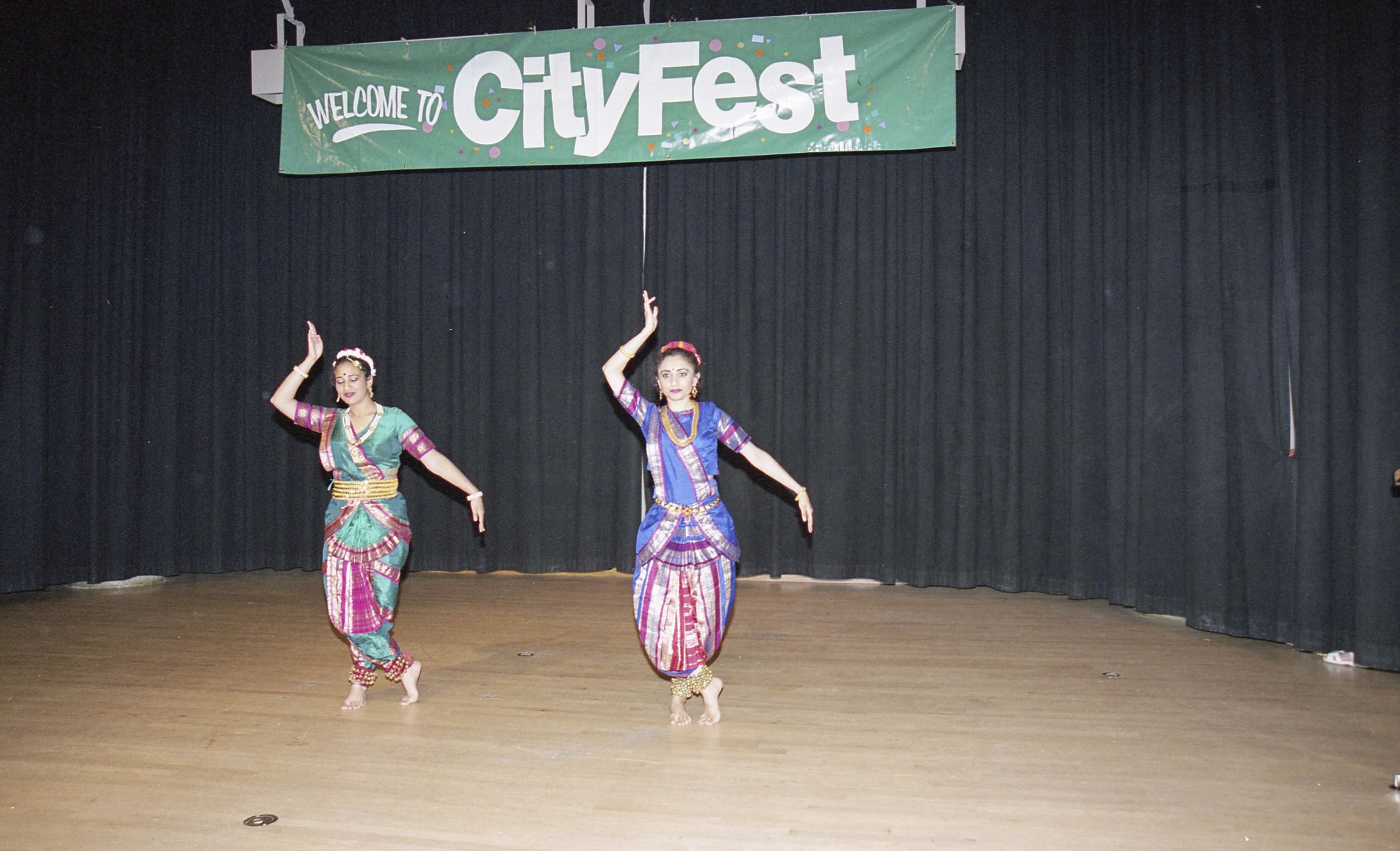
Photograph of two women performing Bharatanatyam at CItyFest.
Bharatanatyam, a classical dance style of India, is indigenous to the Tamil Nadu region and prevalent in southern India. Bharatanatyam serves the expression of Hindu religious themes and devotions. Bharatanatyam was originally performed exclusively by female temple dancers and was not brought to the stage for public performance until about 1930. A vital tradition of Bharatanatyam is a graduation performance, called Arangetram, in which graduates showcase their talents.
Bharatanatyam, a classical dance style of India, is indigenous to the Tamil Nadu region and prevalent in southern India. Bharatanatyam serves the expression of Hindu religious themes and devotions. Bharatanatyam was originally performed exclusively by female temple dancers and was not brought to the stage for public performance until about 1930. A vital tradition of Bharatanatyam is a graduation performance, called Arangetram, in which graduates showcase their talents.
2024_19_691_009-Service File.jpg
Download
Member of
Creator: Bodalia, Chandra
Description
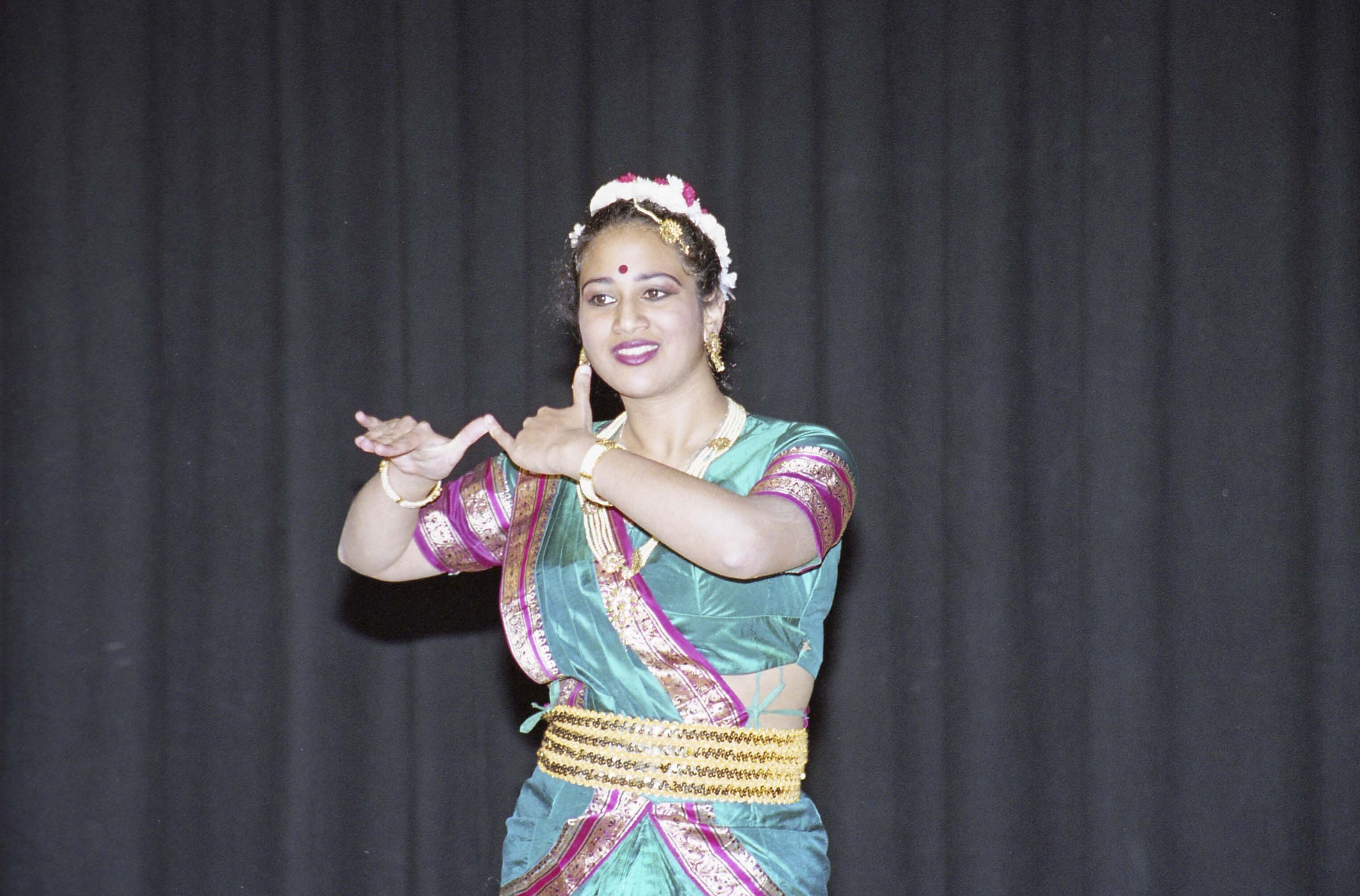
Photograph of a woman performing Bharatanatyam at CItyFest.
Bharatanatyam, a classical dance style of India, is indigenous to the Tamil Nadu region and prevalent in southern India. Bharatanatyam serves the expression of Hindu religious themes and devotions. Bharatanatyam was originally performed exclusively by female temple dancers and was not brought to the stage for public performance until about 1930. A vital tradition of Bharatanatyam is a graduation performance, called Arangetram, in which graduates showcase their talents.
Bharatanatyam, a classical dance style of India, is indigenous to the Tamil Nadu region and prevalent in southern India. Bharatanatyam serves the expression of Hindu religious themes and devotions. Bharatanatyam was originally performed exclusively by female temple dancers and was not brought to the stage for public performance until about 1930. A vital tradition of Bharatanatyam is a graduation performance, called Arangetram, in which graduates showcase their talents.
2024_19_691_008-Service File.jpg
Download
Member of
Creator: Bodalia, Chandra
Description
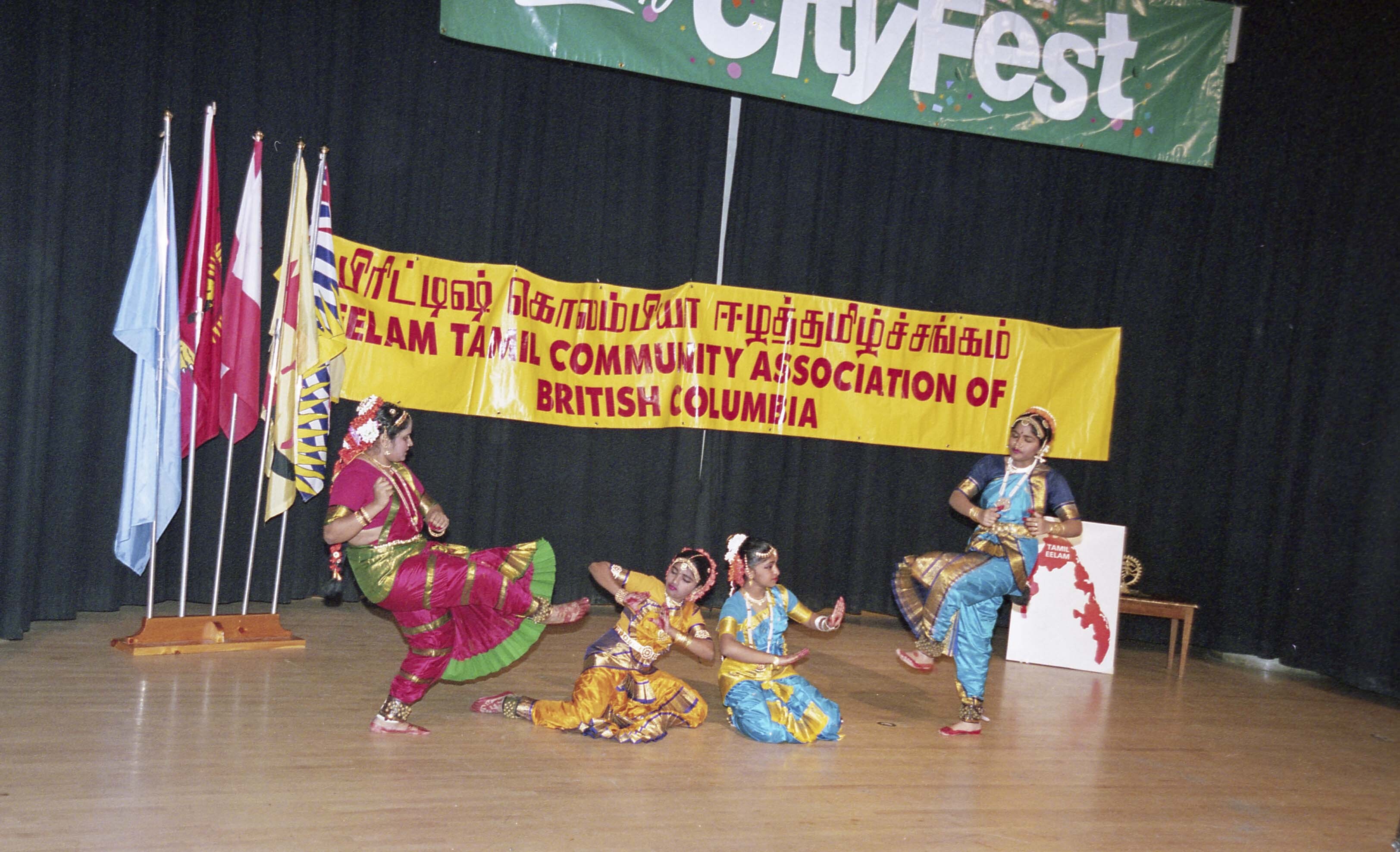
Photograph of four women performing Bharatanatyam at CItyFest.
Bharatanatyam, a classical dance style of India, is indigenous to the Tamil Nadu region and prevalent in southern India. Bharatanatyam serves the expression of Hindu religious themes and devotions. Bharatanatyam was originally performed exclusively by female temple dancers and was not brought to the stage for public performance until about 1930. A vital tradition of Bharatanatyam is a graduation performance, called Arangetram, in which graduates showcase their talents.
Bharatanatyam, a classical dance style of India, is indigenous to the Tamil Nadu region and prevalent in southern India. Bharatanatyam serves the expression of Hindu religious themes and devotions. Bharatanatyam was originally performed exclusively by female temple dancers and was not brought to the stage for public performance until about 1930. A vital tradition of Bharatanatyam is a graduation performance, called Arangetram, in which graduates showcase their talents.
2024_19_691_007-Service File.jpg
Download
Member of
Creator: Bodalia, Chandra
Description
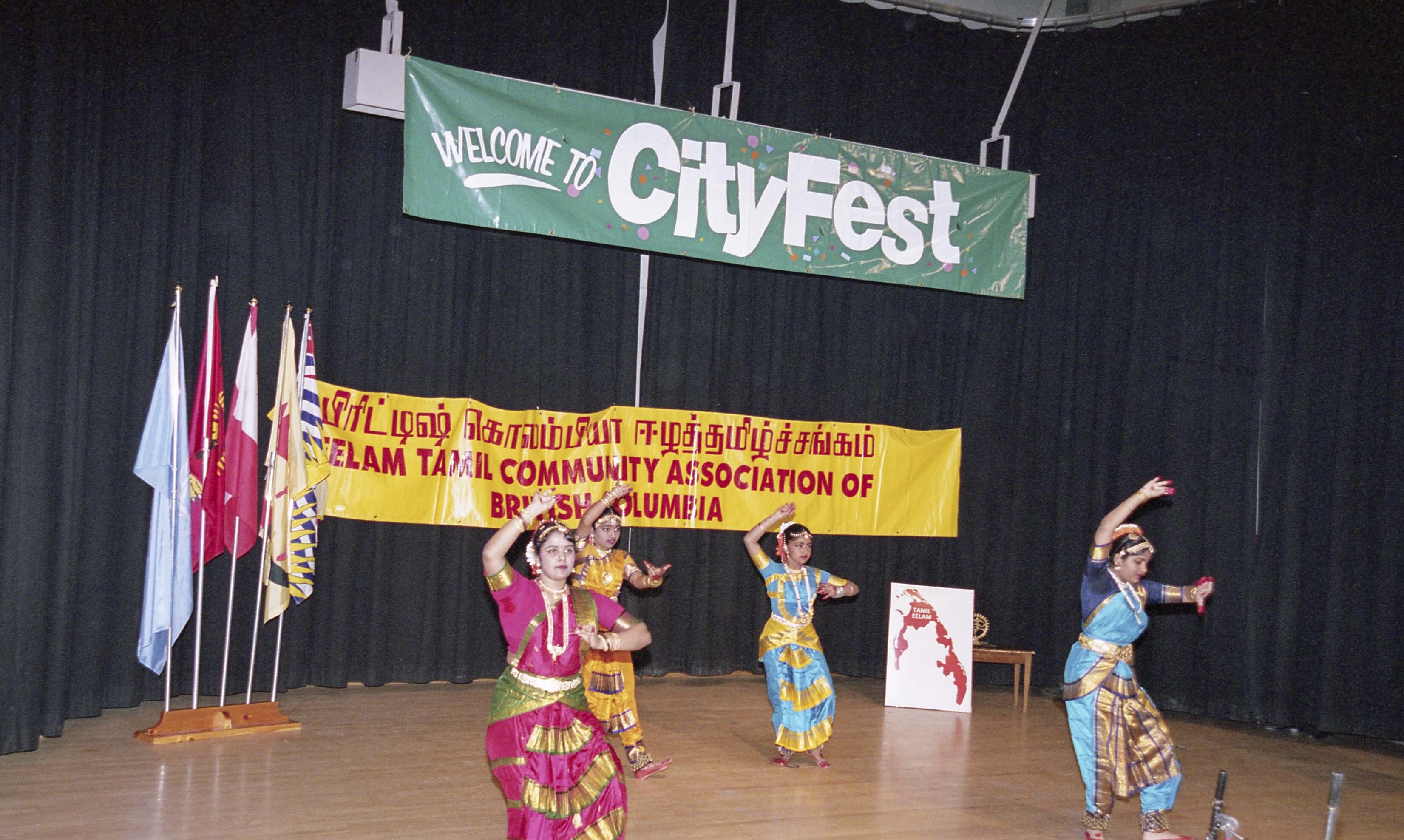
Photograph of four women performing Bharatanatyam at CItyFest.
Bharatanatyam, a classical dance style of India, is indigenous to the Tamil Nadu region and prevalent in southern India. Bharatanatyam serves the expression of Hindu religious themes and devotions. Bharatanatyam was originally performed exclusively by female temple dancers and was not brought to the stage for public performance until about 1930. A vital tradition of Bharatanatyam is a graduation performance, called Arangetram, in which graduates showcase their talents.
Bharatanatyam, a classical dance style of India, is indigenous to the Tamil Nadu region and prevalent in southern India. Bharatanatyam serves the expression of Hindu religious themes and devotions. Bharatanatyam was originally performed exclusively by female temple dancers and was not brought to the stage for public performance until about 1930. A vital tradition of Bharatanatyam is a graduation performance, called Arangetram, in which graduates showcase their talents.
2024_19_691_005-Service File.jpg
Download
Member of
Creator: Bodalia, Chandra
Description
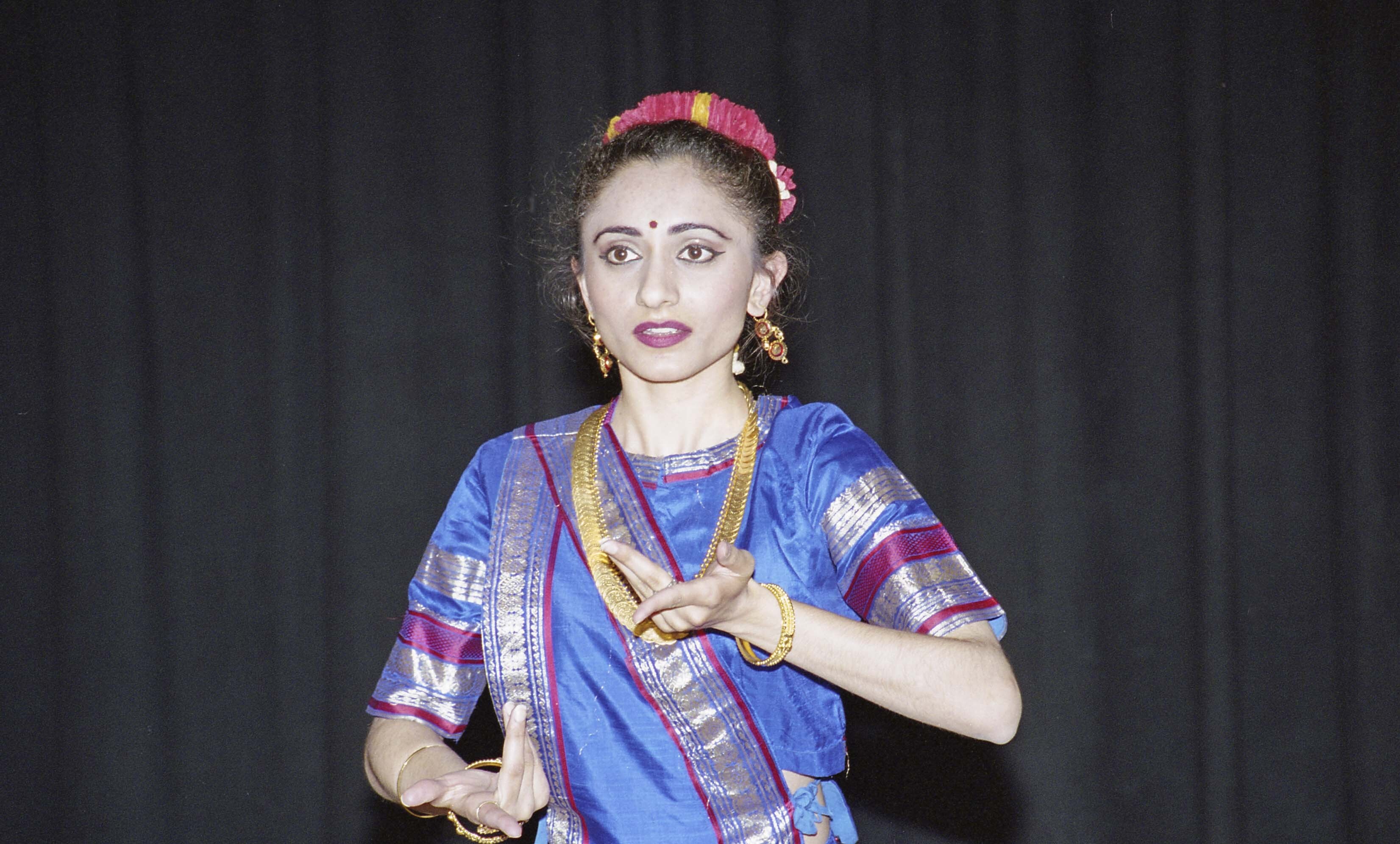
Photograph of a woman performing Bharatanatyam at CItyFest.
Bharatanatyam, a classical dance style of India, is indigenous to the Tamil Nadu region and prevalent in southern India. Bharatanatyam serves the expression of Hindu religious themes and devotions. Bharatanatyam was originally performed exclusively by female temple dancers and was not brought to the stage for public performance until about 1930. A vital tradition of Bharatanatyam is a graduation performance, called Arangetram, in which graduates showcase their talents.
Bharatanatyam, a classical dance style of India, is indigenous to the Tamil Nadu region and prevalent in southern India. Bharatanatyam serves the expression of Hindu religious themes and devotions. Bharatanatyam was originally performed exclusively by female temple dancers and was not brought to the stage for public performance until about 1930. A vital tradition of Bharatanatyam is a graduation performance, called Arangetram, in which graduates showcase their talents.
2024_19_691_003-Service File.jpg
Download
Member of
Creator: Bodalia, Chandra
Description
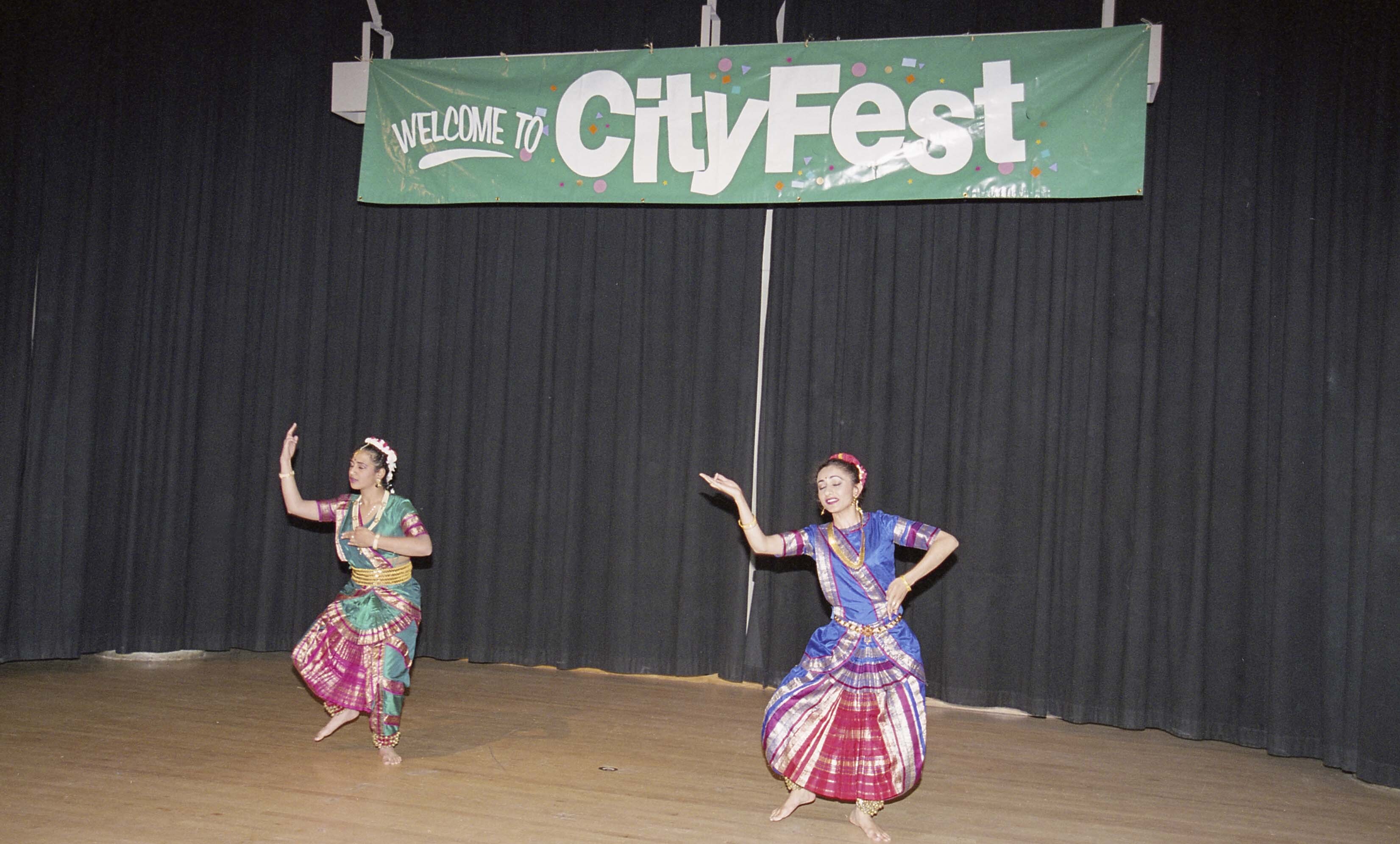
Photograph of two women performing Bharatanatyam at CItyFest.
Bharatanatyam, a classical dance style of India, is indigenous to the Tamil Nadu region and prevalent in southern India. Bharatanatyam serves the expression of Hindu religious themes and devotions. Bharatanatyam was originally performed exclusively by female temple dancers and was not brought to the stage for public performance until about 1930. A vital tradition of Bharatanatyam is a graduation performance, called Arangetram, in which graduates showcase their talents.
Bharatanatyam, a classical dance style of India, is indigenous to the Tamil Nadu region and prevalent in southern India. Bharatanatyam serves the expression of Hindu religious themes and devotions. Bharatanatyam was originally performed exclusively by female temple dancers and was not brought to the stage for public performance until about 1930. A vital tradition of Bharatanatyam is a graduation performance, called Arangetram, in which graduates showcase their talents.
2024_19_691_001-Service File.jpg
Download
Member of
Creator: Bodalia, Chandra
Description
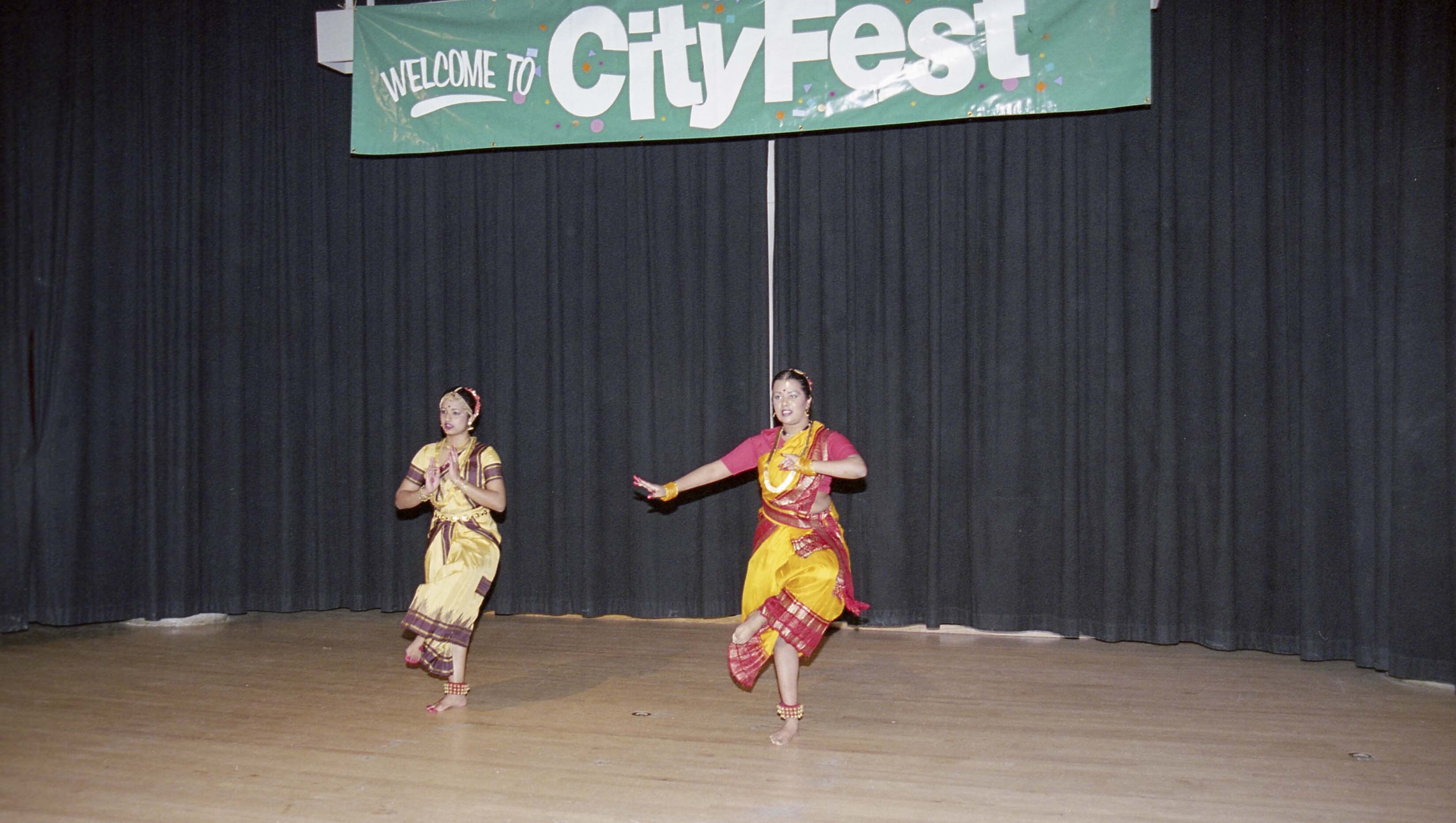
Photograph of two women performing Bharatanatyam at CItyFest.
Bharatanatyam, a classical dance style of India, is indigenous to the Tamil Nadu region and prevalent in southern India. Bharatanatyam serves the expression of Hindu religious themes and devotions. Bharatanatyam was originally performed exclusively by female temple dancers and was not brought to the stage for public performance until about 1930. A vital tradition of Bharatanatyam is a graduation performance, called Arangetram, in which graduates showcase their talents.
Bharatanatyam, a classical dance style of India, is indigenous to the Tamil Nadu region and prevalent in southern India. Bharatanatyam serves the expression of Hindu religious themes and devotions. Bharatanatyam was originally performed exclusively by female temple dancers and was not brought to the stage for public performance until about 1930. A vital tradition of Bharatanatyam is a graduation performance, called Arangetram, in which graduates showcase their talents.
2024_19_638_023-Service File.jpg
Download
Creator: Bodalia, Chandra
Description
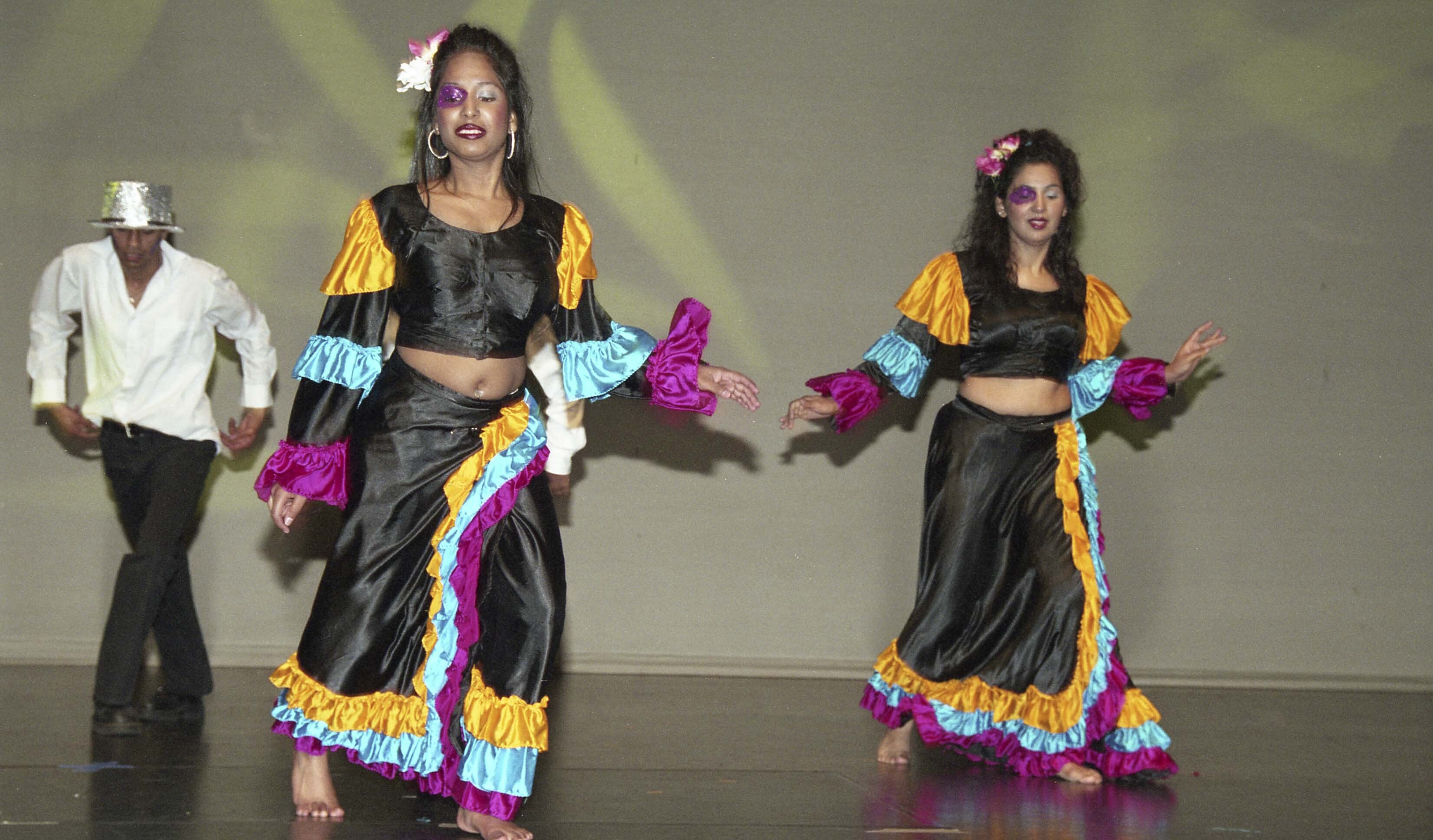
Photograph of a dance performance at a Diwali celebration at the Hindu Cultural Society and Community Centre of B.C. in Burnaby, B.C.
Deepavali, also known as Diwali, is a major religious festival celebrated by Hindus, Jains, and Sikhs, and translates to "the Festival of Lights." The festival lasts five days: the first day is known as Dhanteras; followed by Choti Diwali; Lakshmi Puja, which is the main celebration; Govardhan Puja; and finally Bhai Dooj. The festival is typically marked by the cleaning and decorating of homes, as well as the lighting of diyas and rangoli designs. Each region in India and religion has their own manner of celebrating Deepavali and their own gods to be worshipped.
Officially registered as the Hindu Cultural Society and Community Centre of B.C., the Hindu Temple of Burnaby, previously known as Vishva Hindu Parishad temple, stands as one of Canada's oldest and largest Hindu temples. It was founded on May 15, 1972 as a small prayer hall in North Burnaby, dedicated to preserving and promoting Hindu culture and traditions.
2024_19_638_021-Service File.jpg
Download
Creator: Bodalia, Chandra
Description
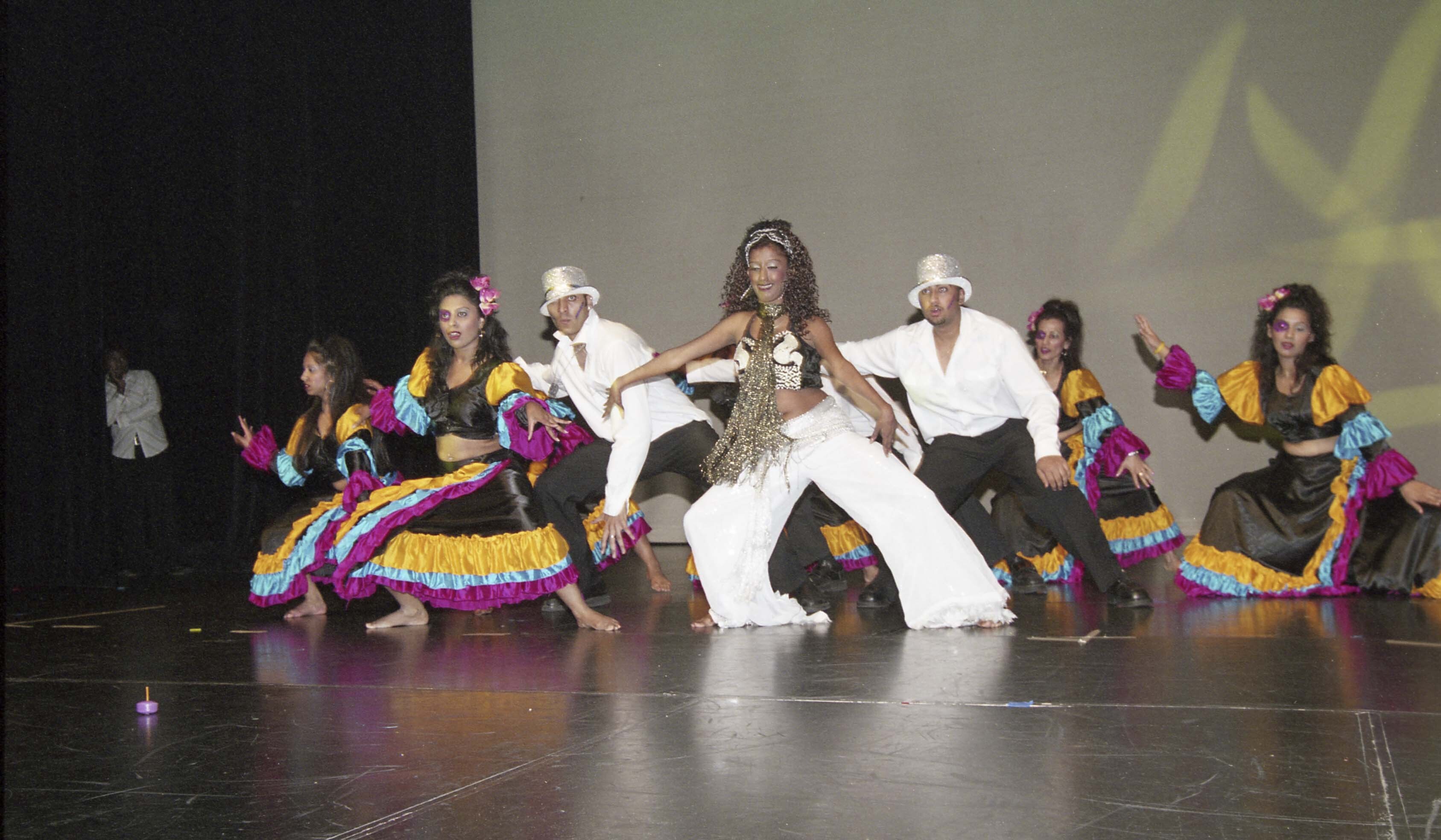
Photograph of a dance performance at a Diwali celebration at the Hindu Cultural Society and Community Centre of B.C. in Burnaby, B.C.
Deepavali, also known as Diwali, is a major religious festival celebrated by Hindus, Jains, and Sikhs, and translates to "the Festival of Lights." The festival lasts five days: the first day is known as Dhanteras; followed by Choti Diwali; Lakshmi Puja, which is the main celebration; Govardhan Puja; and finally Bhai Dooj. The festival is typically marked by the cleaning and decorating of homes, as well as the lighting of diyas and rangoli designs. Each region in India and religion has their own manner of celebrating Deepavali and their own gods to be worshipped.
Officially registered as the Hindu Cultural Society and Community Centre of B.C., the Hindu Temple of Burnaby, previously known as Vishva Hindu Parishad temple, stands as one of Canada's oldest and largest Hindu temples. It was founded on May 15, 1972 as a small prayer hall in North Burnaby, dedicated to preserving and promoting Hindu culture and traditions.
Deepavali, also known as Diwali, is a major religious festival celebrated by Hindus, Jains, and Sikhs, and translates to "the Festival of Lights." The festival lasts five days: the first day is known as Dhanteras; followed by Choti Diwali; Lakshmi Puja, which is the main celebration; Govardhan Puja; and finally Bhai Dooj. The festival is typically marked by the cleaning and decorating of homes, as well as the lighting of diyas and rangoli designs. Each region in India and religion has their own manner of celebrating Deepavali and their own gods to be worshipped.
Officially registered as the Hindu Cultural Society and Community Centre of B.C., the Hindu Temple of Burnaby, previously known as Vishva Hindu Parishad temple, stands as one of Canada's oldest and largest Hindu temples. It was founded on May 15, 1972 as a small prayer hall in North Burnaby, dedicated to preserving and promoting Hindu culture and traditions.
2024_19_638_019-Service File.jpg
Download
Creator: Bodalia, Chandra
Description
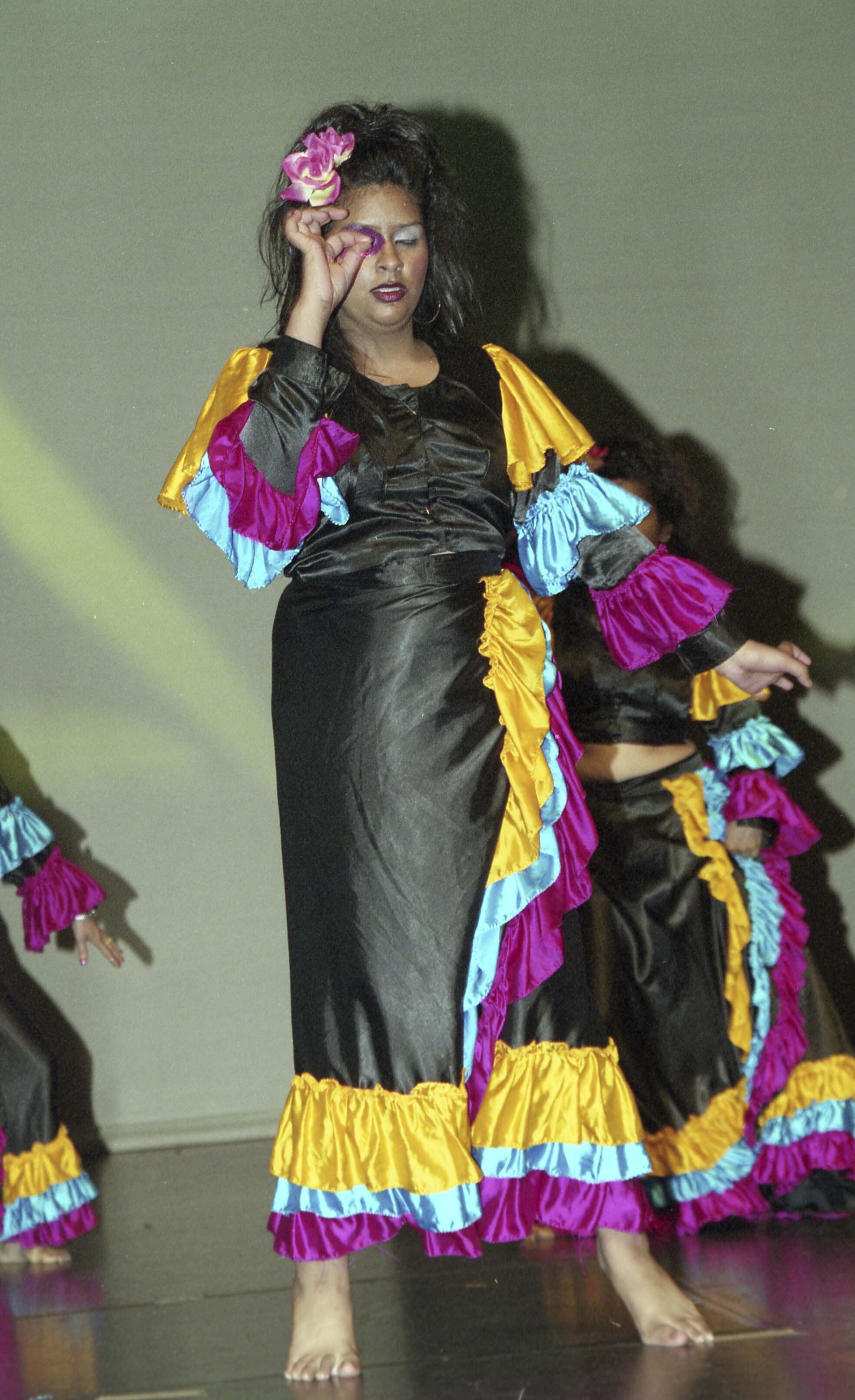
Photograph of a dancer at a Diwali celebration at the Hindu Cultural Society and Community Centre of B.C. in Burnaby, B.C.
Deepavali, also known as Diwali, is a major religious festival celebrated by Hindus, Jains, and Sikhs, and translates to "the Festival of Lights." The festival lasts five days: the first day is known as Dhanteras; followed by Choti Diwali; Lakshmi Puja, which is the main celebration; Govardhan Puja; and finally Bhai Dooj. The festival is typically marked by the cleaning and decorating of homes, as well as the lighting of diyas and rangoli designs. Each region in India and religion has their own manner of celebrating Deepavali and their own gods to be worshipped.
Officially registered as the Hindu Cultural Society and Community Centre of B.C., the Hindu Temple of Burnaby, previously known as Vishva Hindu Parishad temple, stands as one of Canada's oldest and largest Hindu temples. It was founded on May 15, 1972 as a small prayer hall in North Burnaby, dedicated to preserving and promoting Hindu culture and traditions.