
Human rights
Authority Sources
Member of
Creator: Bodalia, Chandra
Description
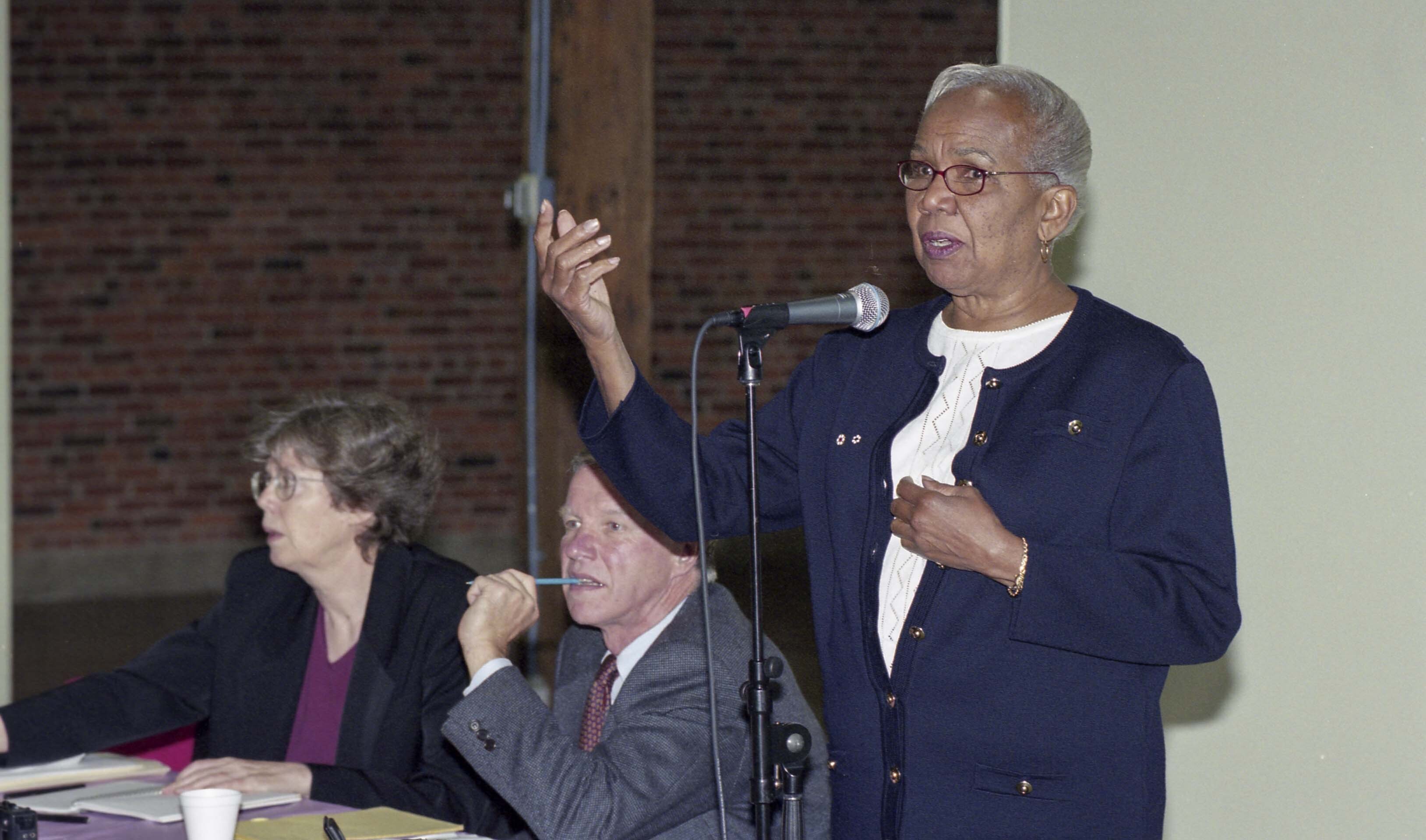
Photograph of Rosemary Brown speaking at the Community Forum on Human Rights organized by the Committee for Racial Justice and Human Rights Defenders at the Roundhouse Community Arts and Recreation Centre in Vancouver, B.C. Bill Black and an unidentified woman are seen in the background.
Born on June 17, 1930 in Kingston, Jamaica, Rosemary Brown immigrated to Canada in 1951 to earn her Bachelor of Arts in Social Work at McGill University and her Masters of Social Work at the University of British Columbia. Brown was Canada's first Black female member of a provincial legislature and the first woman to run for leadership of the federal NDP political party. She was a politician, feminist, writer, educator, lecturer, and mother who contributed significantly to B.C. and Canada, through her work with the British Columbia Association for the Advancement of Coloured People and Voice of Women.
Bill Black is a Professor Emeritus at the University of British Columbia's Peter A. Allard School of Law. After earning his J.D. from Harvard Law School, Professor Black joined the Allard School of Law in 1970 as an Assistant Professor and was promoted to Associate Professor in 1975, then Professor in 1998. His research interests lie in Human Rights Reform, Equality Rights, and Mediation and other Dispute Resolution within Human Rights Agencies.
The Roundhouse Community Arts and Recreation Centre is located in downtown Vancouver's Yaletown neighbourhood. It is home to Engine 374, a locomotive that pulled the first trans-continental passenger train across Canada and into Vancouver in 1887.
Born on June 17, 1930 in Kingston, Jamaica, Rosemary Brown immigrated to Canada in 1951 to earn her Bachelor of Arts in Social Work at McGill University and her Masters of Social Work at the University of British Columbia. Brown was Canada's first Black female member of a provincial legislature and the first woman to run for leadership of the federal NDP political party. She was a politician, feminist, writer, educator, lecturer, and mother who contributed significantly to B.C. and Canada, through her work with the British Columbia Association for the Advancement of Coloured People and Voice of Women.
Bill Black is a Professor Emeritus at the University of British Columbia's Peter A. Allard School of Law. After earning his J.D. from Harvard Law School, Professor Black joined the Allard School of Law in 1970 as an Assistant Professor and was promoted to Associate Professor in 1975, then Professor in 1998. His research interests lie in Human Rights Reform, Equality Rights, and Mediation and other Dispute Resolution within Human Rights Agencies.
The Roundhouse Community Arts and Recreation Centre is located in downtown Vancouver's Yaletown neighbourhood. It is home to Engine 374, a locomotive that pulled the first trans-continental passenger train across Canada and into Vancouver in 1887.
Member of
Creator: Bodalia, Chandra
Description
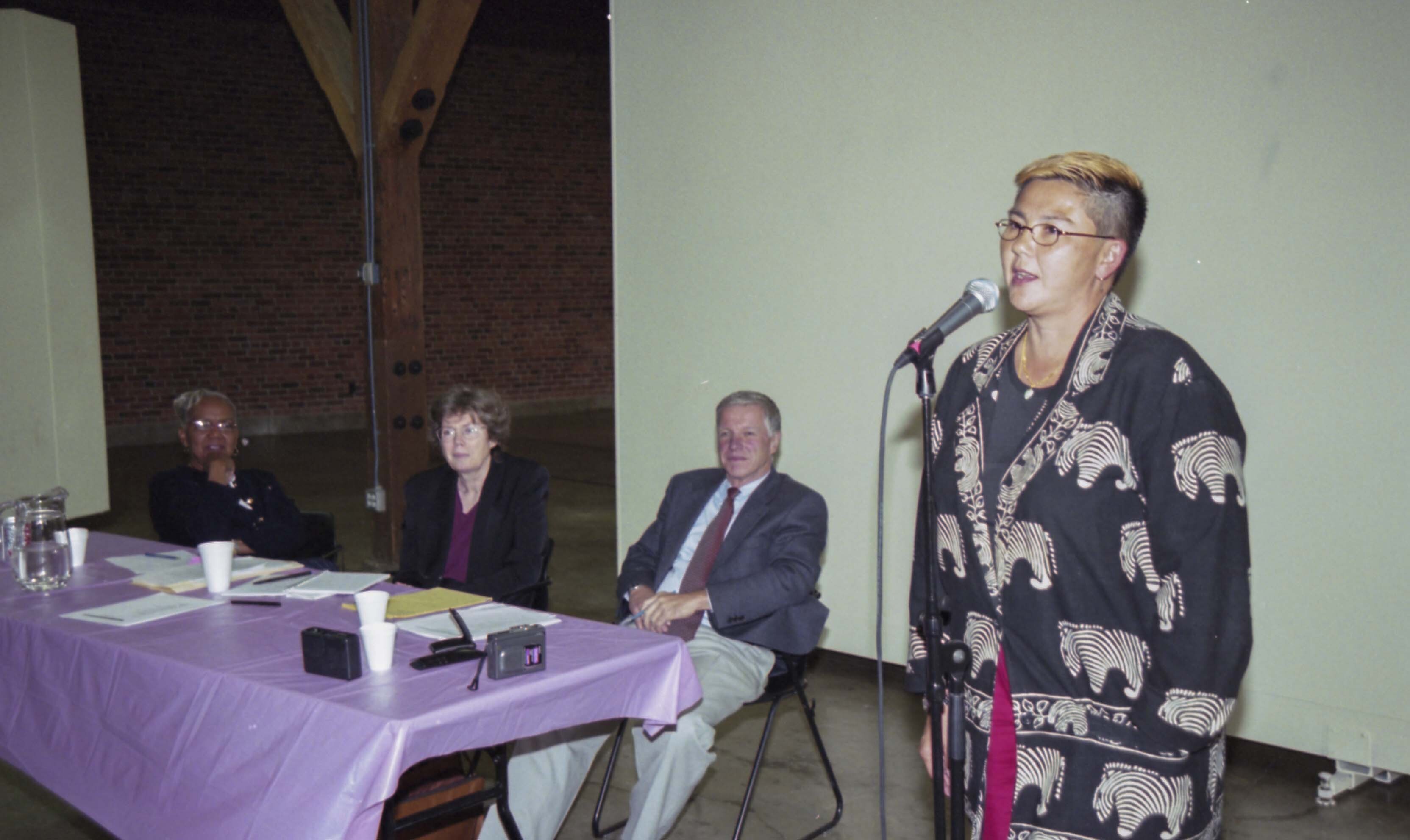
Photograph of an unidentified woman speaking at the Community Forum on Human Rights organized by the Committee for Racial Justice and Human Rights Defenders at the Roundhouse Community Arts and Recreation Centre in Vancouver, B.C. In the background, Rosemary Brown, Bill Black, and another unidentified woman are present.
Born on June 17, 1930 in Kingston, Jamaica, Rosemary Brown immigrated to Canada in 1951 to earn her Bachelor of Arts in Social Work at McGill University and her Masters of Social Work at the University of British Columbia. Brown was Canada's first Black female member of a provincial legislature and the first woman to run for leadership of the federal NDP political party. She was a politician, feminist, writer, educator, lecturer, and mother who contributed significantly to B.C. and Canada, through her work with the British Columbia Association for the Advancement of Coloured People and Voice of Women.
Bill Black is a Professor Emeritus at the University of British Columbia's Peter A. Allard School of Law. After earning his J.D. from Harvard Law School, Professor Black joined the Allard School of Law in 1970 as an Assistant Professor and was promoted to Associate Professor in 1975, then Professor in 1998. His research interests lie in Human Rights Reform, Equality Rights, and Mediation and other Dispute Resolution within Human Rights Agencies.
The Roundhouse Community Arts and Recreation Centre is located in downtown Vancouver's Yaletown neighbourhood. It is home to Engine 374, a locomotive that pulled the first trans-continental passenger train across Canada and into Vancouver in 1887.
Born on June 17, 1930 in Kingston, Jamaica, Rosemary Brown immigrated to Canada in 1951 to earn her Bachelor of Arts in Social Work at McGill University and her Masters of Social Work at the University of British Columbia. Brown was Canada's first Black female member of a provincial legislature and the first woman to run for leadership of the federal NDP political party. She was a politician, feminist, writer, educator, lecturer, and mother who contributed significantly to B.C. and Canada, through her work with the British Columbia Association for the Advancement of Coloured People and Voice of Women.
Bill Black is a Professor Emeritus at the University of British Columbia's Peter A. Allard School of Law. After earning his J.D. from Harvard Law School, Professor Black joined the Allard School of Law in 1970 as an Assistant Professor and was promoted to Associate Professor in 1975, then Professor in 1998. His research interests lie in Human Rights Reform, Equality Rights, and Mediation and other Dispute Resolution within Human Rights Agencies.
The Roundhouse Community Arts and Recreation Centre is located in downtown Vancouver's Yaletown neighbourhood. It is home to Engine 374, a locomotive that pulled the first trans-continental passenger train across Canada and into Vancouver in 1887.
Member of
Creator: Bodalia, Chandra
Description
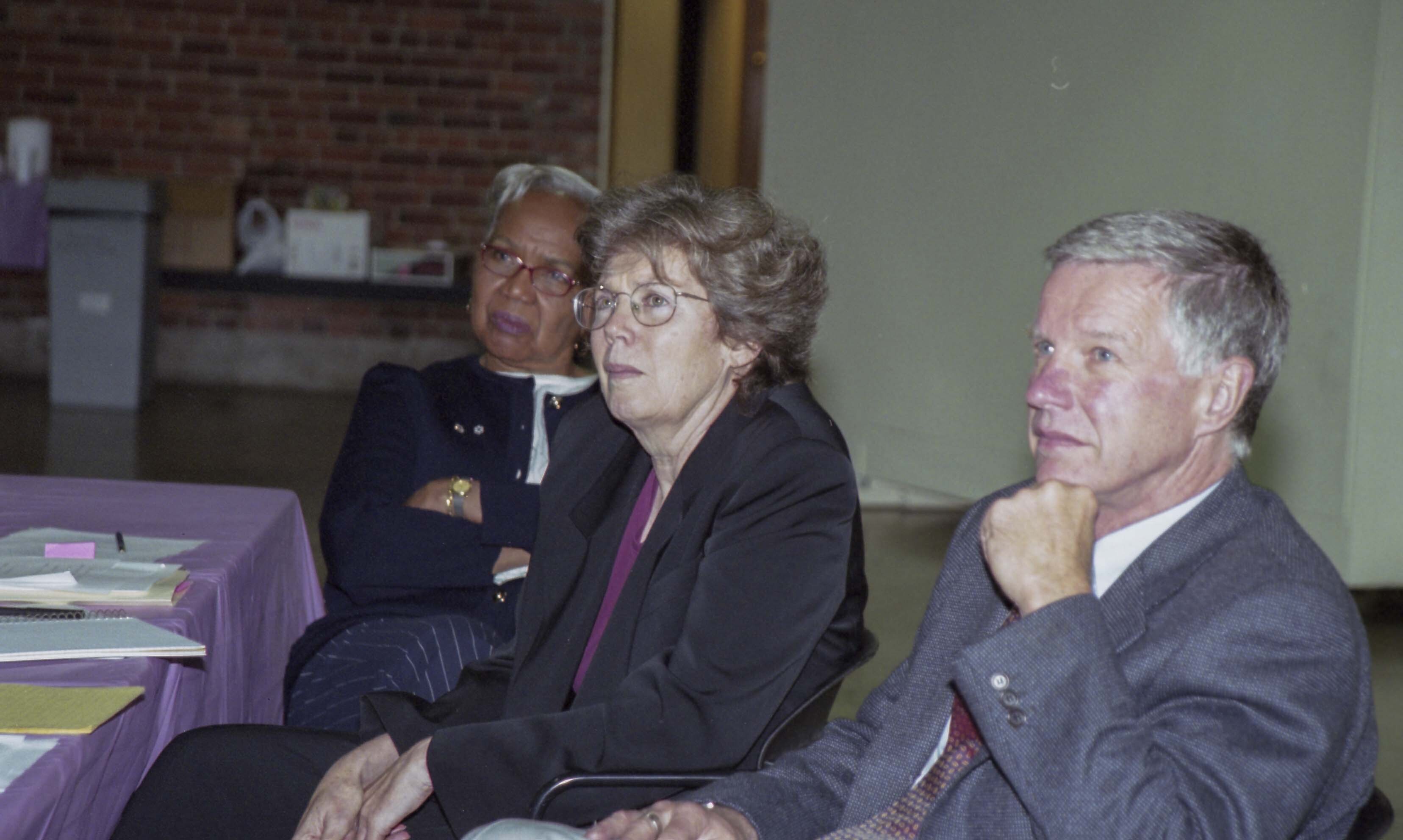
Photograph of Rosemary Brown, Bill Black, and an unidentified woman at the Community Forum on Human Rights organized by the Committee for Racial Justice and Human Rights Defenders at the Roundhouse Community Arts and Recreation Centre in Vancouver, B.C.
Born on June 17, 1930 in Kingston, Jamaica, Rosemary Brown immigrated to Canada in 1951 to earn her Bachelor of Arts in Social Work at McGill University and her Masters of Social Work at the University of British Columbia. Brown was Canada's first Black female member of a provincial legislature and the first woman to run for leadership of the federal NDP political party. She was a politician, feminist, writer, educator, lecturer, and mother who contributed significantly to B.C. and Canada, through her work with the British Columbia Association for the Advancement of Coloured People and Voice of Women.
Bill Black is a Professor Emeritus at the University of British Columbia's Peter A. Allard School of Law. After earning his J.D. from Harvard Law School, Professor Black joined the Allard School of Law in 1970 as an Assistant Professor and was promoted to Associate Professor in 1975, then Professor in 1998. His research interests lie in Human Rights Reform, Equality Rights, and Mediation and other Dispute Resolution within Human Rights Agencies.
The Roundhouse Community Arts and Recreation Centre is located in downtown Vancouver's Yaletown neighbourhood. It is home to Engine 374, a locomotive that pulled the first trans-continental passenger train across Canada and into Vancouver in 1887.
Born on June 17, 1930 in Kingston, Jamaica, Rosemary Brown immigrated to Canada in 1951 to earn her Bachelor of Arts in Social Work at McGill University and her Masters of Social Work at the University of British Columbia. Brown was Canada's first Black female member of a provincial legislature and the first woman to run for leadership of the federal NDP political party. She was a politician, feminist, writer, educator, lecturer, and mother who contributed significantly to B.C. and Canada, through her work with the British Columbia Association for the Advancement of Coloured People and Voice of Women.
Bill Black is a Professor Emeritus at the University of British Columbia's Peter A. Allard School of Law. After earning his J.D. from Harvard Law School, Professor Black joined the Allard School of Law in 1970 as an Assistant Professor and was promoted to Associate Professor in 1975, then Professor in 1998. His research interests lie in Human Rights Reform, Equality Rights, and Mediation and other Dispute Resolution within Human Rights Agencies.
The Roundhouse Community Arts and Recreation Centre is located in downtown Vancouver's Yaletown neighbourhood. It is home to Engine 374, a locomotive that pulled the first trans-continental passenger train across Canada and into Vancouver in 1887.
Member of
Creator: Bodalia, Chandra
Description
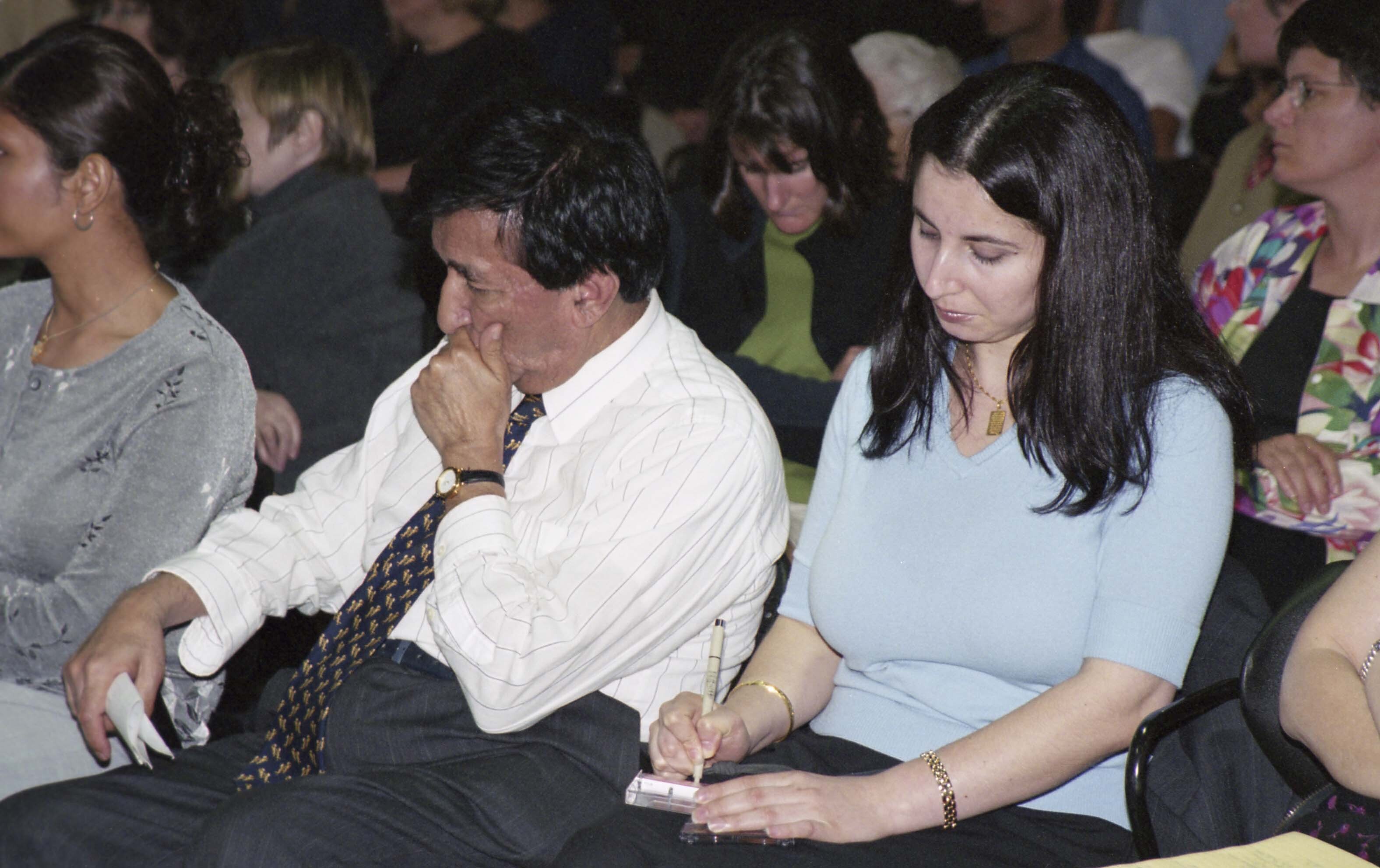
Photograph of Aziz Khaki and an audience member at the Community Forum on Human Rights organized by the Committee for Racial Justice and Human Rights Defenders at the Roundhouse Community Arts and Recreation Centre in Vancouver, B.C.
Dr. Abdulaziz 'Aziz' Khaki was an activist and leader in the Canadian Muslim community. He served as vice-president of the Canadian Muslim Federation and the Council of Muslim Communities of Canada. Dr. Khaki was a strong advocate for human rights, interfaith dialogue, and the integration of Muslim communities into Canadian society.
The Roundhouse Community Arts and Recreation Centre is located in downtown Vancouver's Yaletown neighbourhood. It is home to Engine 374, a locomotive that pulled the first trans-continental passenger train across Canada and into Vancouver in 1887.
Dr. Abdulaziz 'Aziz' Khaki was an activist and leader in the Canadian Muslim community. He served as vice-president of the Canadian Muslim Federation and the Council of Muslim Communities of Canada. Dr. Khaki was a strong advocate for human rights, interfaith dialogue, and the integration of Muslim communities into Canadian society.
The Roundhouse Community Arts and Recreation Centre is located in downtown Vancouver's Yaletown neighbourhood. It is home to Engine 374, a locomotive that pulled the first trans-continental passenger train across Canada and into Vancouver in 1887.
Member of
Creator: Bodalia, Chandra
Description
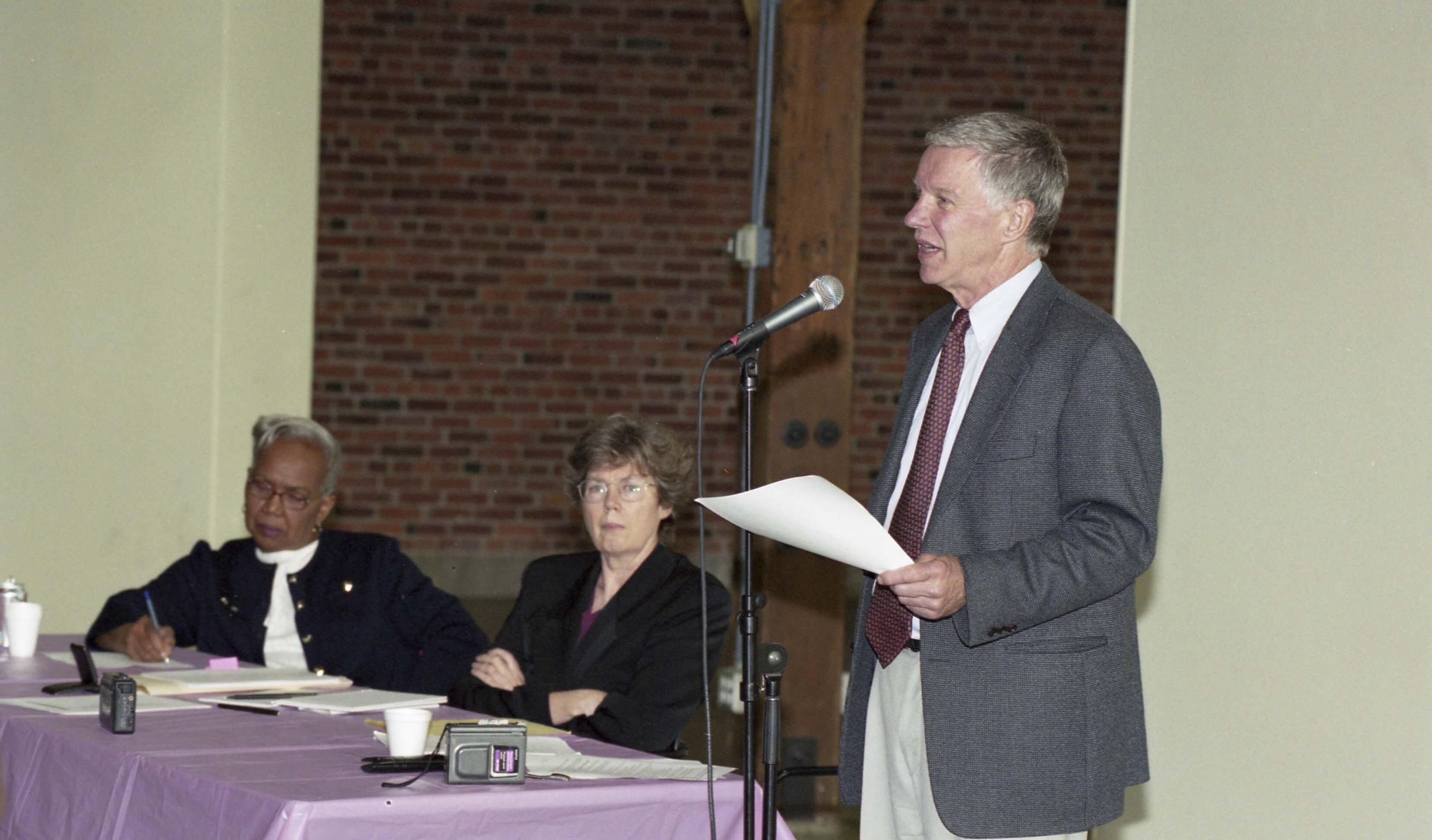
Photograph of Bill Black speaking at the Community Forum on Human Rights organized by the Committee for Racial Justice and Human Rights Defenders at the Roundhouse Community Arts and Recreation Centre in Vancouver, B.C. Rosemary Brown is seen in the background.
Bill Black is a Professor Emeritus at the University of British Columbia's Peter A. Allard School of Law. After earning his J.D. from Harvard Law School, Professor Black joined the Allard School of Law in 1970 as an Assistant Professor and was promoted to Associate Professor in 1975, then Professor in 1998. His research interests lie in Human Rights Reform, Equality Rights, and Mediation and other Dispute Resolution within Human Rights Agencies.
Born on June 17, 1930 in Kingston, Jamaica, Rosemary Brown immigrated to Canada in 1951 to earn her Bachelor of Arts in Social Work at McGill University and her Masters of Social Work at the University of British Columbia. Brown was Canada's first Black female member of a provincial legislature and the first woman to run for leadership of the federal NDP political party. She was a politician, feminist, writer, educator, lecturer, and mother who contributed significantly to B.C. and Canada, through her work with the British Columbia Association for the Advancement of Coloured People and Voice of Women.
The Roundhouse Community Arts and Recreation Centre is located in downtown Vancouver's Yaletown neighbourhood. It is home to Engine 374, a locomotive that pulled the first trans-continental passenger train across Canada and into Vancouver in 1887.
Bill Black is a Professor Emeritus at the University of British Columbia's Peter A. Allard School of Law. After earning his J.D. from Harvard Law School, Professor Black joined the Allard School of Law in 1970 as an Assistant Professor and was promoted to Associate Professor in 1975, then Professor in 1998. His research interests lie in Human Rights Reform, Equality Rights, and Mediation and other Dispute Resolution within Human Rights Agencies.
Born on June 17, 1930 in Kingston, Jamaica, Rosemary Brown immigrated to Canada in 1951 to earn her Bachelor of Arts in Social Work at McGill University and her Masters of Social Work at the University of British Columbia. Brown was Canada's first Black female member of a provincial legislature and the first woman to run for leadership of the federal NDP political party. She was a politician, feminist, writer, educator, lecturer, and mother who contributed significantly to B.C. and Canada, through her work with the British Columbia Association for the Advancement of Coloured People and Voice of Women.
The Roundhouse Community Arts and Recreation Centre is located in downtown Vancouver's Yaletown neighbourhood. It is home to Engine 374, a locomotive that pulled the first trans-continental passenger train across Canada and into Vancouver in 1887.
Member of
Creator: Bodalia, Chandra
Description
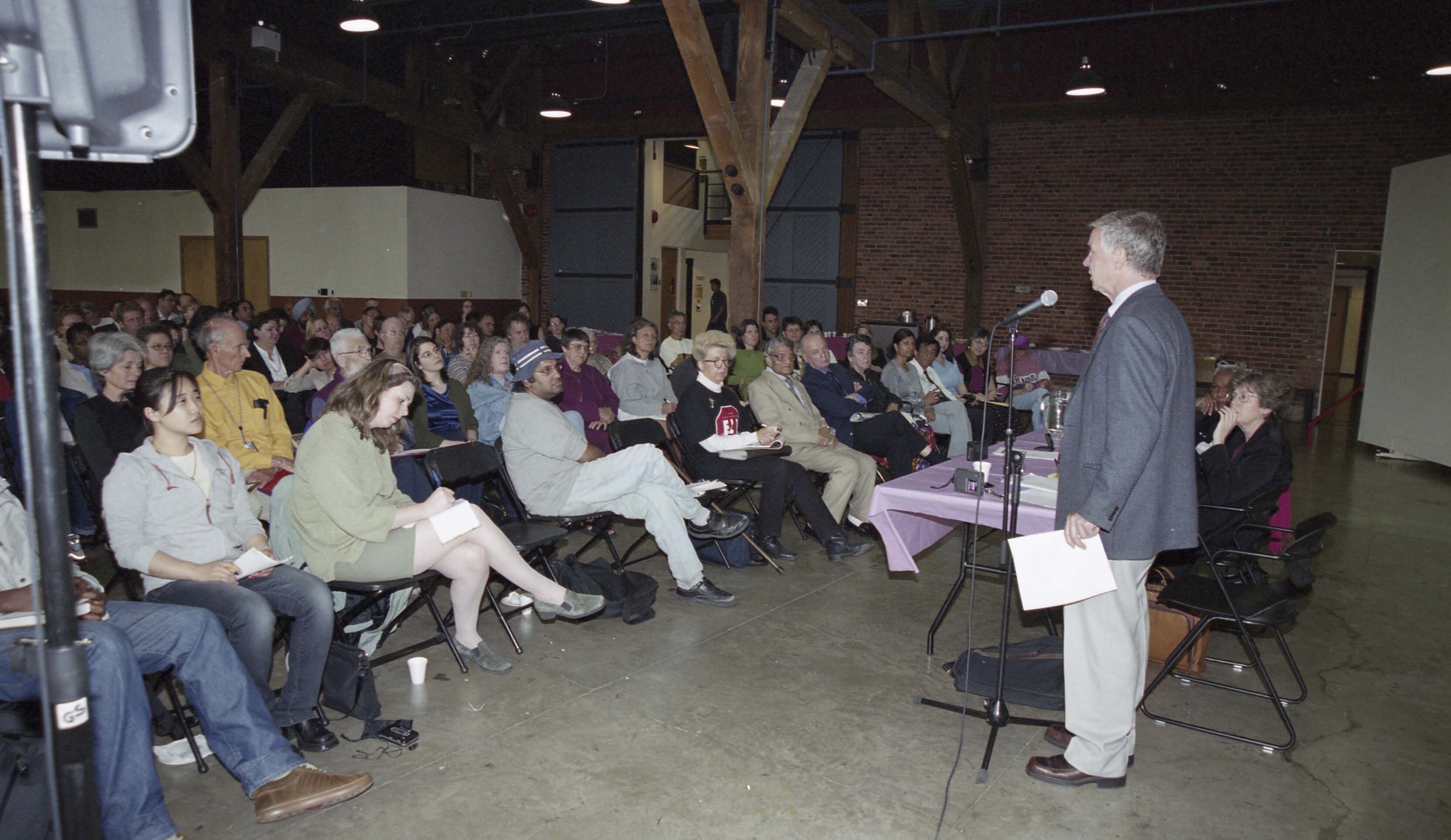
Photograph of an Bill Black speaking to a crowd at the Community Forum on Human Rights organized by the Committee for Racial Justice and Human Rights Defenders at the Roundhouse Community Arts and Recreation Centre in Vancouver, B.C.
Bill Black is a Professor Emeritus at the University of British Columbia's Peter A. Allard School of Law. After earning his J.D. from Harvard Law School, Professor Black joined the Allard School of Law in 1970 as an Assistant Professor and was promoted to Associate Professor in 1975, then Professor in 1998. His research interests lie in Human Rights Reform, Equality Rights, and Mediation and other Dispute Resolution within Human Rights Agencies.
The Roundhouse Community Arts and Recreation Centre is located in downtown Vancouver's Yaletown neighbourhood. It is home to Engine 374, a locomotive that pulled the first trans-continental passenger train across Canada and into Vancouver in 1887.
Bill Black is a Professor Emeritus at the University of British Columbia's Peter A. Allard School of Law. After earning his J.D. from Harvard Law School, Professor Black joined the Allard School of Law in 1970 as an Assistant Professor and was promoted to Associate Professor in 1975, then Professor in 1998. His research interests lie in Human Rights Reform, Equality Rights, and Mediation and other Dispute Resolution within Human Rights Agencies.
The Roundhouse Community Arts and Recreation Centre is located in downtown Vancouver's Yaletown neighbourhood. It is home to Engine 374, a locomotive that pulled the first trans-continental passenger train across Canada and into Vancouver in 1887.
Member of
Creator: Bodalia, Chandra
Description
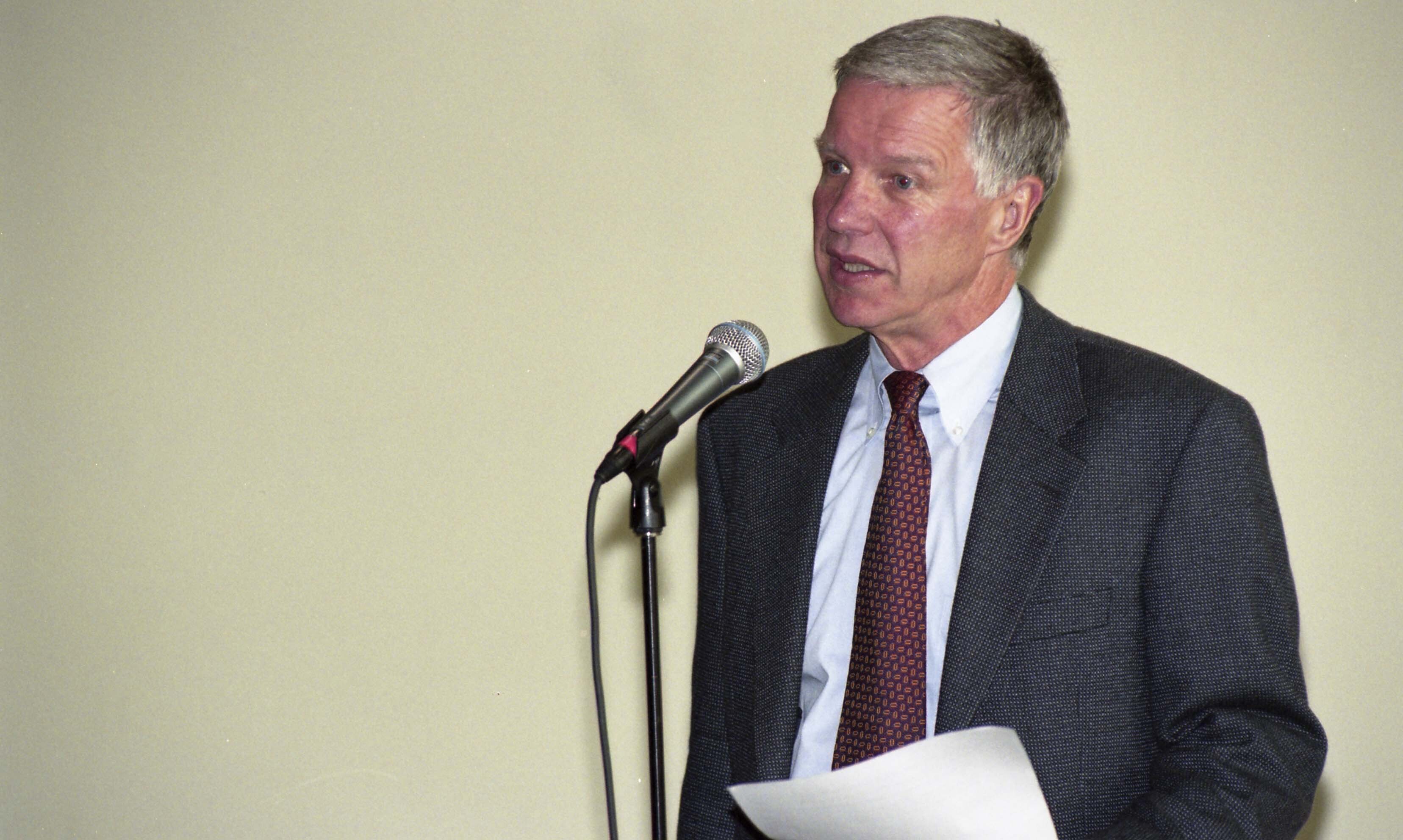
Photograph of Bill Black speaking at the Community Forum on Human Rights organized by the Committee for Racial Justice and Human Rights Defenders at the Roundhouse Community Arts and Recreation Centre in Vancouver, B.C.
Bill Black is a Professor Emeritus at the University of British Columbia's Peter A. Allard School of Law. After earning his J.D. from Harvard Law School, Professor Black joined the Allard School of Law in 1970 as an Assistant Professor and was promoted to Associate Professor in 1975, then Professor in 1998. His research interests lie in Human Rights Reform, Equality Rights, and Mediation and other Dispute Resolution within Human Rights Agencies.
The Roundhouse Community Arts and Recreation Centre is located in downtown Vancouver's Yaletown neighbourhood. It is home to Engine 374, a locomotive that pulled the first trans-continental passenger train across Canada and into Vancouver in 1887.
Bill Black is a Professor Emeritus at the University of British Columbia's Peter A. Allard School of Law. After earning his J.D. from Harvard Law School, Professor Black joined the Allard School of Law in 1970 as an Assistant Professor and was promoted to Associate Professor in 1975, then Professor in 1998. His research interests lie in Human Rights Reform, Equality Rights, and Mediation and other Dispute Resolution within Human Rights Agencies.
The Roundhouse Community Arts and Recreation Centre is located in downtown Vancouver's Yaletown neighbourhood. It is home to Engine 374, a locomotive that pulled the first trans-continental passenger train across Canada and into Vancouver in 1887.
Member of
Creator: Bodalia, Chandra
Description
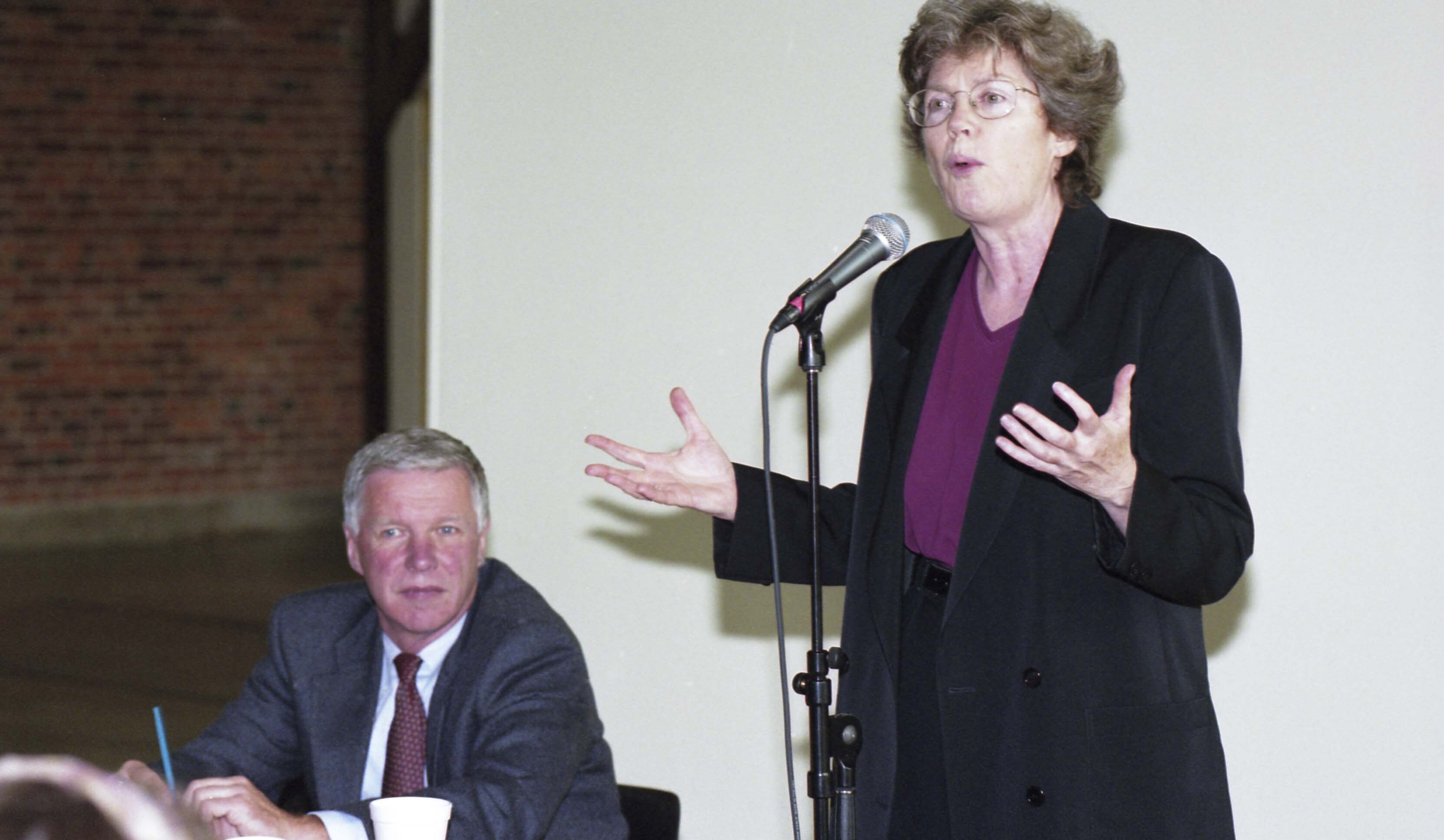
Photograph of unidentified woman speaking at the Community Forum on Human Rights organized by the Committee for Racial Justice and Human Rights Defenders at the Roundhouse Community Arts and Recreation Centre in Vancouver, B.C.
The Roundhouse Community Arts and Recreation Centre is located in downtown Vancouver's Yaletown neighbourhood. It is home to Engine 374, a locomotive that pulled the first trans-continental passenger train across Canada and into Vancouver in 1887.
The Roundhouse Community Arts and Recreation Centre is located in downtown Vancouver's Yaletown neighbourhood. It is home to Engine 374, a locomotive that pulled the first trans-continental passenger train across Canada and into Vancouver in 1887.
Creator: Bodalia, Chandra
Description
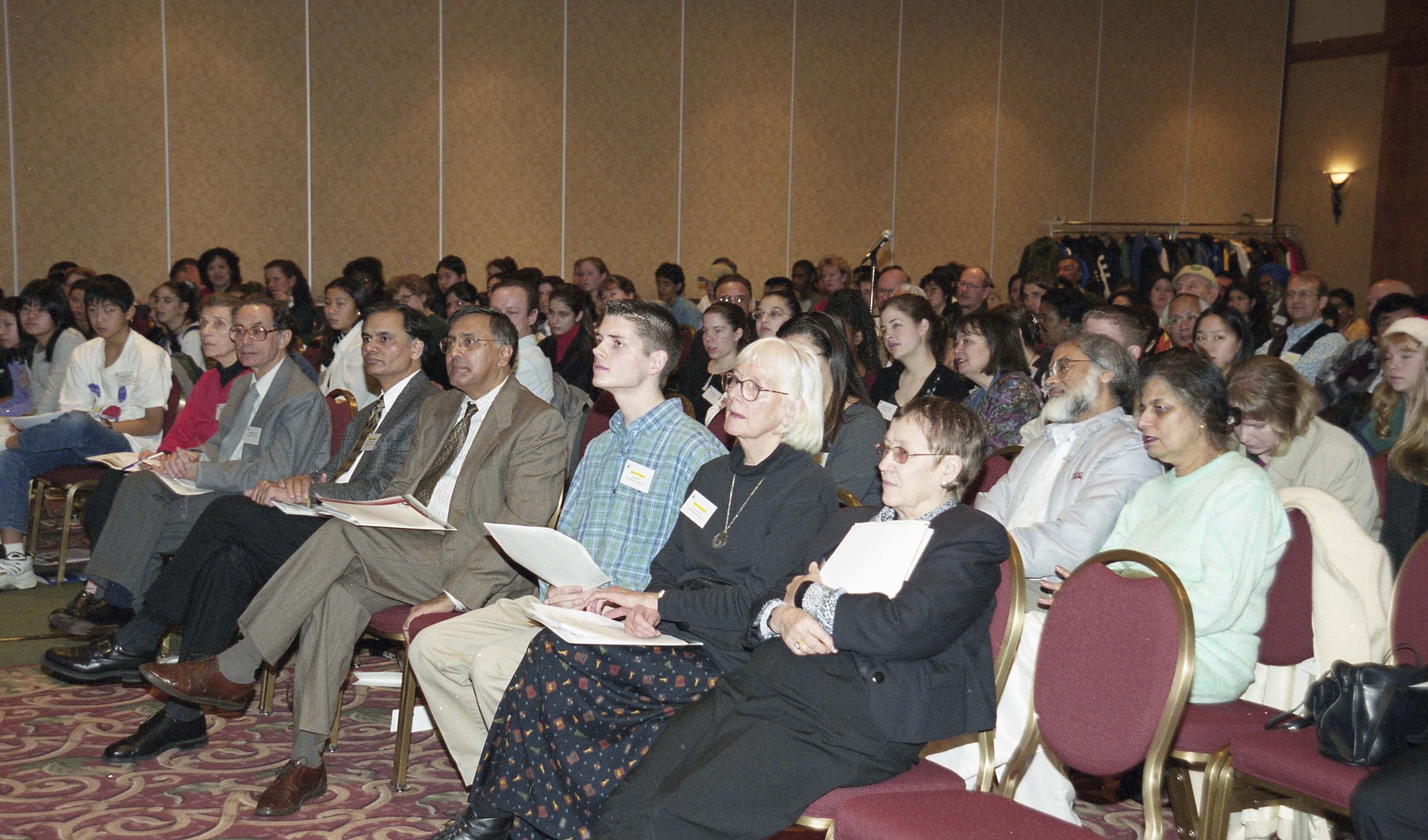
Photograph of a group of unidentified individuals at the Learning Together event in Vancouver, British Columbia (B.C.). The event was hosted at the Hilton Hotel by the B.C. Human Rights Commission. Ujjal Dosanjh can be seen sitting among the audience.
Ujjal Dosanjh is a Canadian lawyer, civil rights activist, and politician. Born in Panjab, India in 1947, Dosanjh emigrated to England at the age of 17 and came to Canada four years later, in 1968. He started off at a Vancouver sawmill, but when a back injury hindered his career at the mill, he enrolled at Langara College and completed a degree in political science at Simon Fraser University. He earned a law degree at the University of British Columbia and established a law practice in Vancouver in 1979. First elected as MLA for Vancouver-Kensington in 1991, Dosanjh twice served as Caucus Chair and also chaired the Select Standing Committee on Parliamentary Reform, Ethical Conduct, Standing Orders and Private Bills. Dosanjh was sworn in as British Columbia's 33rd Premier and Canada's first Indo-Canadian Premier on February 24, 2000, serving until 2001. He had previously served as Minister of Government Services and Minister Responsible for Multiculturalism, Human Rights, Sports and Immigration in 1995, and served as Attorney General from August 1995 to February 2000. He was also the leader of the provincial New Democratic Party (NDP) and later served as a Member of Parliament with the Liberal Party. A long time human rights activist, his past community involvements include: South Vancouver Neighbourhood House, MOSAIC, the B.C. Multicultural Society and the B.C. Civil Liberties Association. In 1977 he helped set up the first farm workers' legal information services while he was chair of the Labour Advocacy Research Association. Throughout his career, Dosanjh has been a strong advocate for social justice, healthcare, and public policy issues.
On August 4, 2017 Premier John Horgan along with Attorney General David Eby announced that British Columbia (B.C.) will re-establish the B.C. Human Rights Commission to address inequality and discrimination. In 2018, changes to B.C.'s Human Rights Code established the Office of the Human Rights Commissioner as an independent office of the Legislature and the Commissioner as the first independent Human Rights Commissioner in B.C.'s history. Under the Code, the Commissioner is responsible for promoting and protecting human rights in British Columbia. BC's Office of the Human Rights Commissioner exists to address the root causes of inequality, discrimination, and injustice in B.C. by shifting laws, policies, practices and cultures. They do this work through education, research, advocacy, inquiry and monitoring.
Ujjal Dosanjh is a Canadian lawyer, civil rights activist, and politician. Born in Panjab, India in 1947, Dosanjh emigrated to England at the age of 17 and came to Canada four years later, in 1968. He started off at a Vancouver sawmill, but when a back injury hindered his career at the mill, he enrolled at Langara College and completed a degree in political science at Simon Fraser University. He earned a law degree at the University of British Columbia and established a law practice in Vancouver in 1979. First elected as MLA for Vancouver-Kensington in 1991, Dosanjh twice served as Caucus Chair and also chaired the Select Standing Committee on Parliamentary Reform, Ethical Conduct, Standing Orders and Private Bills. Dosanjh was sworn in as British Columbia's 33rd Premier and Canada's first Indo-Canadian Premier on February 24, 2000, serving until 2001. He had previously served as Minister of Government Services and Minister Responsible for Multiculturalism, Human Rights, Sports and Immigration in 1995, and served as Attorney General from August 1995 to February 2000. He was also the leader of the provincial New Democratic Party (NDP) and later served as a Member of Parliament with the Liberal Party. A long time human rights activist, his past community involvements include: South Vancouver Neighbourhood House, MOSAIC, the B.C. Multicultural Society and the B.C. Civil Liberties Association. In 1977 he helped set up the first farm workers' legal information services while he was chair of the Labour Advocacy Research Association. Throughout his career, Dosanjh has been a strong advocate for social justice, healthcare, and public policy issues.
On August 4, 2017 Premier John Horgan along with Attorney General David Eby announced that British Columbia (B.C.) will re-establish the B.C. Human Rights Commission to address inequality and discrimination. In 2018, changes to B.C.'s Human Rights Code established the Office of the Human Rights Commissioner as an independent office of the Legislature and the Commissioner as the first independent Human Rights Commissioner in B.C.'s history. Under the Code, the Commissioner is responsible for promoting and protecting human rights in British Columbia. BC's Office of the Human Rights Commissioner exists to address the root causes of inequality, discrimination, and injustice in B.C. by shifting laws, policies, practices and cultures. They do this work through education, research, advocacy, inquiry and monitoring.
Creator: Bodalia, Chandra
Description
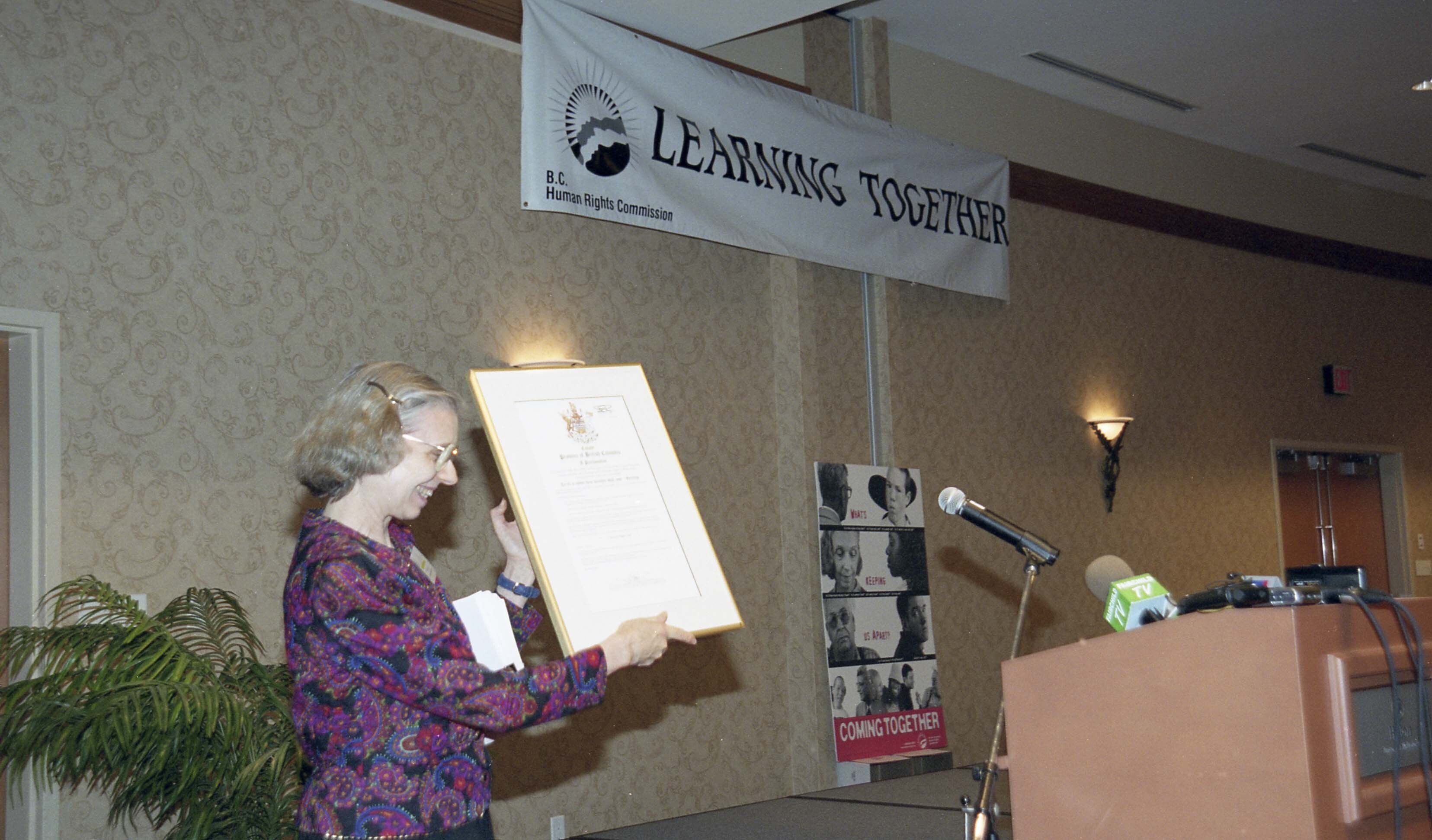
Photograph of an unidentified individual holding a framed document[?] at the Learning Together event in Vancouver, British Columbia (B.C.). The event was hosted at the Hilton Hotel by the B.C. Human Rights Commission.
On August 4, 2017 Premier John Horgan along with Attorney General David Eby announced that British Columbia (B.C.) will re-establish the B.C. Human Rights Commission to address inequality and discrimination. In 2018, changes to B.C.'s Human Rights Code established the Office of the Human Rights Commissioner as an independent office of the Legislature and the Commissioner as the first independent Human Rights Commissioner in B.C.'s history. Under the Code, the Commissioner is responsible for promoting and protecting human rights in British Columbia. BC's Office of the Human Rights Commissioner exists to address the root causes of inequality, discrimination, and injustice in B.C. by shifting laws, policies, practices and cultures. They do this work through education, research, advocacy, inquiry and monitoring.
On August 4, 2017 Premier John Horgan along with Attorney General David Eby announced that British Columbia (B.C.) will re-establish the B.C. Human Rights Commission to address inequality and discrimination. In 2018, changes to B.C.'s Human Rights Code established the Office of the Human Rights Commissioner as an independent office of the Legislature and the Commissioner as the first independent Human Rights Commissioner in B.C.'s history. Under the Code, the Commissioner is responsible for promoting and protecting human rights in British Columbia. BC's Office of the Human Rights Commissioner exists to address the root causes of inequality, discrimination, and injustice in B.C. by shifting laws, policies, practices and cultures. They do this work through education, research, advocacy, inquiry and monitoring.